




ACT offers new a/c skirt condensers
Bus air-conditioning supplier American Cooling Technology's new condensers provide a universal mounting pattern that provides flexibility to select the best bolt pattern for the specific vehicle. In other news, the company names Jason Verdier to a new position of parts sales and distribution manager.

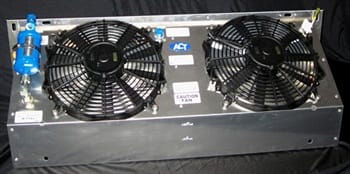
ACT's new condensers provide a universal mounting pattern for flexibility. Pictured is the CS-2.
YORK, Pa. — American Cooling Technology (ACT) has unveiled its new family of skirt-mount condensers, set for full production beginning March 1.
The new universal-mount CS-2, CS-32 and CS-3 provide a universal mounting pattern that gives the air-conditioning installer and service technician flexibility to select the best bolt pattern for the specific vehicle.
The universal condenser expands ACT’s existing North American product line that includes a full range of split-system and roof-mounted air-conditioning units for school and shuttle buses.
ACT officials said that based on market feedback from customers who participated in field trials, the company made the new condensers easier to install than other skirt-mount condensers. The new condensers are available in both 12 volts and 24 volts and can be supplied in capacities from 60,000 Btu/hr to 82,000 Btu/hr.
Because the skirt-mount condensers have a universal mounting pattern, the a/c installer can select from either the side-by-side or front-and-rear mounting bolt pattern. Also, the service technician can replace any model of skirt condenser using ACT's universal mount.
"This flexibility translates to less downtime, which is critical for bus fleets operating on tight budgets," company officials said in an announcement.

Jason Verdier has been named parts sales and distribution manager for ACT.
ACT’s universal-mount condensers can be matched with other ACT components to provide a complete HVAC system that meets various vehicle sizes, duty cycles and geographic locations.
In other news, ACT named Jason Verdier to a new position of parts sales and distribution manager, effective mid-January.
Verdier has more than 20 years of experience in the North American bus air-conditioning business and "brings a new vision to supporting ACT parts customers," company officials said.
More on air-conditioning systems:
More Maintenance
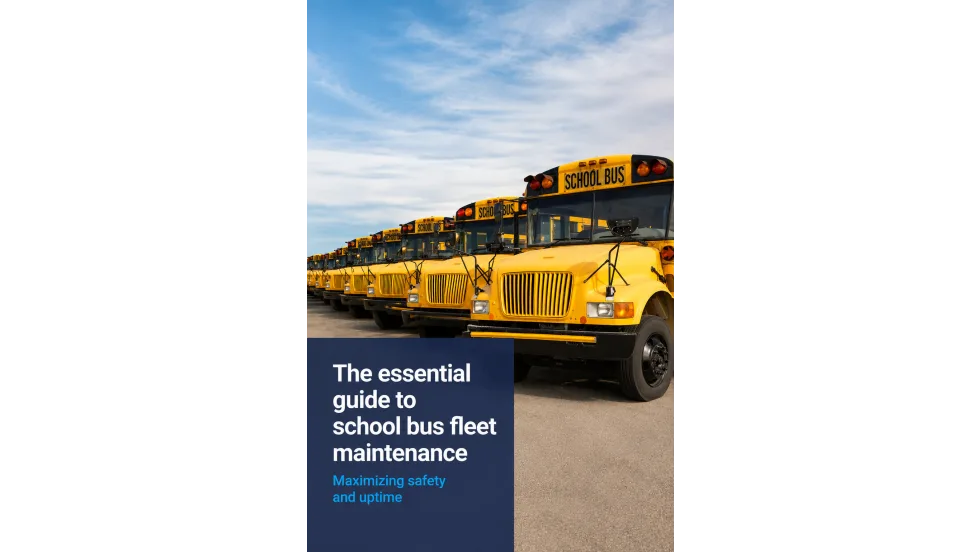
The essential guide to school bus maintenance and student safety
Reactive maintenance puts students at risk of breakdowns, delays and roadside emergencies. This guide gives transportation directors a data-driven framework to predict failures, extend bus lifespans and improve fleet reliability across every route.
Read More →
The Evolution of DEF Header Technology: What School Bus Operations Should Know at Replacement Time
See what school bus fleets should consider when replacing DEF headers to improve reliability, reduce repeat repairs, and control maintenance costs.
Read More →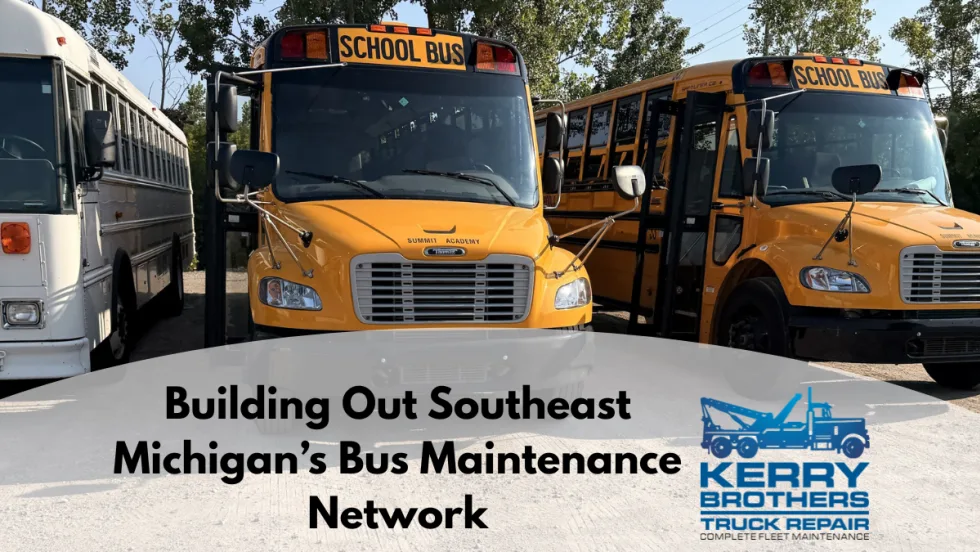
Kerry Brothers Grows Michigan School Bus Repair Network
The acquisition of Downriver Truck and Bus expands Kerry Brothers’ school bus maintenance footprint across southeast Michigan, adding repair capacity, diagnostic resources, and state inspection support.
Read More →
Noregon Introduces CAN Bus Diagnostic Tool, Expands JPRO Features
CAN Mentor and the latest JPRO update aim to simplify vehicle network diagnostics and improve repair efficiency for technicians of all experience levels.
Read More →
Cummins on Smarter, Simpler Engine Innovation
Cummins discusses its first-ever gasoline engine for school buses, EPA 2027, and why bus fleets still want durable, simpler internal combustion options.
Read More →
Report: 72% of Diesel School Buses Now Use Advanced Low-Emission Engines
New data shows advanced low-emission diesel technology continues expanding across school bus fleets, even as electric bus adoption gains momentum.
Read More →
Vampire Tools' CAIMAN 7.5-Inch Multi-Purpose Screw Extractor Long-Nose Pliers with Crimper
Vampire Tools introduced the VAMPLIERS Caiman 7.5-inch multi-purpose pliers, combining screw extraction, cutting, crimping, and gripping functions into a single tool designed for fleet maintenance professionals.
Read More →
How Advanced Diagnostics Helps Bus Fleets Stay Ahead of Repairs
Chat with Noregon’s Kevin Smallhorn at ACT Expo about bus diagnostic tools, telematics integration, CNG maintenance support, and strategies to help reduce downtime and improve uptime.
Read More →
How School Bus Fleets are Getting Ahead of Breakdowns
Don’t let bus downtime wear you down. Here’s how bus operators are shifting from manual processes to AI-powered, data-driven maintenance systems for improved reliability and safety.
Read More →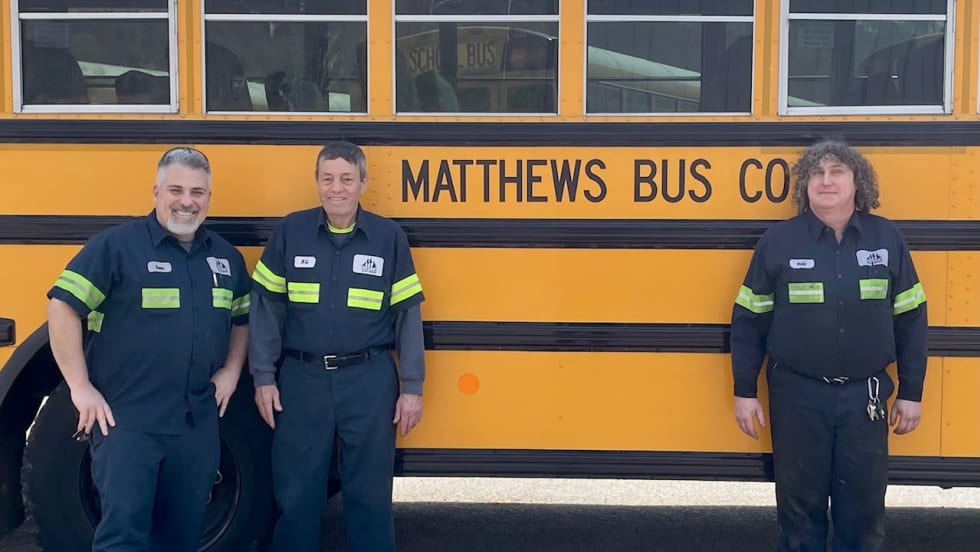
Pennsylvania School Bus Maintenance Team Praised for Dedication to Safety
Matthews Bus Company’s West Jefferson received a letter of commendation from the Pennsylvania State Police for their fleet inspections.
Read More →