




Education Firm Examines School Transportation Challenges, Opportunities
New research from Bellwether Education Partners analyzes challenges that districts and contractors face and pinpoints opportunities for improving service and cutting costs.

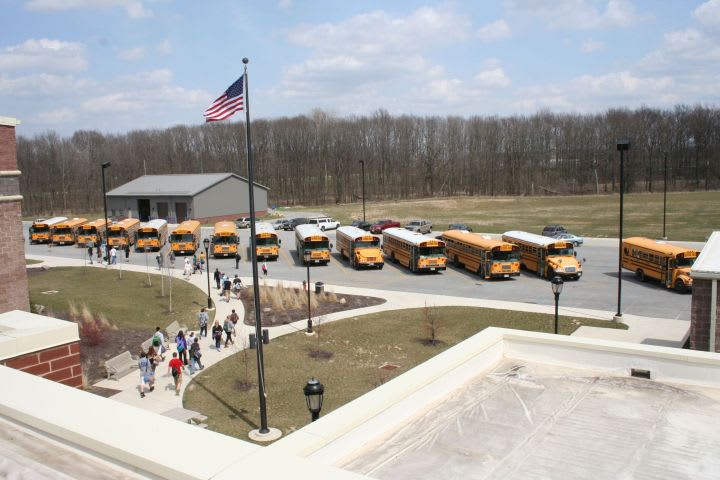
New research from Bellwether Education Partners analyzes challenges that districts and contractors face and pinpoints opportunities for improving service and cutting costs. File photo courtesy St. Mary's (Ohio) City Schools
New research from Bellwether Education Partners analyzes challenges that districts and contractors face and pinpoints opportunities for improving service and cutting costs. File photo courtesy St. Mary's (Ohio) City Schools
WASHINGTON, D.C. — New research from an education advisory firm evaluates the challenges involved in providing school transportation and pinpoints opportunities for improving service and cutting costs.
A slide deck report from Bellwether Education Partners, “The Challenges and Opportunities in School Transportation Today,” examines the scope and importance of the school transportation sector, analyzes the challenges that districts and contractors face when providing transportation services, highlights the critical decisions system leaders must make in allocating limited resources, and identifies opportunities for improving service and reducing costs.
The research focuses on six key challenges facing the school transportation sector:
• Regulatory landscape: The intersection of federal and state laws related to school transportation means that districts and contractors often operate in complex regulatory environments.
• Funding: State funding for school transportation is subject to legislative appropriations and has often been stagnant, requiring districts to offset costs by reducing service, delaying upgrades, or other means.
• School choice: With the growth of school choice options and complex enrollment patterns, more students are crossing town to get to and from school, which places new demands on traditional transportation models built around neighborhood schools.
• Data use: School transportation systems typically have access to less and lower-quality data than other transportation sectors, reducing their ability to provide service that is efficient and responsive.
• Safety: School buses are the safest mode of student transportation, but safety agencies and advocates believe they should include seat belts, and students may face other risks related to traffic and personal safety.
• Environmental impact: Diesel exhaust has negative effects on the environment and children’s health, but districts are often slow to replace older buses and make technological upgrades that could mitigate harm.
Despite these challenges, there are a number of opportunities to improve and innovate in school transportation, according to Bellwether’s research.
The firm recommends that states and districts invest in the tools and technology needed to make informed decisions about school transportation systems. States should provide adequate funding for school transportation services and prioritize capital investments — such as new buses and other infrastructure — that can lead to substantial long-term savings. Additionally, districts should consider innovative ways to collaborate on providing school transportation services, including partnerships among districts or improved coordination across sectors, according to Bellwether.
Bellwether also plans to release three policy briefs on Aug. 27 to supplement key components of the slide deck: one will cover school transportation and student safety; a second one will examine school transportation and environmental impact; and a third will review the intersection of school transportation, school integration, and school choice.
The new slide deck and Bellwether’s 2017 report, “Miles to Go: Bringing School Transportation Into the 21st Century,” are designed to serve as a fact base for policymakers, industry leaders, and others who want to improve their understanding of the school transportation sector.
More Management
How to Build a Better Driver Training Program
Ready to boost up your school bus instructor training? Here’s how to pick the right talent and improve recruitment, retention, and safety.
Read More →
CALSTART and Forth Combine to Form Catalyst Mobility
The new name represents a renewed vision for the nonprofit focused on advancing clean, equitable, and affordable transportation solutions that move people and goods.
Read More →
What Makes a Great School Bus Driver Trainer?
Choosing the right school bus driver trainer takes more than experience. Learn six keys to selecting and developing trainers and evaluating program effectiveness.
Read More →


School Bus Contractors Expand Through New Deals, Acquisitions & Partnerships
STA's Canadian division acquires Ontario-based G&L Stevenson Transport while Durham School Services adds a new district contract in California, First Student adds a New Jersey contract, and Minnesota Coaches acquires Halo Transportation.
Read More →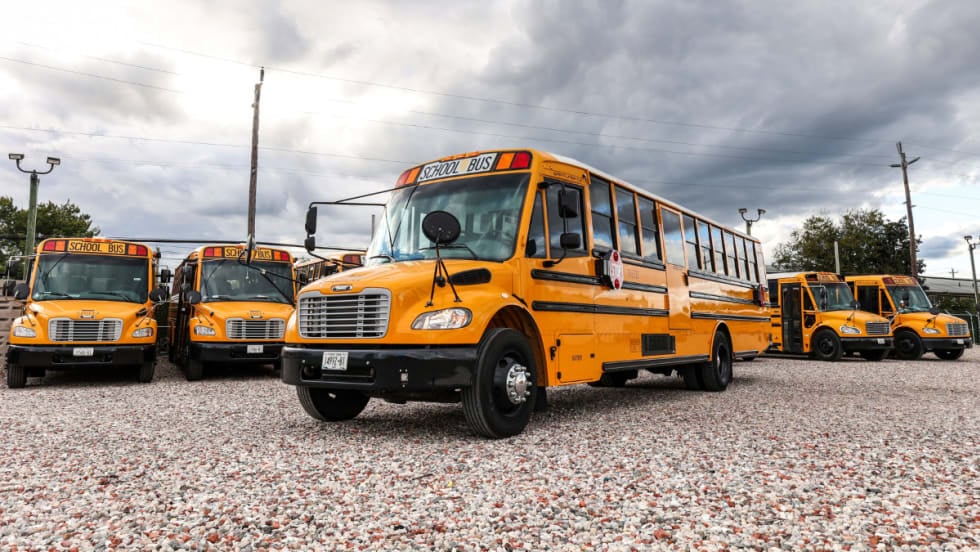
Logan Bus Company Rolls Out AI Phone System for NYC School Bus Families
A summer pilot found that AI agents could handle most routine calls, freeing up time for customer service staff to focus on emergencies and complex family concerns.
Read More →
From Intent to Impact: What I Learned About Leadership from TAPT
A Texas transportation supervisor shares lessons on self-awareness, accountability, managing stress and building trust — and why investing in leadership development matters at every stage of your career.
Read More →
NAPT Names 2026 Award Recipients, Hall of Fame Inductee
Who earned national recognition for their work in student transportation? This year, NAPT named five recipients of its 2026 awards for service, safety, and leadership, plus its newest Hall of Famer.
Read More →
2026 State of Student Transportation Report
Driver shortages. Rising costs. Growing safety expectations. More data, but not enough time to act on it. The 2026 State of Student Transportation Report reveals what transportation leaders say is putting the most pressure on their operations—and where they’re investing next. See how your priorities compare.
Read More →
How to De-Escalate an Angry Person: 5 Steps for Handling Workplace Conflict
What makes emotions run high, and how should you handle an angry colleague or parent? Follow these steps for staying calm, listening, showing empathy, and resolving conflict.
Read More →
What Readiness Looks Like This School Year
Learn about the challenges shaping the 2026–2027 school year, from persistent driver shortages and budget pressure to technology and readiness gaps. See how school districts are responding and adapting in Zonar’s 2026 Back-to-School Readiness Report.
Read More →