




Indiana Attorney General OKs Extended Stop Arms on School Buses
Attorney General Curtis Hill Jr. releases an opinion that states that regulations do not place a limit on the length of school bus stop arms. He adds that motorists who pass a bus with its stop arm out are liable for resulting damages or injuries.

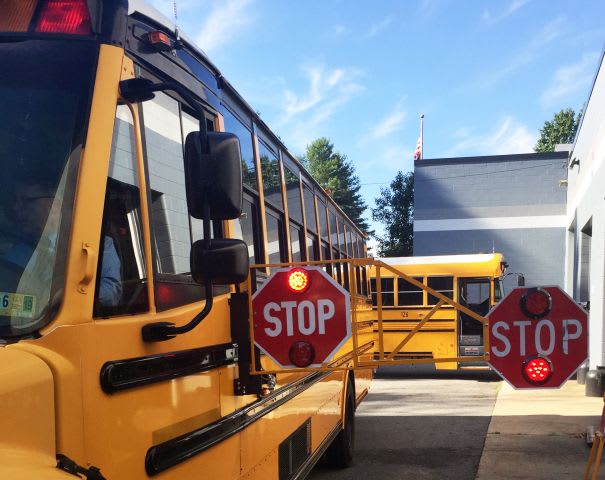
The Indiana attorney general released an opinion that states that regulations do not place a limit on the length of school bus stop arms. Shown here is an extended stop arm that was used in a pilot at a Virginia district in 2018. Photo courtesy Albemarle County (Va.) Public Schools
The Indiana attorney general released an opinion that states that regulations do not place a limit on the length of school bus stop arms. Shown here is an extended stop arm that was used in a pilot at a Virginia district in 2018. Photo courtesy Albemarle County (Va.) Public Schools
INDIANAPOLIS — The state attorney general recently released an opinion stating that the board that establishes school bus safety standards can allow the use of extended stop arms and that liability lies with motorists who pass them.
In the opinion, released on June 27 and obtained by The Times of Northwest Indiana, Attorney General Curtis Hill Jr. writes that although state and federal regulations outline specifications for school bus stop arms, they do not place a limit on their length. (Hill defines the length of extended stop arms in the opinion as being “anywhere from 4.5 to 6.5 feet from the bus.”)
Hill also stated in the opinion that because Indiana law prohibits motorists from passing a school bus when its stop arm is extended, any motorist who passes a bus in this case would be liable for any property damage or personal injury that occurred as a result. (The opinion does not hold the same weight as law, but is generally respected by courts, according to the newspaper.)
Hill’s opinion on liability issues around deploying extended stop arms was requested by Michael Mentzel, chairman of the Indiana State School Bus Committee, and Michael LaRocco, the director of transportation at the Indiana Department of Education and the Indiana state director for National Association of State Directors of Pupil Transportation Services.
Extended stop arms, which are “gaining interest in Indiana,” according to Hill’s opinion, are in use in other states, including West Virginia, Virginia, North Carolina, and Texas.
Receiving the state attorney general's opinion is part of the rulemaking process for the Indiana State School Bus Committee, Adam Baker, press secretary for the Indiana Department of Education, told School Bus Fleet.
Baker added that several schools in the state are "interested in knowing more" about adding extended stop arms to their buses, and are waiting for the rulemaking process to conclude. That could take up to a year.
"During that time, we will explore and discuss all avenues from implementation through use," Baker said.
To read the full opinion, go here.
More Safety

How to Build a Better School Bus Driver Training Program
Is it time to strengthen your driver training? Here’s how to pick the right talent and improve recruitment, retention, and safety. This video is brought to you by IC Bus.
Read More →
Recent School Bus Accidents Leave 2 Dead, 2 Injured
Four school bus crashes in Florida, Illinois, and Georgia highlight risks in transportation lots, at bus stops, and during student loading and unloading.
Read More →
When Every Second Matters, Clarity Keeps Routes Moving
From routine delays to urgent incidents, strong communication practices help drivers, dispatchers, schools, and families respond with confidence.
Read More →

What Happens When a School Bus Catches Fire — and What Can Help
School bus fires are rare but can be devastating. Learn how advances in fire suppression and asset protection help fleets detect fires earlier, reduce damage, and improve safety.
Read More →
Geotab Launches Tool to Help Fleets Investigate Road Incidents
Geotab Investigations combines telematics data, video, documents, and other evidence to help fleets reconstruct incidents, resolve claims, and determine what happened.
Read More →
Texas Sixth Grader Wins 2026 National School Bus Safety Poster Contest
Sai Darshana Yekolu of Moseley Middle School in Prosper, Texas, was named the newest winner for her artwork, bringing the theme of “Safe Rides, Everyday Heroes” to life.
Read More →
Doing More With Less: How Transportation Directors Can Prioritize Safety Amid Budget Uncertainty
With diesel prices soaring and nearly one-third of transportation directors expecting budget cuts, maintaining student safety has never been more challenging. Download this guide to learn how leading districts are prioritizing risk, funding critical safety technology, and building stronger budget cases with data.
Read More →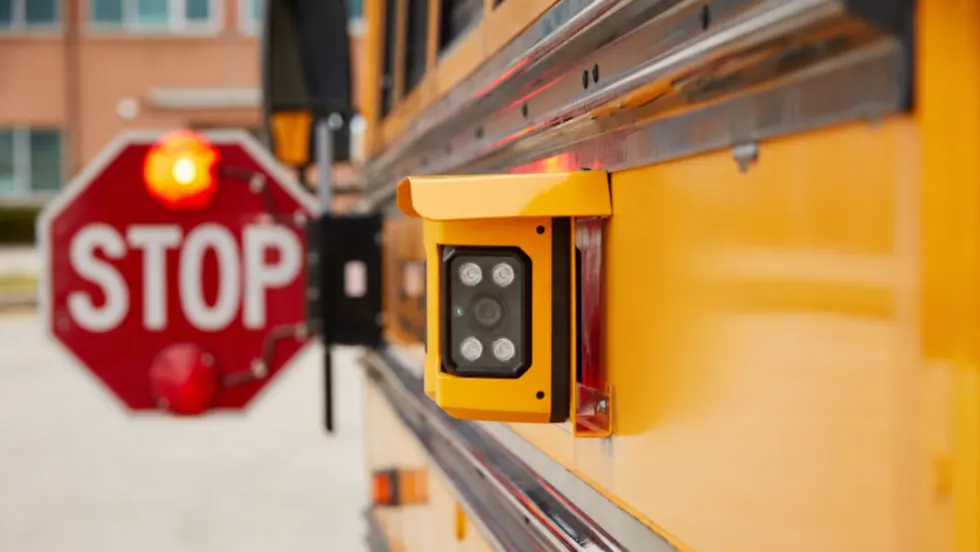
Walton County Schools Adds Gatekeeper Stop-Arm Enforcement System
The Florida district will deploy Gatekeeper’s updated Student Protector technology, which now incorporates AI to improve video evidence.
Read More →
How To Build a More Secure School Bus Yard During and After Hours
As thefts and overnight security threats continue, school transportation leaders are combining stronger operational practices with AI-enabled surveillance to better protect buses, facilities, and staff.
Read More →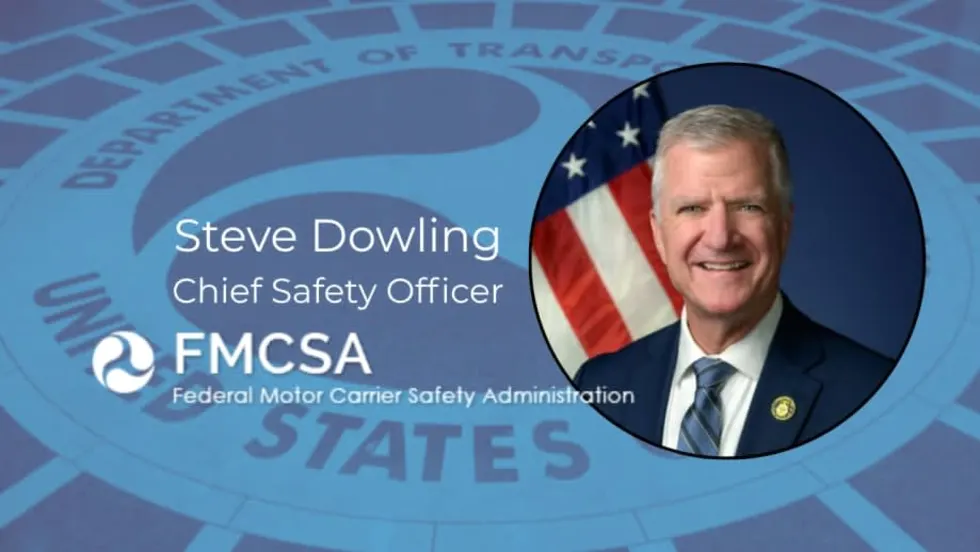
FMCSA Names New Chief Safety Officer: What School Bus Operators Should Know
Steve Dowling is set to lead the federal agency's efforts to advance commercial motor vehicle safety and reduce crashes, fatalities, and injuries on the nation's roadways.
Read More →