



California Announces Electric School Bus Funds for Rural Districts
The Rural School Bus Pilot Project is delivering dozens of electric school buses to rural districts as part of a disbursement of more than $1.2 billion for more alternative-fuel vehicles in the state.

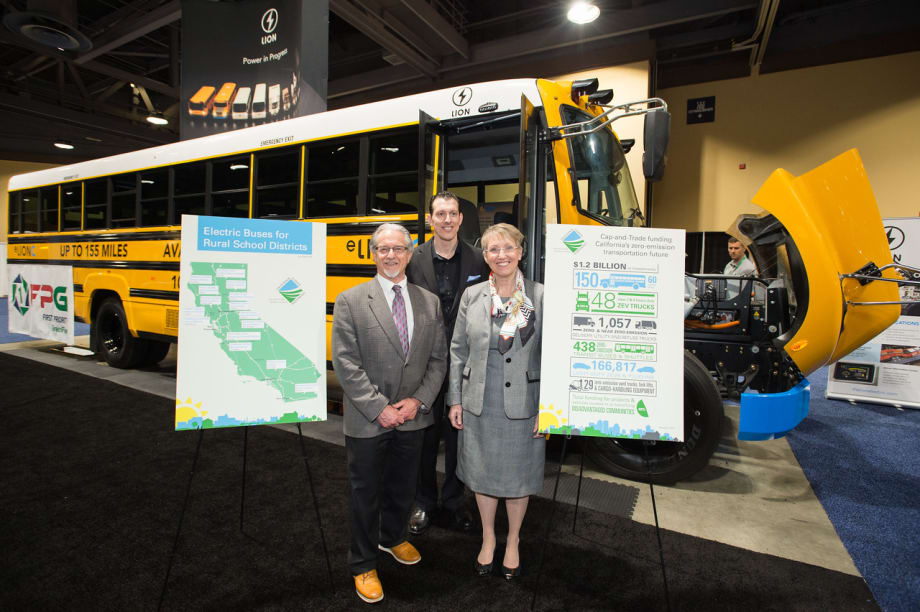
California officials said at the 2018 ACT Expo that the Rural School Bus Pilot Project is delivering dozens of electric school buses to rural districts. The project is part of a disbursement of more than $1.2 billion for more alternative-fuel vehicles in the state. Photo courtesy ACT Expo 2018

LONG BEACH, Calif. — A state program is delivering dozens of electric school buses to rural school districts as part of a disbursement of more than $1.2 billion for more alternative-fuel vehicles, officials said at the 2018 ACT Expo on Wednesday.
The Rural School Bus Pilot Project, administered by the North Coast Unified Air Quality Management District, aims to help replace some of the oldest school buses in the state.
Funding for the year-old Rural School Bus Pilot Project and other related projects comes from California Climate Investments, a statewide initiative that applies billions of cap-and-trade dollars to reduce greenhouse gas emissions in an effort to strengthen the economy and improve public health and the environment, particularly in disadvantaged communities. Forty-eight percent of these investments benefit low-income and disadvantaged neighborhoods.
In total, California Climate Investments will fund about 150 cleaner school buses across the state. These include zero-emission battery electric models and conventional models using renewable diesel. The Rural School Bus Pilot Project, which has received $25 million in cap-and-trade funding, will fund as many as 60 of those new school buses in rural areas of the state, which is expected to cut 10,000 metric tons of greenhouse gas emissions. About 40 of the school buses in rural areas will be zero-emission battery electric.
Standing before an eLion electric school bus, state officials said the project was designed to ensure that the students and drivers in districts located farther from California’s urban centers also benefit from the state’s transition to low-carbon transportation.
“Thanks to California Climate Investments, thousands of schoolkids in remote school districts across California will be riding in the cleanest-running school buses on the market,” said Sandy Berg, the vice chair for the California Air Resources Board (CARB). “This is one example of how these investments are changing people’s lives and cleaning the air.”
As of April, school districts that have received electric school buses as part of the Rural School Bus Pilot Project include:
• Brawley Elementary School District
• Calaveras Unified School District
• Chico Unified School District
• Fall River Joint Unified School District
• Gateway Unified School District
• Gonzales Unified School District
• Healdsburg Unified School District
• Konocti Unified School District
• Oroville Union High School District
• Palermo Union School District
• Plumas Unified School District
• Santa Rita Union Elementary School District
• Rescue Union School District
• Ukiah Unified School District
• Wilsona School District
California Climate Investments are designed to help drive down the upfront purchase price of the cleaner vehicles, and as their numbers increase, that cost will drop even further due to economies of scale, according to CARB.
In addition to funding zero-emission vehicles, California Climate Investments projects include affordable housing, renewable energy, public transportation, environmental restoration, more sustainable agriculture, and recycling. At least 35% of these investments are made in disadvantaged and low-income communities.
More Alternative Fuels
Alt-Fuel Moves: Fleets Power Up Beyond the Bus
See how districts are pairing electric buses with charging, solar, and V2G technology to cut costs, boost resilience, and unlock new fleet value.
Read More →
What the EPA’s Updated Clean School Bus Program Means for Fleet Electrification in 2026 and Beyond
A guide to the EPA’s evolving school bus grants, including how the Trump administration changed funding priorities and how school districts can prepare for future bus purchases.
Read More →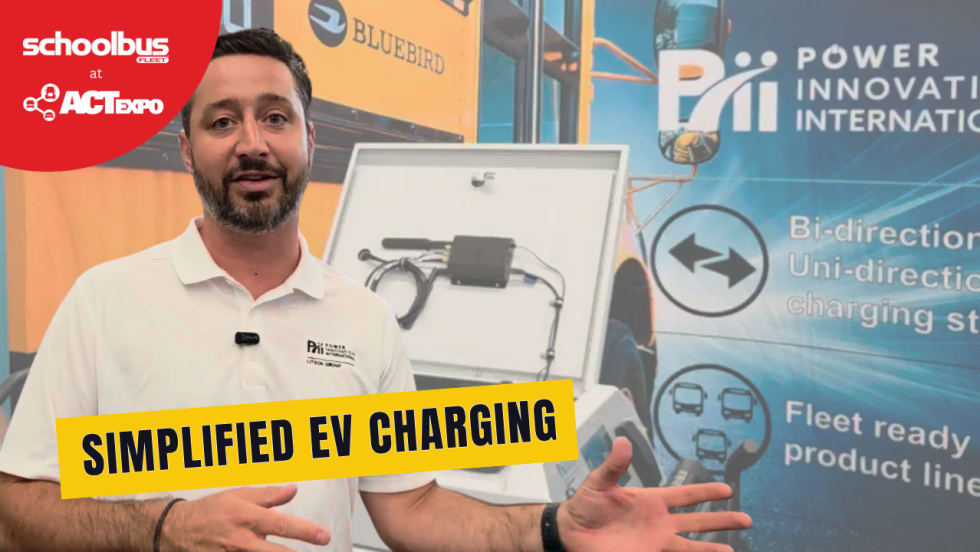
A Solution Helping School Buses Charge Without Major Infrastructure Upgrades
Power Innovations International dishes on its EV charging technology designed to reduce infrastructure barriers, improve reliability, and support V2G applications for school bus fleets.
Read More →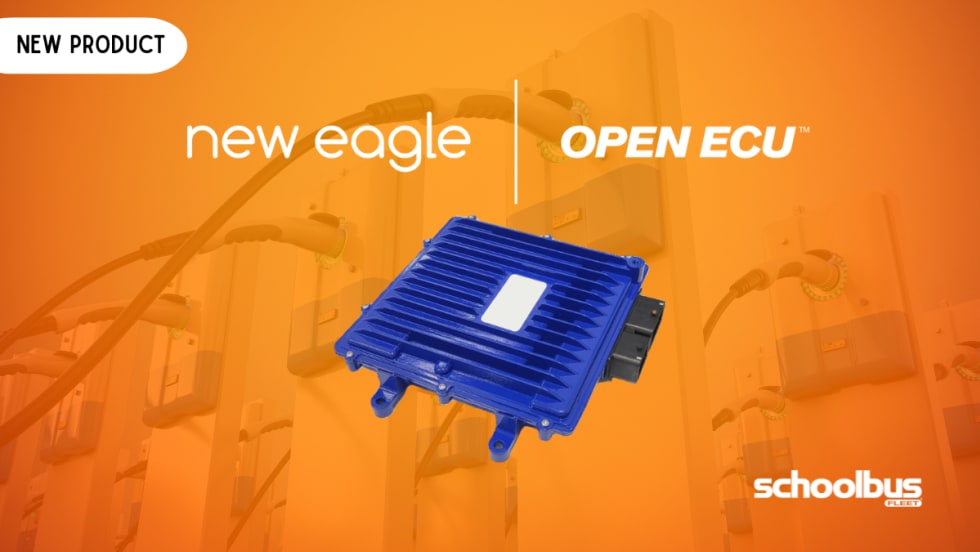
New Eagle Launches All-in-One EV Control Platform
The new OpenECU NX3 platform integrates charging and vehicle controls into a single platform, with support for megawatt charging and vehicle-to-grid technologies.
Read More →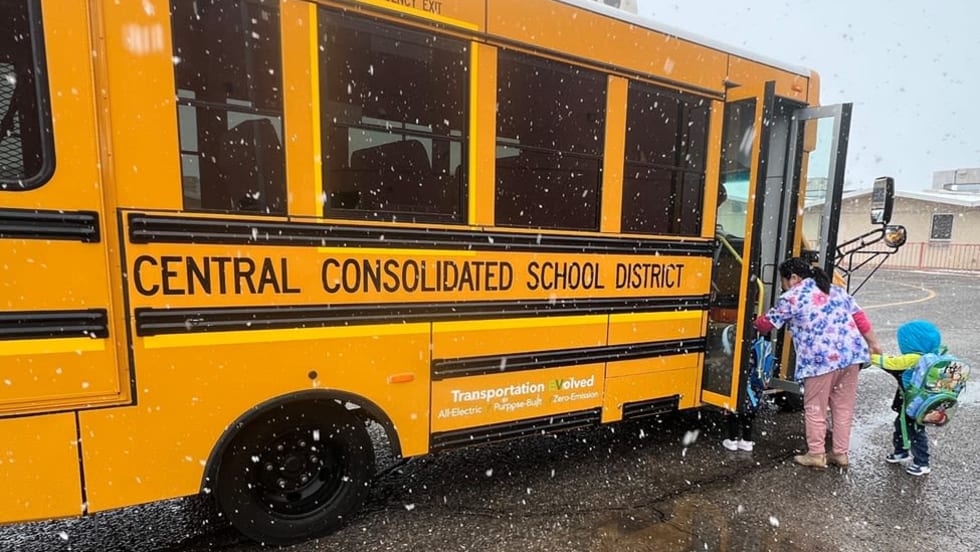
GreenPower Unveils New Heating Solution for Type A Bus
The all-electric bus manufacturer's new product aims to eliminate cold-cabin issues on its Nano BEAST zero-emission school buses operating in cold climates.
Read More →
Alt-Fuel Moves: Fleets Plug In for the Long Haul
School districts across the U.S. are moving electric school bus plans into operation, with new fleet deployments, charging infrastructure, and long-term electrification partnerships taking shape.
Read More →
The Achilles Heel of School Bus Electrification: BetterFleet’s Take
BetterFleet’s managing partner discusses AI-powered EV fleet management, vehicle-to-grid challenges, and the real challenges in bus electrification today, from ACT Expo.
Read More →
You're On Your Own to Pick a Drivetrain [Op-Ed]
After years of federal pressure toward electric school buses, districts are suddenly being told to choose their own path. Let’s explore the risks, realities, and politics behind school bus drivetrain decisions.
Read More →
Wattson: Thomas Built’s Largest EV School Bus Yet
Check in with Mark Childers on the new Wattson Type D electric school bus, featuring faster charging, expanded passenger capacity, and advanced safety technology.
Read More →
The New Era of Electric School Buses: V2G, Bidirectional Chargers & More
The Mobility House discusses AI-powered charging, vehicle-to-grid technology, smart energy management, and the next phase of school bus electrification.
Read More →