




Tennessee Toughens Penalties for School Bus Driver Texting
Under a new state law, school bus drivers who use portable electronic devices at the wheel face a 30-day jail sentence and a $1,000 fine.

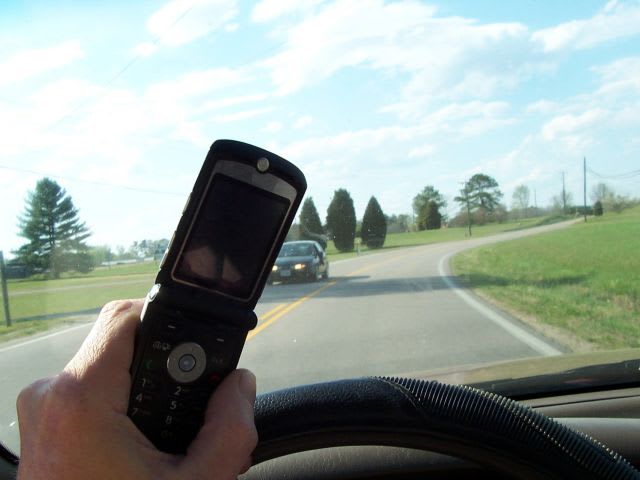
Under a new law, Tennessee school bus drivers who use portable electronic devices at the wheel face a 30-day jail sentence and a $1,000 fine. Photo by Ed Brown
Under a new law, Tennessee school bus drivers who use portable electronic devices at the wheel face a 30-day jail sentence and a $1,000 fine. Photo by Ed Brown
NASHVILLE, Tenn. — A bill that increases penalties for Tennessee school bus drivers caught using portable electronic devices at the wheel has been signed into law.
Gov. Bill Haslam approved the legislation on Thursday. It passed the Tennessee House and Senate with nearly unanimous votes.
As previously reported, the bill was spurred by the fatal crash of two school buses in Knoxville in December 2014. In that crash, which killed two students and an aide, investigators found that school bus driver James Davenport had been sending and receiving text messages.
“Following the events of December 2014, I vowed to do everything within my power to make sure that nothing like this happened in Tennessee again,” said Charme Allen, Knox County’s district attorney general. “Thanks to a statewide effort, Tennessee now has the strongest law in the nation when it comes to distracted school bus drivers.”
Under previous law in Tennessee, a school bus driver who uses a mobile phone while transporting students would be charged with a Class C misdemeanor, which is punishable by a $50 fine.
The newly passed law, which goes into effect July 1, makes the offense a Class A misdemeanor for school bus drivers. That carries a minimum sentence of 30 days in jail, a fine of at least $1,000, and permanent prohibition from operating a school bus in the state.
The legislation also broadens the list of devices that school bus drivers are banned from using while driving. In addition to mobile phones, a few examples are laptop computers, pagers, cameras, and electronic games.
The bill specifies that school bus drivers can’t use the prohibited portable electronic devices while loading or unloading students, in addition to while the bus is in motion and transporting students.
Communications with dispatch via two-way radios, or other devices used in a similar way as two-way radio communications, are still allowed, as are phone calls in emergencies.
Allen, the Knox County attorney general, worked with bill sponsors Sen. Becky Duncan Massey and Rep. Eddie Smith over the past several months to support the passage of the legislation.
“With child safety in mind, we have dramatically broadened and strengthened the law to ensure that our school bus drivers are keeping their focus where it should be," Massey said.
“This was a vital step to protect our children from unnecessary danger on their way to and from school,” Smith added. “The strengthened penalties should make it very clear that the safety of our children is our number one priority.”
More Safety

How to Build a Better School Bus Driver Training Program
Is it time to strengthen your driver training? Here’s how to pick the right talent and improve recruitment, retention, and safety. This video is brought to you by IC Bus.
Read More →
Recent School Bus Accidents Leave 2 Dead, 2 Injured
Four school bus crashes in Florida, Illinois, and Georgia highlight risks in transportation lots, at bus stops, and during student loading and unloading.
Read More →
When Every Second Matters, Clarity Keeps Routes Moving
From routine delays to urgent incidents, strong communication practices help drivers, dispatchers, schools, and families respond with confidence.
Read More →

What Happens When a School Bus Catches Fire — and What Can Help
School bus fires are rare but can be devastating. Learn how advances in fire suppression and asset protection help fleets detect fires earlier, reduce damage, and improve safety.
Read More →
Geotab Launches Tool to Help Fleets Investigate Road Incidents
Geotab Investigations combines telematics data, video, documents, and other evidence to help fleets reconstruct incidents, resolve claims, and determine what happened.
Read More →
Texas Sixth Grader Wins 2026 National School Bus Safety Poster Contest
Sai Darshana Yekolu of Moseley Middle School in Prosper, Texas, was named the newest winner for her artwork, bringing the theme of “Safe Rides, Everyday Heroes” to life.
Read More →
Doing More With Less: How Transportation Directors Can Prioritize Safety Amid Budget Uncertainty
With diesel prices soaring and nearly one-third of transportation directors expecting budget cuts, maintaining student safety has never been more challenging. Download this guide to learn how leading districts are prioritizing risk, funding critical safety technology, and building stronger budget cases with data.
Read More →
Walton County Schools Adds Gatekeeper Stop-Arm Enforcement System
The Florida district will deploy Gatekeeper’s updated Student Protector technology, which now incorporates AI to improve video evidence.
Read More →
How To Build a More Secure School Bus Yard During and After Hours
As thefts and overnight security threats continue, school transportation leaders are combining stronger operational practices with AI-enabled surveillance to better protect buses, facilities, and staff.
Read More →
FMCSA Names New Chief Safety Officer: What School Bus Operators Should Know
Steve Dowling is set to lead the federal agency's efforts to advance commercial motor vehicle safety and reduce crashes, fatalities, and injuries on the nation's roadways.
Read More →