




First Student wins award from National Safety Council
The school bus contractor is recognized with an Occupational Excellence Achievement Award. The honor is for companies that have reported injuries and illnesses that involved days away from work equal to or less than 50% of the Bureau of Labor Statistics rate for their national industry classification and have had no fatalities during the previous calendar year.


From left: Paul Gibson, National Safety Council; Gary Catapano, First Student’s senior VP of safety; Dennis Maple, president of First Student; and Michael Pollock, National Safety Council.
School bus contractor First Student was recently recognized with an Occupational Excellence Achievement Award by the National Safety Council (NSC) for its commitment to provide a safe work environment.
The award recognizes companies that have reported injuries and illnesses that involved days away from work equal to or less than 50% of the Bureau of Labor Statistics rate for their national industry classification and have had no fatalities during the previous calendar year.
Officials said that the employee injury rate for First Student is less than half the rate of the school bus industry.
“This award is really a reflection of the dedication to safety our location teams put into practice every day,” said Gary Catapano, First Student’s senior vice president of safety. “This award belongs to our managers and employees, and we can all take pride in this recognition of their accomplishment.”
First Student also received an NSC Occupational Excellence Achievement Award for 2012. Its parent company, FirstGroup, was awarded the NSC Green Cross for Safety Medal in 2009 for its commitment to safety and outstanding safety record across all of its divisions.
More Safety
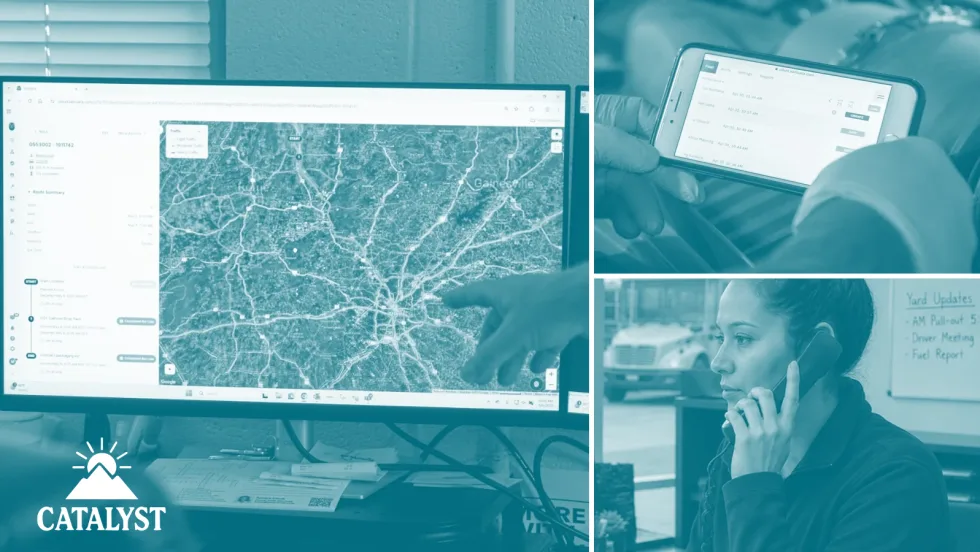
From Reactive to Proactive: Making Every Ride Visible
Smart technology only delivers its full value when it works together. See how Catalyst connects proven industry platforms to move student transportation from reactive to proactive.
Read More →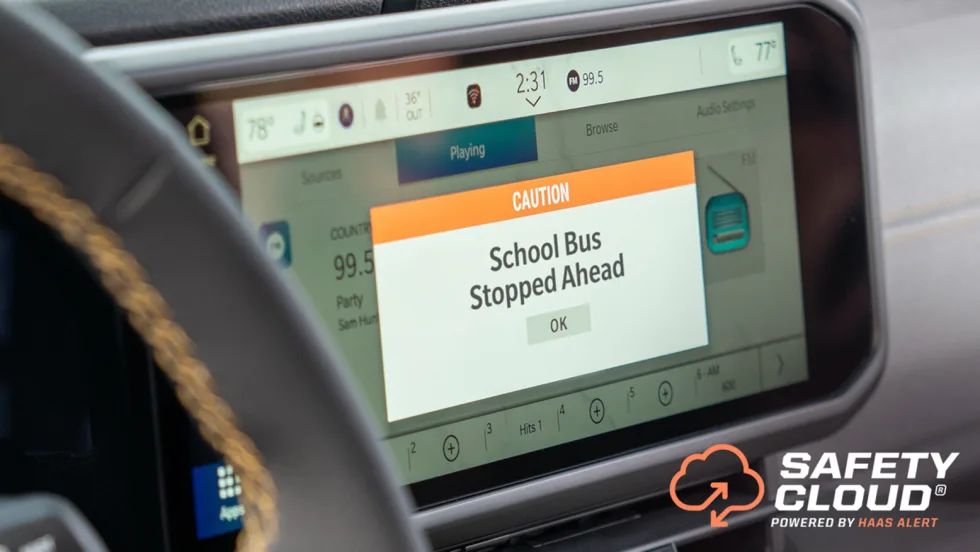
HAAS Alert’s Safety Cloud Warns Motorists of Stopped School Buses
Through a transponder or Samsara connection, the product lets school bus fleets send advance warnings to approaching drivers through in-vehicle alerts.
Read More →
HopSkipDrive Reports Progress on Safety Advisory Council
More than a year after forming the council, independent safety experts have helped shape new rider-safety features and policy progress, with a new goal to address rider behavior.
Read More →
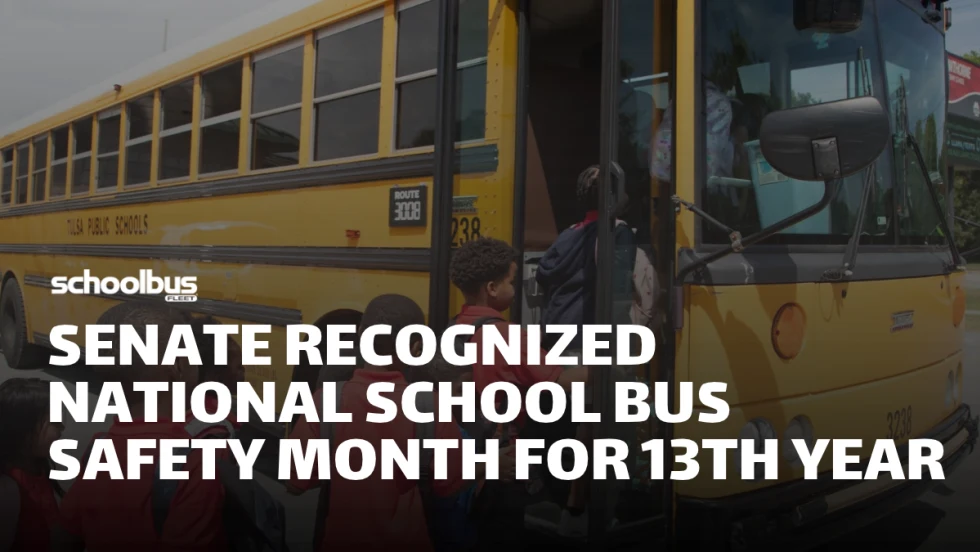
What the 2026 National School Bus Safety Month Resolution Means for Student Transportation
The bipartisan resolution highlights illegal school bus passing, student safety during loading and unloading, and the need for driver training and public education.
Read More →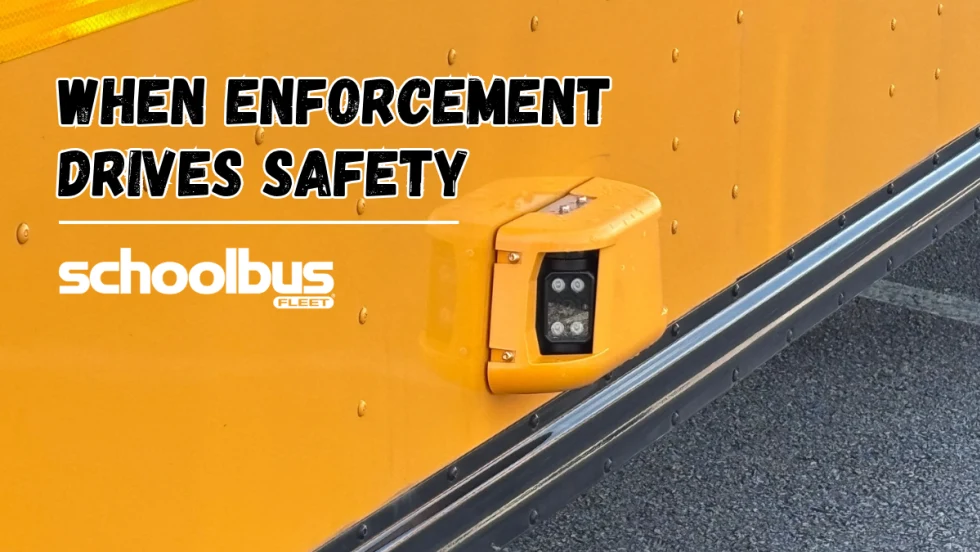
School Bus Stop-Arm Violations Decline 53% Across Verra Mobility Programs
Verra Mobility shares how school bus stop-arm cameras and school zone safety programs are changing driver behavior, reducing violations, and protecting students.
Read More →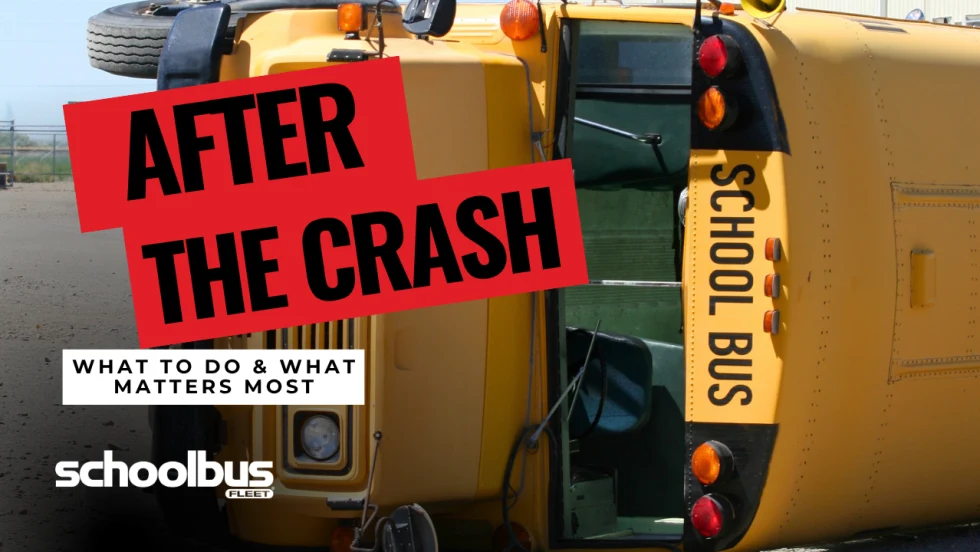
Most Bus Crashes Aren’t Your Fault. Here’s How to Prove It.
A guide for what to do in between a school bus crash and a claim: what to preserve, who to notify, and how to keep the facts available when they matter.
Read More →
National School Bus Safety Week 2026: Tips, Toolkits & Resources to Keep Students Safe
School bus safety takes more than awareness. Explore expert tips, enforcement strategies, and free resources to help protect students on every ride.
Read More →
2 Killed, Dozens Injured in Florida School Bus Crash
A multi-vehicle collision caused a Polk County school bus carrying 37 students to overturn on its way to Winter Haven High School.
Read More →
Illegal School Bus Passing Drops 24% in New York Districts
With fewer than 5% of citations involving repeat offenders, Westchester County officials said enforcement, education, and community partnerships are helping change driver behavior.
Read More →
School's Back. Here's What Happened to Traffic, Speeding & Distraction
What happens to traffic when school resumes? New data analysis examines changes in distracted driving, congestion, and speeding around schools.
Read More →