





Don't Miss: The School Bus: Ensuring Student Safety, Accessibility, Community Building, and Education
Wheels of Wisdom: When Should School Buses Stop at Railroad Crossings?
Bus drivers, your insights matter! We're seeking your expertise on school bus safety at railroad crossings. Share your experiences and perspectives to help us understand the importance and challenges of this crucial aspect of transportation. Join the conversation now!
July 20, 2023
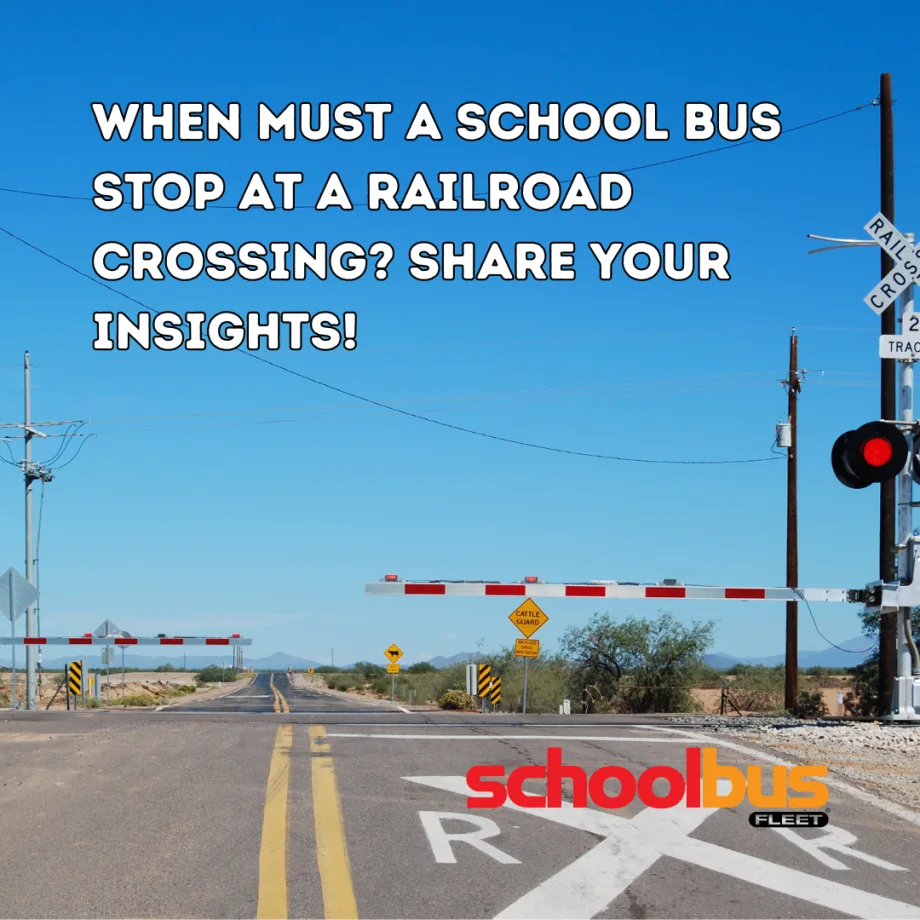
The regulations may vary to a certain extent from one area to another, but generally school buses are expected to stop at all railroad crossings. But are there exceptions? Share your local experiences!
Image: Canva
3 min to read
Bus drivers play a vital role in ensuring the safety of students at railroad crossings. By diligently stopping, observing, and assessing the surroundings for approaching trains, these skilled professionals prioritize passenger safety and instill awareness of potential hazards, fostering a secure transportation environment.
But when are drivers required to stop at these crossings? And why?
School Bus Drivers Follow the Law and Teach Safe Habits
It is important for school buses to stop at railroad crossings for several reasons:
Safety of passengers: The primary reason is to ensure the safety of the students and other passengers on the bus. Stopping at railroad crossings allows the bus driver to check for the presence of trains and assess the safety of crossing the tracks. This precautionary measure reduces the risk of collisions between school buses and trains, which could have severe consequences.
Visibility and awareness: Stopping at railroad crossings raises awareness among both the bus driver and the students about the potential hazards associated with railroad tracks. It provides an opportunity for the driver to visually and audibly assess the surroundings for approaching trains, ensuring they are aware of any potential dangers.
Legal requirements: In many jurisdictions, the law mandates school buses to stop at railroad crossings. It is important to adhere to these legal requirements to maintain compliance with transportation regulations and promote overall safety standards.
Teaching safety habits: By stopping at railroad crossings, school buses play a role in teaching and reinforcing important safety habits to the students on board. It helps instill an understanding of the significance of obeying traffic rules, recognizing potential dangers, and taking appropriate precautions when encountering railroad tracks.
Overall, stopping at railroad crossings is a crucial safety measure that helps mitigate the risks associated with school bus transportation and ensures the well-being of the passengers on board.
What Do the Regulations Say?
In North America, the specific regulations regarding when a school bus should stop at a railroad crossing can vary slightly between jurisdictions. However, the general guidelines are as follows:
United States: In the United States, the Federal Motor Carrier Safety Administration (FMCSA) regulations state that a school bus must stop at all railroad crossings. The driver should open the service door and driver's window to listen and look for approaching trains. The bus should remain stopped until it is safe to proceed, ensuring that no trains are coming and the crossing is clear.
Canada: In Canada, the rules for school buses at railroad crossings may vary slightly between provinces and territories. However, in general, school buses are required to stop at all railroad crossings. The driver should open the service door and driver's window, observe the crossing, and ensure that it is safe to proceed before continuing.
It's important to note that these guidelines are general in nature, and there may be specific variations or additional rules within each jurisdiction. It's crucial to consult the local transportation authority or relevant regulatory agencies in your specific region to get accurate and up-to-date information regarding school bus operations at railroad crossings.
How is it supposed to work where you are? Share your insights in the comments!
Subscribe to Our Newsletter
More Blog Posts
The Sound of Summer Starting [Guest Editorial]
That unmistakable school bus rumble? It carries childhood memories, community routines, and a whole lot of unseen work behind the scenes.
Read More →
The Technology Power Combo That Enables EV Charging on Difficult Sites
As the pace of fleet electrification increases and charging infrastructure continues to pose challenges, many fleets find themselves puzzling over the question: how do I install charging infrastructure faster and more cost-efficiently?
Read More →
Trip Sheet: Farewell, Faithful Readers – Keep on Rolling
Executive Editor Wes Platt offers parting thoughts as he parks the School Bus Fleet bus to focus on ultra-local community journalism, making way for someone else to take the wheel as the pupil transportation industry continues to evolve.
Read More →
Trip Sheet: School Transportation Pros Can Champion Children's Mental Health
Children's Mental Health Awareness Day underscores the significance of school bus drivers in fostering supportive environments during students' journeys. SAMHSA's initiatives, including stigma reduction and access to resources, complement the Biden-Harris administration's funding efforts to enhance youth mental health services and workforce development.
Read More →
Trip Sheet: Is It Time for Daylight Saving Time to Clock Out?
How do you think the potential shift to permanent Daylight Saving Time or standard time would impact our daily lives and routines, especially considering the divided approach across various states?
Read More →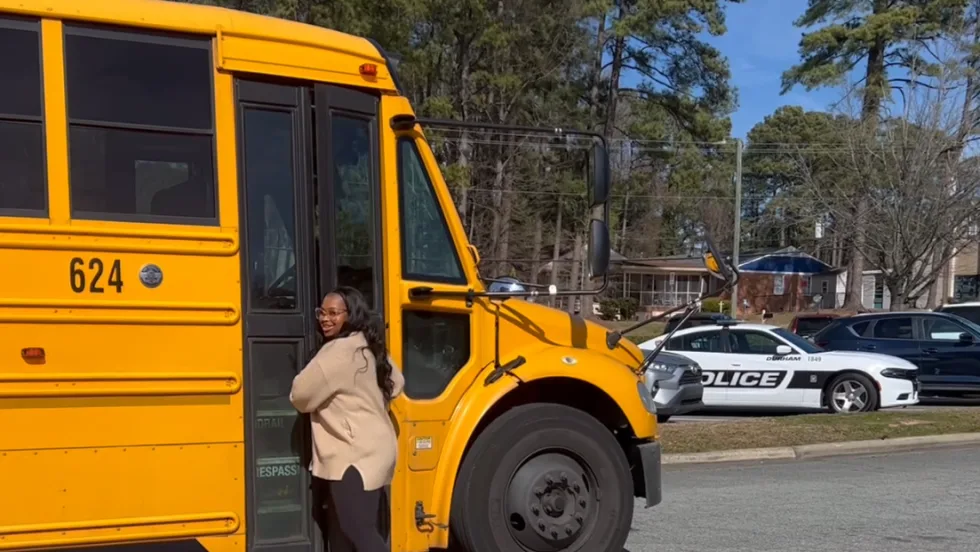
Trip Sheet: Meeting a Hero in My Own Back Yard
I remain impressed by the matter-of-fact heroism that’s often demonstrated by school bus drivers like Deona Washington who are caught in these situations where the best of us might lose our cool and panic. But, then again, bus drivers are a unique breed.
Read More →
Trip Sheet: 3 Takeaways from the EPA Clean School Bus Grant Program
Most applicants sought grant funding to acquire electric school buses, with propane coming in a distant second. No one indicated plans to purchase compressed natural gas (CNG) buses in this round. That’s not terribly surprising, I suppose, given how few school districts listed the inclusion of CNG buses in their fleets for our 2023 top district fleets survey.
Read More →
Trip Sheet: Let's Get Rolling: What's Coming in 2024?
Calendar pages keep flipping toward the mandates set in states like New York and California to transition their school bus fleets from diesel to zero-emission, but there’s plenty of reluctance and pushback.
Read More →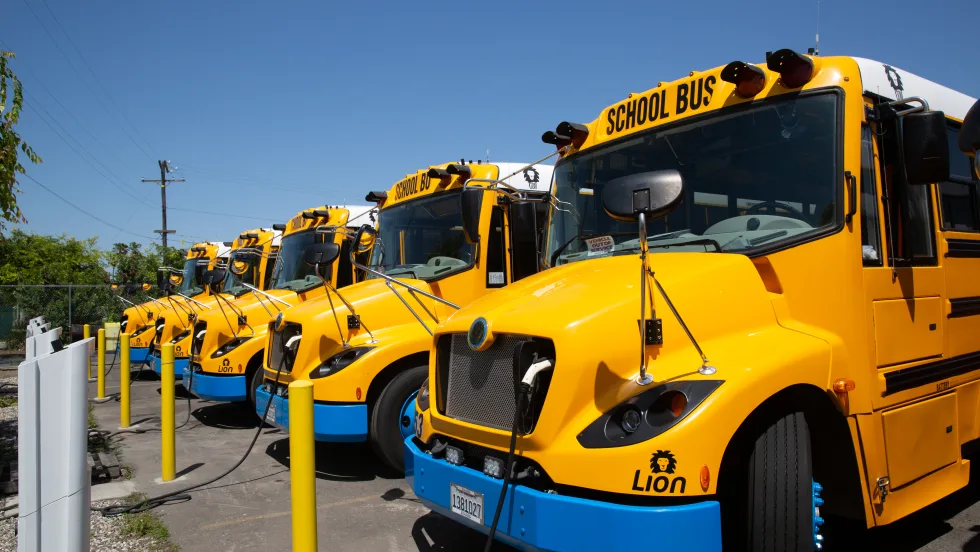
California School Children Ride in Green School Buses
Today, California prides itself on utilizing the most zero-emission (ZE) school buses in the country with over 1,689 being used by California school districts; and while the state is on a positive health trajectory thanks to a decree to eliminate gas and diesel vehicles, more work needs to be done to improve children’s well-being.
Read More →
Behind The Wheel of Childrens’ Safety Aboard the School Bus
Bus drivers are the primary caretakers of children during their commute and thus bear responsibility for their safety. By prioritizing proper operating procedures, maintenance checks, and additional precautions, drivers can help avoid the loss of precious young lives under their care.
Read More →