




The Benefits of Mainstreaming
In SBF's 2011 Special-Needs Survey, respondents report that 30 percent of their special-needs students are mainstreamed (i.e., ride regular-ed routes). I have a disability and in my opinion, when you have a disability, it boosts your self-esteem to be treated as “normally” as possible. It seems, then ...
Of the surveys that SCHOOL BUS FLEET publishes, one that’s particularly interesting to me is the Special-Needs Survey (see pg. 28 in the February 2011 issue, view the digital edition here or visit the research section on our website).
On average over the past five years, respondents reported that 36.7 percent of their special-needs students are mainstreamed (i.e., ride regular-ed routes), with this year having the lowest figure (30 percent).
I have a disability (cerebral palsy), but I have not been given special treatment throughout my life and I’ve appreciated that. In my opinion, when you have a disability, it boosts your self-esteem to be treated as “normally” as possible.
It seems, then, that it would benefit special-needs students for operations to practice mainstreaming whenever possible.
I realize that there are many factors that can affect whether a special-needs student rides a bus with his or her general-education peers. For instance, perhaps that student’s disability is so severe that it’s safest for him or her to ride on a special-needs route.
Launi Schmutz, director of transportation at Washington County School District in St. George, Utah, says that parents also play a large role in this, and often want to help in making transportation decisions.
“What’s best for the student needs to be looked at in the IEP. Sometimes that’s putting them with their [special-needs] peers, sometimes it isn’t. It’s definitely more cost-effective to transport them on a regular-ed bus,” Schmutz adds.
Cost-effective service
Schmutz estimates that the cost to transport students at her operation on regular routes is about $248 per student, whereas the cost for transporting students on special-needs routes is about $974 per student.
Although what’s best for the student should be the priority in determining whether he or she can be mainstreamed, Schmutz says cost should be considered, especially in today’s economic climate.
Schmutz attends IEP meetings and asks how special-needs students behave during lunch, recess and in between classes (which she considers similar to the environment on a school bus), and how they interact with others to help establish whether they could be mainstreamed.
However, she emphasizes, “Every decision is made individually with consideration of each student’s safety and welfare.”
Schmutz also maintains an open line of communication with the individuals who discuss with parents the transportation options for their children.
“You have to have buy-in,” she says. “Patience is key.” (Schmutz says it once took a year for the parents of a student with a mild disability to allow him to ride on a regular-ed route.)
Students learn self-advocacy
Mainstreaming can also aid in students’ development. Jean Zimmerman, supervisor of occupational and physical therapy for the Palm Beach County School District in West Palm Beach, Fla., says it will help special-education children learn how to respond in the “real world.”
“It will be a prelude to learning to ride a public city bus later in life,” she says. “They’re going to learn self-advocacy.”
She adds that a “buddy system” — wherein a regular-ed student sits and talks with a special-needs student — could help the student adjust to riding a regular route.
“I also think that prior to the special-education student riding the bus, it would be beneficial to inform the other kids that he or she may be a little different, but should be welcomed by everyone,” she says.
— Kelly Roher
Managing Editor
kelly.roher@bobit.com
More Blog Posts
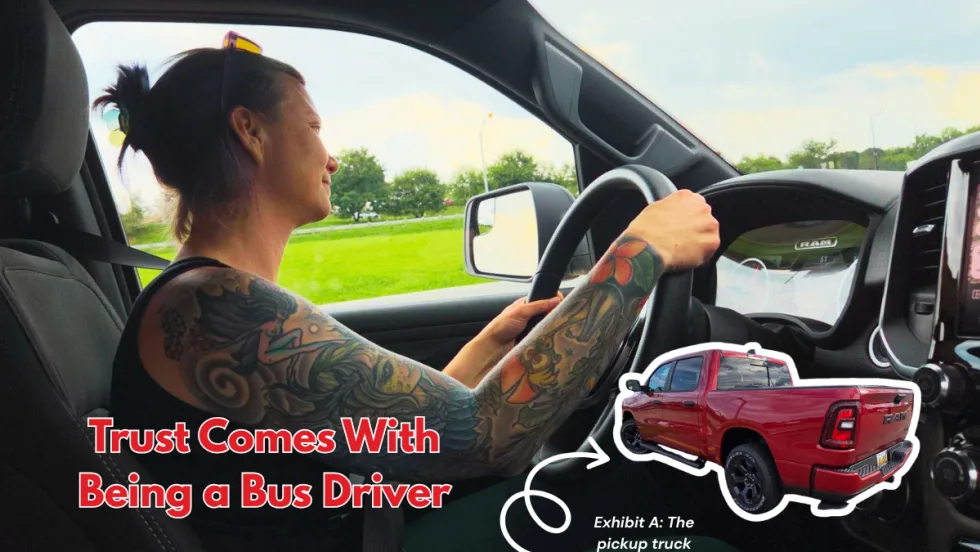
'I’m a School Bus Driver, You Can Trust Me'
A crowded Cleveland parking lot, a full-size pickup, and five unexpected words turned a stressful moment into a reminder of just how much trust we place in school bus drivers every day.
Read More →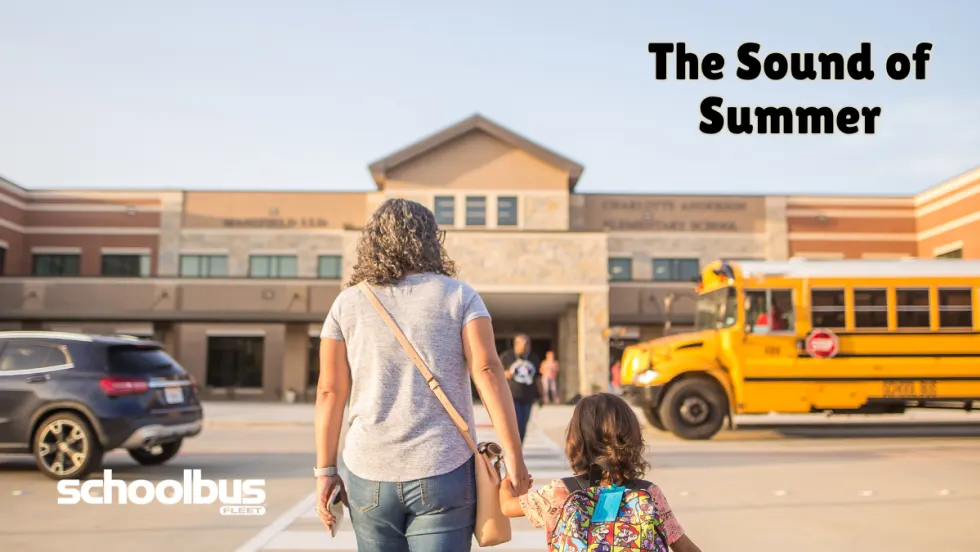
The Sound of Summer Starting [Guest Editorial]
That unmistakable school bus rumble? It carries childhood memories, community routines, and a whole lot of unseen work behind the scenes.
Read More →
The Technology Power Combo That Enables EV Charging on Difficult Sites
As the pace of fleet electrification increases and charging infrastructure continues to pose challenges, many fleets find themselves puzzling over the question: how do I install charging infrastructure faster and more cost-efficiently?
Read More →
Trip Sheet: Farewell, Faithful Readers – Keep on Rolling
Executive Editor Wes Platt offers parting thoughts as he parks the School Bus Fleet bus to focus on ultra-local community journalism, making way for someone else to take the wheel as the pupil transportation industry continues to evolve.
Read More →
Trip Sheet: School Transportation Pros Can Champion Children's Mental Health
Children's Mental Health Awareness Day underscores the significance of school bus drivers in fostering supportive environments during students' journeys. SAMHSA's initiatives, including stigma reduction and access to resources, complement the Biden-Harris administration's funding efforts to enhance youth mental health services and workforce development.
Read More →
Trip Sheet: Is It Time for Daylight Saving Time to Clock Out?
How do you think the potential shift to permanent Daylight Saving Time or standard time would impact our daily lives and routines, especially considering the divided approach across various states?
Read More →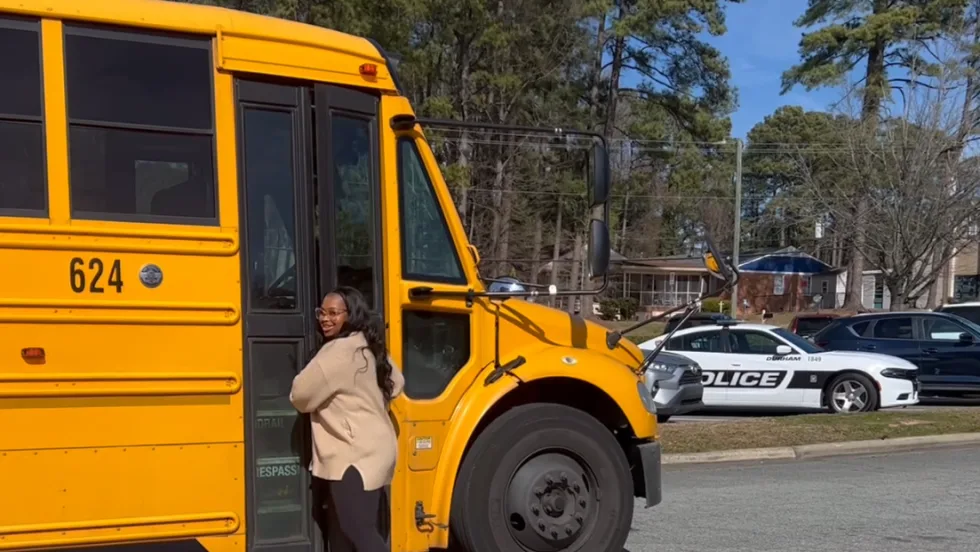
Trip Sheet: Meeting a Hero in My Own Back Yard
I remain impressed by the matter-of-fact heroism that’s often demonstrated by school bus drivers like Deona Washington who are caught in these situations where the best of us might lose our cool and panic. But, then again, bus drivers are a unique breed.
Read More →
Trip Sheet: 3 Takeaways from the EPA Clean School Bus Grant Program
Most applicants sought grant funding to acquire electric school buses, with propane coming in a distant second. No one indicated plans to purchase compressed natural gas (CNG) buses in this round. That’s not terribly surprising, I suppose, given how few school districts listed the inclusion of CNG buses in their fleets for our 2023 top district fleets survey.
Read More →
Trip Sheet: Let's Get Rolling: What's Coming in 2024?
Calendar pages keep flipping toward the mandates set in states like New York and California to transition their school bus fleets from diesel to zero-emission, but there’s plenty of reluctance and pushback.
Read More →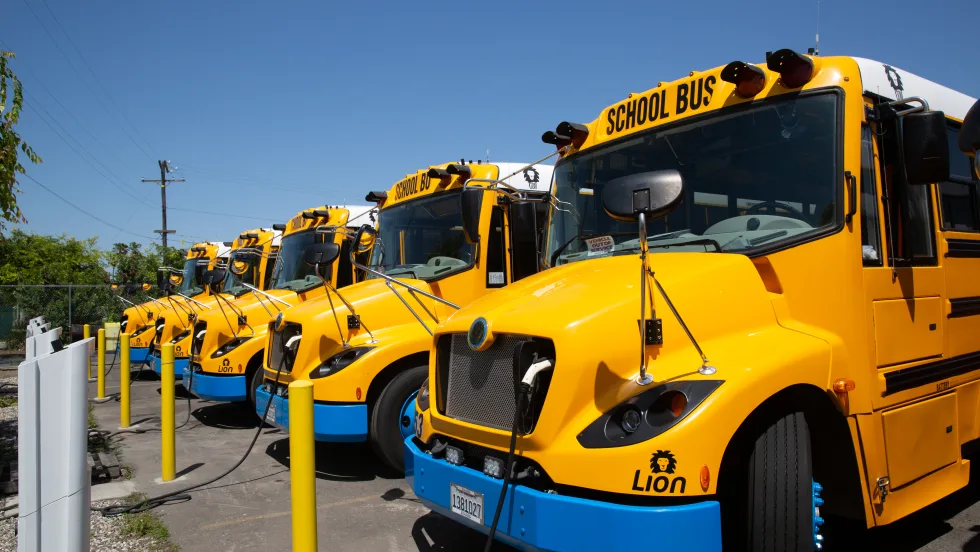
California School Children Ride in Green School Buses
Today, California prides itself on utilizing the most zero-emission (ZE) school buses in the country with over 1,689 being used by California school districts; and while the state is on a positive health trajectory thanks to a decree to eliminate gas and diesel vehicles, more work needs to be done to improve children’s well-being.
Read More →