




Tapping in to Tax Credits for Transportation
Many transportation companies are not taking advantage of some of the applicable tax credits. Here, a CPA provides details on fuel tax savings and a work opportunity credit.
Many transportation companies are not taking advantage of some of the tax credits that are available. It’s difficult to run a business and keep up with the complex regulations regarding taxes.
Getting help from a tax professional who is familiar with the transportation industry and all the applicable deductions, credits, and exemptions is crucial. Be sure to ask your tax professional about these tax credit opportunities that your company may be eligible for.
Fuel Tax Credits
Gasoline and diesel fuel used in school buses and qualified local buses qualify for the fuel tax credit. The fuel tax credit is available for vehicles registered as a school bus with the state where the vehicle is licensed. The school bus fuel tax credit is not available for traditional passenger vehicles, such as a minivan or other automobiles registered as a van or private automobile. A qualified local bus is a bus that does not qualify as a school bus but has a seating capacity of at least 20 people, excluding the driver.
Fuel used for off-road equipment or vehicles also qualifies for the fuel tax credit. The amount can be significant for the large fuel-intensive businesses. The fuel tax credit is a refundable credit, so even if your company reports a taxable loss, you’re still eligible to claim the credit.
Propane Tax Credit
Here are the current tax savings available for propane school bus use:
• When you purchase a propane school bus, you do not have to pay the federal excise tax on the bus purchase. The seller should be aware that propane school buses are exempt from the excise tax and therefore should not charge the buyer for it.
• The sellers of propane are in charge of paying an excise tax on propane sold. Since propane used exclusively in school buses is excluded from this excise tax, the buyer should not have to pay the excise tax when purchasing the fuel. The current excise tax on propane is 50 cents per gallon.
• If you plan to install a propane tank to fill your buses at your location, there is an Alternative Fuel Infrastructure Tax Credit available to you. The tank must be installed by Dec. 31, 2016, and is eligible for a tax credit of 30% of the cost, not to exceed $30,000.
Work Opportunity Credit
Hiring people from targeted categories and employing them for at least 120 hours could qualify you for the Work Opportunity Tax Credit (WOTC). The WOTC could reduce your federal tax liability by up to $9,600 per employee. The WOTC is currently in place if you hire someone before Jan. 1, 2020, from a targeted group. These targeted groups include:
• Qualified veterans
• Unemployed veterans
• Disabled veterans
• Qualified long-term unemployment recipients
• Vocational rehabilitation referrals
• Food stamp recipients
• Long-term family assistance recipients
• Qualified felons
• Qualified summer youth
• Supplemental security income recipients
The WOTC does offer significant tax savings, but it can be a large task taking advantage of the credit. As the employer, you must first identify eligible employees, collect supporting information, submit the required tax forms and compute the dollar amount of the credit.
You generally have 28 days after an individual begins working to submit the proper paperwork with the designated local agency in order to qualify for the credit. Special relief has been granted through Sept. 28, 2016, for those hired from Jan. 1, 2015, to Aug. 31, 2016.
Consulting with your tax professional to streamline the hiring process and gather the necessary information on the first day of work of the employee can be very beneficial.
Kim Mahanna is a certified public accountant with Smith Schafer Associates Ltd. with 36 years of experience, including working with bus company owners. For more information on this or other tax-related topics, contact the Smith Schafer transportation team at (651) 770-8414 or go to www.smithschafer.com.
More Blog Posts

The Sound of Summer Starting [Guest Editorial]
That unmistakable school bus rumble? It carries childhood memories, community routines, and a whole lot of unseen work behind the scenes.
Read More →
The Technology Power Combo That Enables EV Charging on Difficult Sites
As the pace of fleet electrification increases and charging infrastructure continues to pose challenges, many fleets find themselves puzzling over the question: how do I install charging infrastructure faster and more cost-efficiently?
Read More →
Trip Sheet: Farewell, Faithful Readers – Keep on Rolling
Executive Editor Wes Platt offers parting thoughts as he parks the School Bus Fleet bus to focus on ultra-local community journalism, making way for someone else to take the wheel as the pupil transportation industry continues to evolve.
Read More →
Trip Sheet: School Transportation Pros Can Champion Children's Mental Health
Children's Mental Health Awareness Day underscores the significance of school bus drivers in fostering supportive environments during students' journeys. SAMHSA's initiatives, including stigma reduction and access to resources, complement the Biden-Harris administration's funding efforts to enhance youth mental health services and workforce development.
Read More →
Trip Sheet: Is It Time for Daylight Saving Time to Clock Out?
How do you think the potential shift to permanent Daylight Saving Time or standard time would impact our daily lives and routines, especially considering the divided approach across various states?
Read More →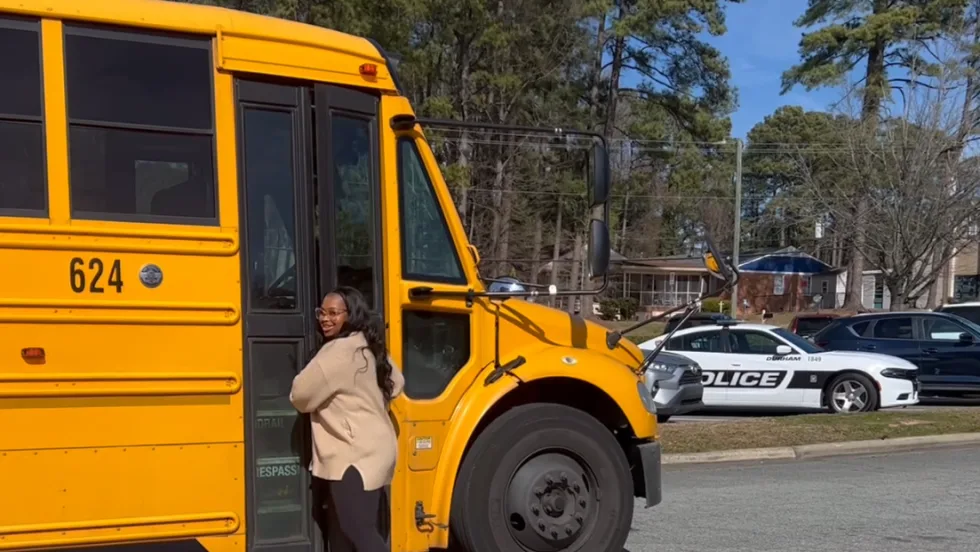
Trip Sheet: Meeting a Hero in My Own Back Yard
I remain impressed by the matter-of-fact heroism that’s often demonstrated by school bus drivers like Deona Washington who are caught in these situations where the best of us might lose our cool and panic. But, then again, bus drivers are a unique breed.
Read More →
Trip Sheet: 3 Takeaways from the EPA Clean School Bus Grant Program
Most applicants sought grant funding to acquire electric school buses, with propane coming in a distant second. No one indicated plans to purchase compressed natural gas (CNG) buses in this round. That’s not terribly surprising, I suppose, given how few school districts listed the inclusion of CNG buses in their fleets for our 2023 top district fleets survey.
Read More →
Trip Sheet: Let's Get Rolling: What's Coming in 2024?
Calendar pages keep flipping toward the mandates set in states like New York and California to transition their school bus fleets from diesel to zero-emission, but there’s plenty of reluctance and pushback.
Read More →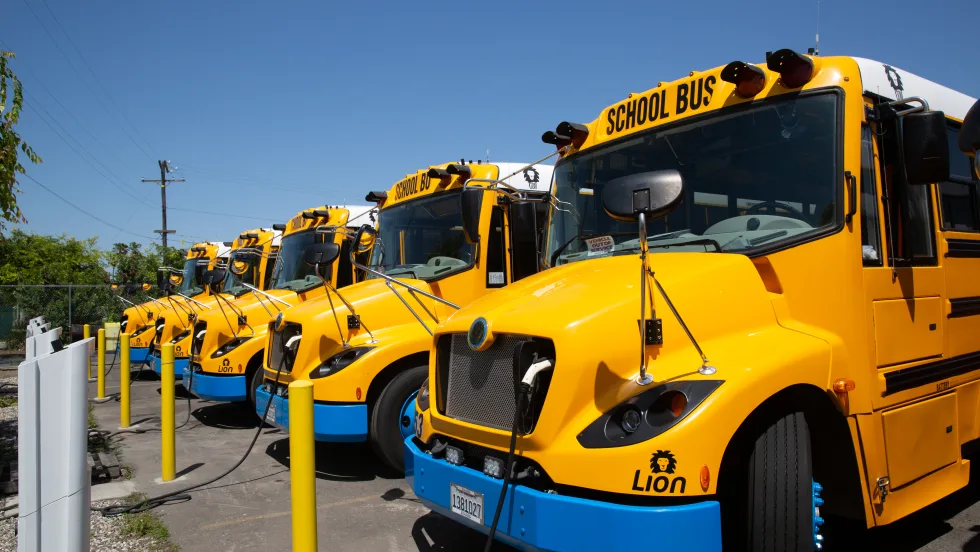
California School Children Ride in Green School Buses
Today, California prides itself on utilizing the most zero-emission (ZE) school buses in the country with over 1,689 being used by California school districts; and while the state is on a positive health trajectory thanks to a decree to eliminate gas and diesel vehicles, more work needs to be done to improve children’s well-being.
Read More →
Behind The Wheel of Childrens’ Safety Aboard the School Bus
Bus drivers are the primary caretakers of children during their commute and thus bear responsibility for their safety. By prioritizing proper operating procedures, maintenance checks, and additional precautions, drivers can help avoid the loss of precious young lives under their care.
Read More →