




Soothing smells on the school bus?
In an unusual ad campaign in South Korea, the smell of Dunkin' Donuts coffee was wafted into transit buses. While we don't want to encourage kids to run to the nearest donut shop, could other types of soothing odors be used on a school bus to keep passengers calm? ...


A transit bus passenger in South Korea takes note of a coffee smell wafting through the bus. The subtitle is a translation from an ad playing on the radio.
School buses are known for being big, yellow and safe — not necessarily for smelling like roses.
But could pleasant aromas be used on the yellow bus to enhance the riding experience? I'm going to go out on a limb here, but just bear with me.
This thought came to mind when I heard about an ad campaign in South Korea in which the smell of Dunkin' Donuts coffee was wafted into transit buses. At Dunkin' shops located by bus stops in Seoul, sales reportedly increased 29% during the campaign. (See this video for more on that unusual advertising program.)
In that case, smells apparently had some effect on people's behavior. While we don't want to encourage kids to run to the nearest donut shop, could other types of soothing odors be used on a school bus to keep passengers calm?
We've reported on the positive impacts that various types of equipment can have on student behavior on the bus. For example, some operations have found lap-shoulder belts to decrease disciplinary incidents. Video surveillance systems can deter bad behavior (and document it when it does occur). We've even heard that the quieter engines on some alternative-fuel buses can make for a calmer passenger compartment.
So what about adding an odor dispenser on the bus? Perhaps it could be programmed to pipe in a fragrance when the volume level rises above a certain level or when the driver says a trigger word, like "Quiet!" (In the transit buses in Seoul, the smell was dispensed in response to the sound of the Dunkin' Donuts jingle in radio ads.)
The idea of using odors to manage student behavior is not unfounded. In an SBF article several years ago, it was noted that a Shelby County (Tenn.) Schools student with autism became calm in response to the smell of pickles. The student was given an empty plastic pickle jar and was allowed to carry it in his backpack.
Pickle scent might not work for everyone, but maybe there are some more widely pleasing fragrances that could be used for the general student population.
I acknowledge that the aroma approach to bus behavior seems far-fetched, but just consider it food for thought (or smell).
— Thomas McMahon, executive editor
More Blog Posts
The Sound of Summer Starting [Guest Editorial]
That unmistakable school bus rumble? It carries childhood memories, community routines, and a whole lot of unseen work behind the scenes.
Read More →
The Technology Power Combo That Enables EV Charging on Difficult Sites
As the pace of fleet electrification increases and charging infrastructure continues to pose challenges, many fleets find themselves puzzling over the question: how do I install charging infrastructure faster and more cost-efficiently?
Read More →
Trip Sheet: Farewell, Faithful Readers – Keep on Rolling
Executive Editor Wes Platt offers parting thoughts as he parks the School Bus Fleet bus to focus on ultra-local community journalism, making way for someone else to take the wheel as the pupil transportation industry continues to evolve.
Read More →
Trip Sheet: School Transportation Pros Can Champion Children's Mental Health
Children's Mental Health Awareness Day underscores the significance of school bus drivers in fostering supportive environments during students' journeys. SAMHSA's initiatives, including stigma reduction and access to resources, complement the Biden-Harris administration's funding efforts to enhance youth mental health services and workforce development.
Read More →
Trip Sheet: Is It Time for Daylight Saving Time to Clock Out?
How do you think the potential shift to permanent Daylight Saving Time or standard time would impact our daily lives and routines, especially considering the divided approach across various states?
Read More →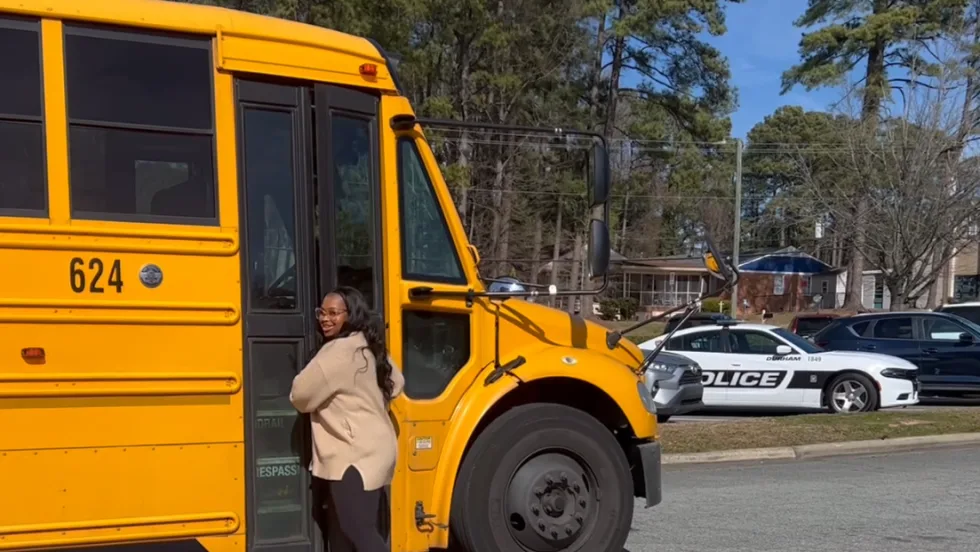
Trip Sheet: Meeting a Hero in My Own Back Yard
I remain impressed by the matter-of-fact heroism that’s often demonstrated by school bus drivers like Deona Washington who are caught in these situations where the best of us might lose our cool and panic. But, then again, bus drivers are a unique breed.
Read More →
Trip Sheet: 3 Takeaways from the EPA Clean School Bus Grant Program
Most applicants sought grant funding to acquire electric school buses, with propane coming in a distant second. No one indicated plans to purchase compressed natural gas (CNG) buses in this round. That’s not terribly surprising, I suppose, given how few school districts listed the inclusion of CNG buses in their fleets for our 2023 top district fleets survey.
Read More →
Trip Sheet: Let's Get Rolling: What's Coming in 2024?
Calendar pages keep flipping toward the mandates set in states like New York and California to transition their school bus fleets from diesel to zero-emission, but there’s plenty of reluctance and pushback.
Read More →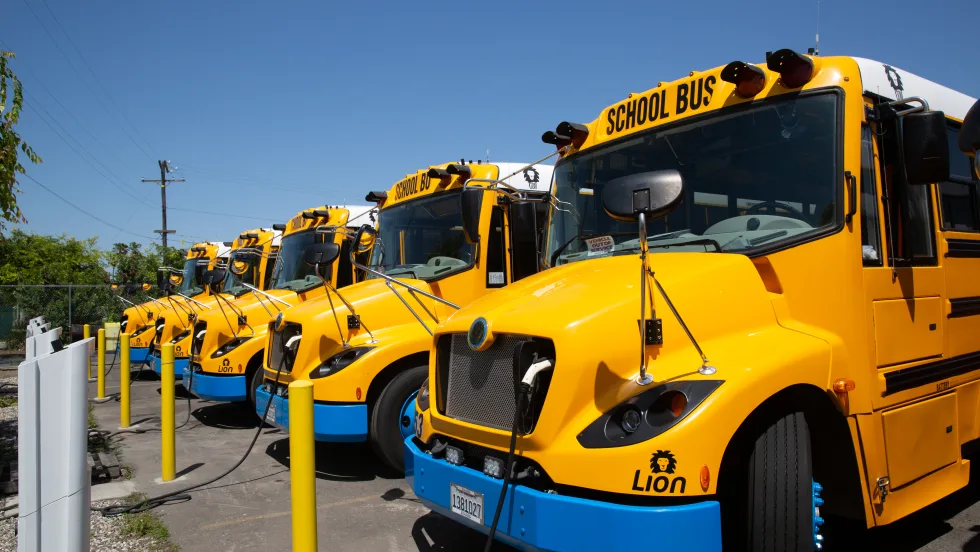
California School Children Ride in Green School Buses
Today, California prides itself on utilizing the most zero-emission (ZE) school buses in the country with over 1,689 being used by California school districts; and while the state is on a positive health trajectory thanks to a decree to eliminate gas and diesel vehicles, more work needs to be done to improve children’s well-being.
Read More →
Behind The Wheel of Childrens’ Safety Aboard the School Bus
Bus drivers are the primary caretakers of children during their commute and thus bear responsibility for their safety. By prioritizing proper operating procedures, maintenance checks, and additional precautions, drivers can help avoid the loss of precious young lives under their care.
Read More →