





Trip Sheet: Evolution of Seat Belt Laws on U.S. School Buses
More Tips for Buying Used School Buses
In SBF's October issue, a story covered tips on purchasing pre-owned school buses. Here, we share additional words of advice, including on vehicle titles and getting information at trade shows.
October 15, 2018
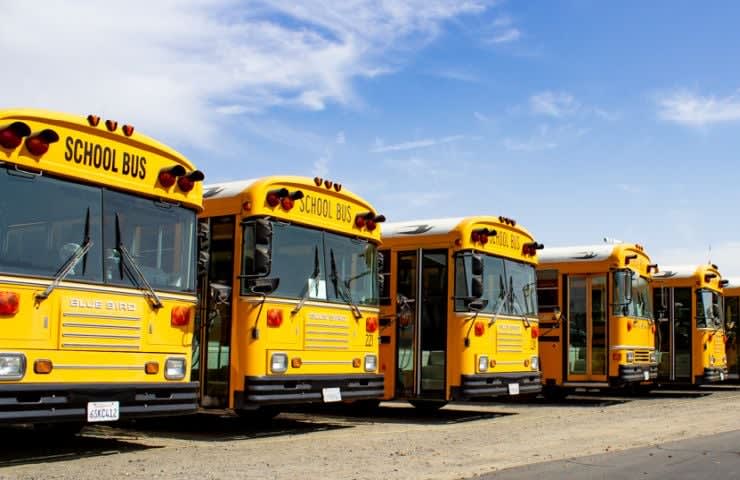
In SBF’s October issue, a story covered tips on purchasing pre-owned school buses. Here, we share additional words of advice, including on vehicle titles and getting information at trade shows. Shown here are some of A-Z Bus Sales' pre-owned school buses.
Photo: A-Z Bus Sales
3 min to read
In our October issue, we shared a story with some tips on buying used school buses from school bus dealers across the U.S. After publishing the story, we received some more insight on the issue from a school bus dealer in California.
Eddie Chavez, sales manager of the preowned bus division at A-Z Bus Sales in Colton, California, told School Bus Fleet that many customers are buying school buses pre-owned for two main reasons: they have not budgeted for new school buses within the fiscal year and have a need, and they do not have access to state funds for new buses.
In the initial story, we were able to include nearly a dozen steps on making the process easier, and we hope those were helpful. However, some additional pointers didn’t make it into the story. Those are listed below:
Get Informed Through State Shows
Richard Wolfington Jr., president of Wolfington Body Co. in Exton, Pennsylvania, who is also the president of the Pennsylvania School Bus Association, encourages those in the market for a pre-owned bus to attend their state school bus or school transportation trade shows to learn more about what’s available.
“Many times equipment is on display [at trade shows], and you’ll have a chance to talk to the people who sell that equipment, perhaps even see the differences in the kinds of equipment,” he explained. “Some people choose a different engine with a different horsepower [or] brake system. You might learn about geographical differences; going to a state show in Delaware, you might learn something different than in Pennsylvania or Ohio.”
Check All Parts in Mechanical Inspection
In the previous article, one of the recommended steps is for a used school bus shopper to bring a mechanic or pay a trusted mechanic to check out any buses they may buy. Tom Buhle, used bus sales manager at Midwest Transit Equipment in Lansing, Michigan, added that any inspection should find out whether all parts are in a condition that is consistent with the bus’ age.
“All areas of the bus need to be checked out — engine, transmission, electronic and chassis and steel components — to ensure they’re in reasonable condition matching the age of the bus.”
More Factors to Consider Before Buying
Before deciding to purchase a used bus, Chavez recommended keeping the following checklist of criteria:
Type of engine. Some engines, particularly diesel, are more costly to repair or rebuild, he said.
Fuel type. CNG tanks have expiration dates and some can cost $20,000 to replace. Diesel engines tend to have longer life cycles than CNG engines, he added.
Capacity. Be sure about the seat count needed for routes that require a certain capacity.
Shipping. The cost to ship a bus from one coast to another could cost $7,500 or more.
Maintenance. Ask whether the bus was fleet maintained or not, and whether the dealer offers extended warranties for used buses.
A clear title. “You do not want to buy a bus that has a lien on it,” Chavez said. “Do your due diligence to find out, even if you are buying from a dealer.”
Avoid Auctions
Finally, used school bus shoppers should choose a dealer or a broker rather than finding a bus at auction.
“Finding the right bus can be very stressful and time-consuming,” Chavez said. “If you are considering buying a used school bus at a public auction, you should ask yourself, why would a school bus be auctioned off if the [useful] life can be considerably long? Many times, fleets are getting rid of aged units that they no longer want and often have little use life left.”
Subscribe to Our Newsletter
More Blog Posts

The Sound of Summer Starting [Guest Editorial]
That unmistakable school bus rumble? It carries childhood memories, community routines, and a whole lot of unseen work behind the scenes.
Read More →
The Technology Power Combo That Enables EV Charging on Difficult Sites
As the pace of fleet electrification increases and charging infrastructure continues to pose challenges, many fleets find themselves puzzling over the question: how do I install charging infrastructure faster and more cost-efficiently?
Read More →
Trip Sheet: Farewell, Faithful Readers – Keep on Rolling
Executive Editor Wes Platt offers parting thoughts as he parks the School Bus Fleet bus to focus on ultra-local community journalism, making way for someone else to take the wheel as the pupil transportation industry continues to evolve.
Read More →
Trip Sheet: School Transportation Pros Can Champion Children's Mental Health
Children's Mental Health Awareness Day underscores the significance of school bus drivers in fostering supportive environments during students' journeys. SAMHSA's initiatives, including stigma reduction and access to resources, complement the Biden-Harris administration's funding efforts to enhance youth mental health services and workforce development.
Read More →
Trip Sheet: Is It Time for Daylight Saving Time to Clock Out?
How do you think the potential shift to permanent Daylight Saving Time or standard time would impact our daily lives and routines, especially considering the divided approach across various states?
Read More →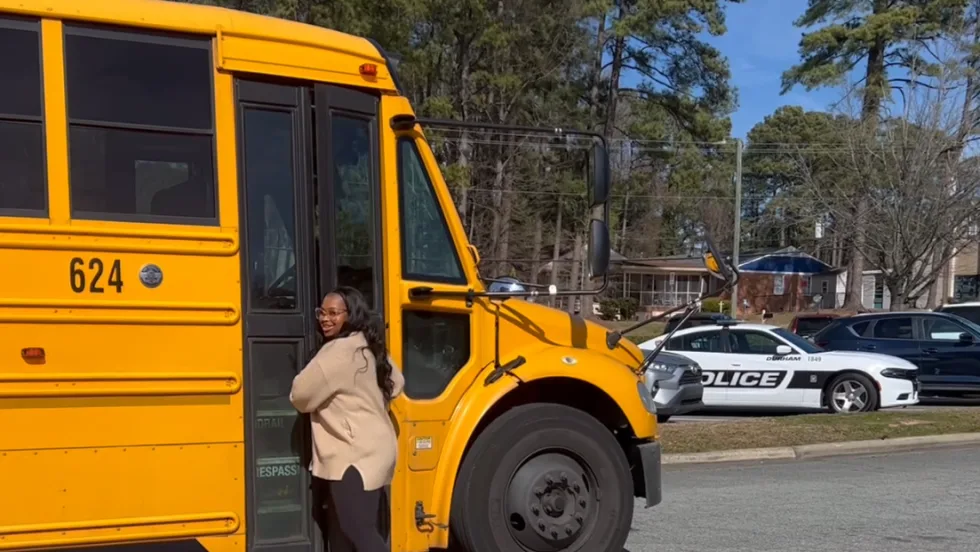
Trip Sheet: Meeting a Hero in My Own Back Yard
I remain impressed by the matter-of-fact heroism that’s often demonstrated by school bus drivers like Deona Washington who are caught in these situations where the best of us might lose our cool and panic. But, then again, bus drivers are a unique breed.
Read More →
Trip Sheet: 3 Takeaways from the EPA Clean School Bus Grant Program
Most applicants sought grant funding to acquire electric school buses, with propane coming in a distant second. No one indicated plans to purchase compressed natural gas (CNG) buses in this round. That’s not terribly surprising, I suppose, given how few school districts listed the inclusion of CNG buses in their fleets for our 2023 top district fleets survey.
Read More →
Trip Sheet: Let's Get Rolling: What's Coming in 2024?
Calendar pages keep flipping toward the mandates set in states like New York and California to transition their school bus fleets from diesel to zero-emission, but there’s plenty of reluctance and pushback.
Read More →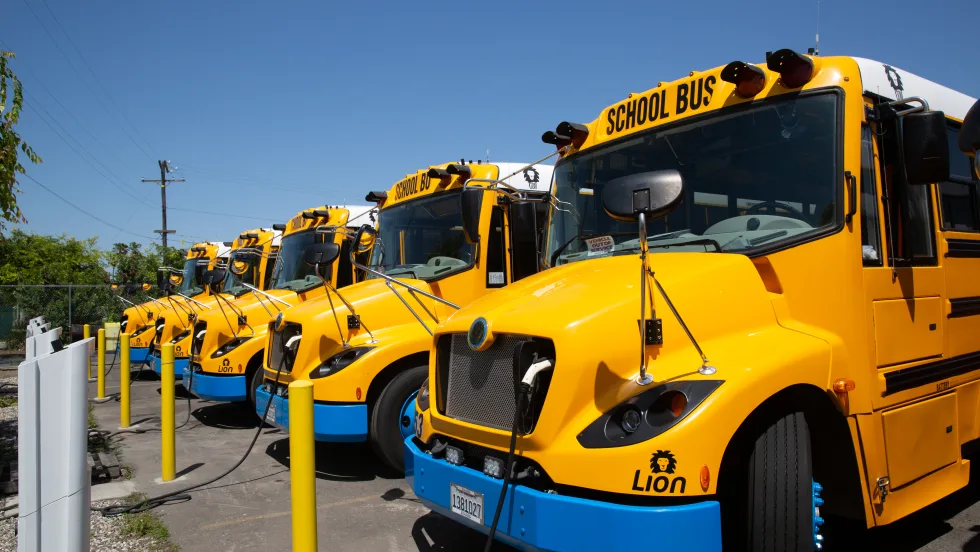
California School Children Ride in Green School Buses
Today, California prides itself on utilizing the most zero-emission (ZE) school buses in the country with over 1,689 being used by California school districts; and while the state is on a positive health trajectory thanks to a decree to eliminate gas and diesel vehicles, more work needs to be done to improve children’s well-being.
Read More →
Behind The Wheel of Childrens’ Safety Aboard the School Bus
Bus drivers are the primary caretakers of children during their commute and thus bear responsibility for their safety. By prioritizing proper operating procedures, maintenance checks, and additional precautions, drivers can help avoid the loss of precious young lives under their care.
Read More →