




Electrifying Buses: How to Speak Utility
Key topics to cover when adopting electric buses include finding out the type of utility you are dealing with, identifying your utility customer representative, and finding out whether you will incur demand charges.
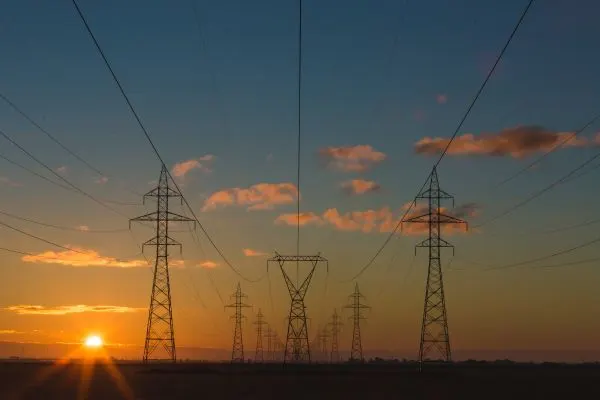
Save money by learning to speak the right language of those immersed in the energy world.
Photo by Matthew Henry via Unsplash
A version of the following post initially ran on June 25, 2019, on Alison Wiley’s LinkedIn page.
Fuel savings are a typical motive in moving from diesel-fueled buses to electric buses. Learning to speak utility can help secure those savings. As an advocate for electric buses, climate and improved community health are my motivators. But any reason to electrify is a good one.
What matters, I think, isn’t policy as much as what actually happens on the ground, including that disadvantaged communities, long forced to breathe the worst air, come first in reaping the benefits of electric buses.
On paper, the fuel savings in moving from diesel to electric are large. For example, TriMet, the public transit system in Portland, Oregon, estimates $400,000 in fuel savings over the lifecycle of an electric bus.
In practice, fuel savings can disappear, or even land a bus system upside down. In 2019, public transit system Regional Transportation District (RTD) in Denver, Colorado, paid 73 cents per mile to fuel its three dozen electric buses, as opposed to 46 cents per mile to fuel its diesel buses. Read on to learn why.
One way to help support fuel savings is for bus people to learn how to speak utility.
Here are some key questions to ask when getting started:
First, assuming you work for a transit agency or school bus fleet, what type of utility are you talking with? Are you talking with an investor-owned utility (IOU)? In Oregon, my home state, you’ll be talking with an IOU if your bus yard pays its electricity bill to PacifiCorps (Pacific Power) or Portland General Electric (PGE).
IOUs are in business to make a profit, just like diesel vendors. IOUs are regulated (constrained), though, by the Public Utilities Commission (PUC).* This regulatory environment compels the IOUs, for example, to keep energy rates affordable and to grow the ratio of clean renewable energy in their mix over time.
In Oregon, SB 1647 requires IOUs to help the state electrify its transportation system. Hence, programs like PGE’s electric school bus (ESB) pilot program that has put Oregon’s first ESBs onto the road. SB 1044 furthers earlier goals set for electrifying Oregon’s transportation system.
In contrast to IOUs, public utility districts (PUDs) and municipal energy suppliers are not for profit. If your bus yard pays its energy bill to one of these, realize these have a local focus, and answer to a local board rather than the state’s PUC. They try to keep energy prices low for customers. They may or may not be doing anything yet to clean up and decarbonize their energy mix or support electrified transportation. (You could encourage them to do these things!)
“Who is my utility customer rep? When can she/he come out for a chat?” These are great questions to ask when getting your first couple of electric buses is just a thought in your mind. As in most new relationships, there will be lots to talk about.
The connection you have had with your utility around powering your lights and office equipment has probably been one of nodding acquaintances, with neither party being challenged or having much at stake. Fueling your buses with electricity has more challenges, and much higher stakes.
“Will you give us a holiday from demand charges?” Demand charges are the key vocabulary term around fuel savings. Eighty-two percent of RTD’s high electricity costs to fuel its buses (see above) are due to demand charges.
Time-of-use rates matter and need to be discussed with your utility, but demand charges are the make-or-break conversation between bus organizations and the utilities.
Utilities levy demand charges on customers based on the largest (peak) amount of energy the customer uses in a month. This lets them manage energy load and meet their capacity needs.
The higher/faster the level of your bus charging, the more you need to concern yourself with demand charges. Level 2 charging (slow trickles of electricity) probably won’t incur them. Direct/fast charging or lots of electric buses probably will.
Bus organizations need to have no demand charges, or minimal ones, to get the fuel savings they need to offset the high purchase costs of their electric buses. That can be hard for utilities. But in California, Southern California Edison and Pacific Gas and Electric (both IOUs) are pulling this off.
New to doing serious business together, bus organizations and utilities have everything to gain from learning to speak each other’s language. Given that we’ve got one shared climate, we all have a lot to gain from them partnering successfully.
*Regulation of electric companies makes good sense to me in that all energy comes from the natural world, whether rivers, fossil fuels, wind, or sun. I see natural resources as public commons that must serve the public good, both current and future generations.

Photo: Alison Wiley
About the Author: Alison Wiley is an Oregon-based transportation electrification professional. She is the founder and manager of the Electric Bus Learning Project, which helps bus fleets make the transition from diesel to electric.
More Blog Posts

'I’m a School Bus Driver, You Can Trust Me'
A crowded Cleveland parking lot, a full-size pickup, and five unexpected words turned a stressful moment into a reminder of just how much trust we place in school bus drivers every day.
Read More →
The Sound of Summer Starting [Guest Editorial]
That unmistakable school bus rumble? It carries childhood memories, community routines, and a whole lot of unseen work behind the scenes.
Read More →
The Technology Power Combo That Enables EV Charging on Difficult Sites
As the pace of fleet electrification increases and charging infrastructure continues to pose challenges, many fleets find themselves puzzling over the question: how do I install charging infrastructure faster and more cost-efficiently?
Read More →
Trip Sheet: Farewell, Faithful Readers – Keep on Rolling
Executive Editor Wes Platt offers parting thoughts as he parks the School Bus Fleet bus to focus on ultra-local community journalism, making way for someone else to take the wheel as the pupil transportation industry continues to evolve.
Read More →
Trip Sheet: School Transportation Pros Can Champion Children's Mental Health
Children's Mental Health Awareness Day underscores the significance of school bus drivers in fostering supportive environments during students' journeys. SAMHSA's initiatives, including stigma reduction and access to resources, complement the Biden-Harris administration's funding efforts to enhance youth mental health services and workforce development.
Read More →
Trip Sheet: Is It Time for Daylight Saving Time to Clock Out?
How do you think the potential shift to permanent Daylight Saving Time or standard time would impact our daily lives and routines, especially considering the divided approach across various states?
Read More →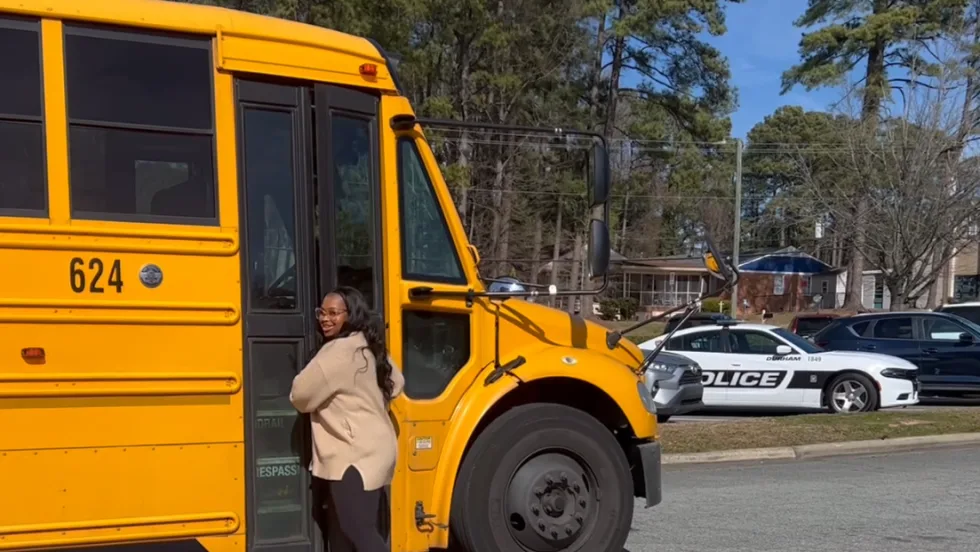
Trip Sheet: Meeting a Hero in My Own Back Yard
I remain impressed by the matter-of-fact heroism that’s often demonstrated by school bus drivers like Deona Washington who are caught in these situations where the best of us might lose our cool and panic. But, then again, bus drivers are a unique breed.
Read More →
Trip Sheet: 3 Takeaways from the EPA Clean School Bus Grant Program
Most applicants sought grant funding to acquire electric school buses, with propane coming in a distant second. No one indicated plans to purchase compressed natural gas (CNG) buses in this round. That’s not terribly surprising, I suppose, given how few school districts listed the inclusion of CNG buses in their fleets for our 2023 top district fleets survey.
Read More →
Trip Sheet: Let's Get Rolling: What's Coming in 2024?
Calendar pages keep flipping toward the mandates set in states like New York and California to transition their school bus fleets from diesel to zero-emission, but there’s plenty of reluctance and pushback.
Read More →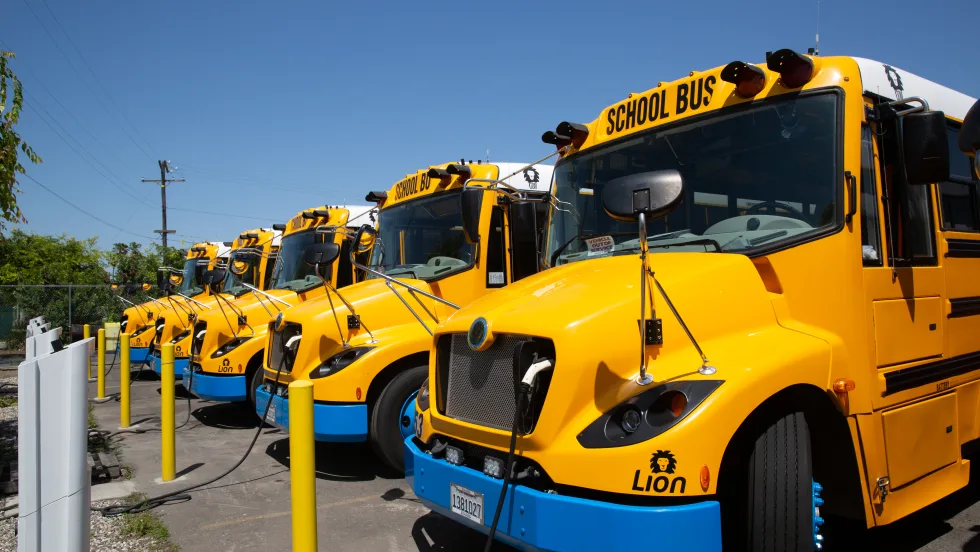
California School Children Ride in Green School Buses
Today, California prides itself on utilizing the most zero-emission (ZE) school buses in the country with over 1,689 being used by California school districts; and while the state is on a positive health trajectory thanks to a decree to eliminate gas and diesel vehicles, more work needs to be done to improve children’s well-being.
Read More →