




3 Lessons Learned During My First Year
It’s hard to believe I’ve already been at the wheel of School Bus Fleet for a year. A lot of the job has been drinking from the firehose of information – the alphabet soup of associations, the different types of buses, the varieties of equipment, the manufacturers, the rules and regulations. I’ve taken in a lot, but there’s so much more to absorb and process.


Image: Canva
It’s hard to believe I’ve already been at the wheel of School Bus Fleet for a year. A lot of the job has been drinking from the firehose of information – the alphabet soup of associations, the different types of buses, the varieties of equipment, the manufacturers, the rules and regulations. I’ve taken in a lot, but there’s so much more to absorb and process. Let’s consider some of the highlights of my education during this enterprising first year.
Sometimes a Rebate Isn’t a Rebate
Among the schooling I’ve received from readers is that I don’t know everything about rebates. Most of my life, I’ve understood that rebates work like this: You buy something, you provide proof of purchase, and you get money back. In a recent editor’s note, I raised concerns about school districts showing reluctance to jump into the Environmental Protection Agency’s Clean School Bus Program with both feet because they might not want to pay up front for an electric bus and then wait for the federal government to write them a check.
One reader tried to set me straight:
“It is my understanding that the rebate program will provide funding to districts when the district submits a purchase order for the electric school bus. That means the school district will not be spending its money up front and waiting for reimbursement. Once a rebate award is made to a school district, EPA will provide purchase funds upon receipt of an official purchase order. EPA will fund based on a commitment to buy, not reimbursing locally spent funds.”
They're right about the process, but here’s the thing: An electric school bus and its charging infrastructure can run more than $400,000. Prioritized school districts under the EPA program get a maximum of $375,000 per electric bus. The EPA won’t cover anything above that line. If your district isn’t prioritized, the most you might get per bus is $275,000. Thus: yes, the EPA funds might come before the final bill is due, but it might not cover the full cost when that time comes. For cash-strapped school districts, that’s still a potential hurdle to adopting this technology.
Consider me better educated, but undaunted in my suspicion that the cost can still turn off school districts.
Change is Scary
Beyond cost concerns, school bus fleet electrification faces pushback from district technicians who don’t want to retool their shops or train mechanics to handle a mix of zero-emission electric or internal-combustion engine buses. Personally, I’m in favor of transportation technology that does less harm to the environment, but I can sympathize with anyone who sees a shift to electric school buses as too disruptive.
Tips & Advice: How and When to Buy a Used School Bus
It may be inevitable that these new technologies are embraced from Los Angeles to Omaha to Durham. But how soon largely depends on cost parity between electric and diesel vehicles, more reliable supply chains allowing faster production, and easier access to training. A report from the nonprofit Diesel Technology Forum indicates that – as of December 2021 – 91% of the 500,000 school buses on the road in the United States run on diesel fuel. Electric doesn’t even come in at 1% yet. We’ll see what impact the Clean School Bus Program has on those numbers.
Pupil Transportation is a Small World
We cover the United States, Canada, even the U.S. territories, from Modesto City Schools to Bangor Public Schools. Major manufacturers build school buses from California and Oklahoma to North Carolina and Illinois to – very soon – West Virginia. But as sprawling as this industry can sometimes feel, it also feels rather small and interconnected. No matter where a bus is built, or where it rolls, it needs safety equipment, sanitization gear, effective tires, telematics that come from a familiar coterie of vendors that you’ll find advertising in this magazine.
Connections within this small world are critical. I feel like I’ve had a slow and steady introduction to the pupil transportation industry while working from home. Thanks to everyone who’s responded to my nagging emails and occasional phone calls. But I really enjoyed my first in-person adventure with the team from the National School Transportation Association, which held its annual conference in Niagara Falls. School Bus Fleet was the event’s media partner and it was great to hear from folks in attendance about how this magazine can better serve its readers.
Even if you didn’t attend, I want to hear from you. Don’t hesitate to reach out – even if it’s to correct my confusion!
Check Out: The Route on YouTube - and Subscribe!
More Blog Posts

The Sound of Summer Starting [Guest Editorial]
That unmistakable school bus rumble? It carries childhood memories, community routines, and a whole lot of unseen work behind the scenes.
Read More →
The Technology Power Combo That Enables EV Charging on Difficult Sites
As the pace of fleet electrification increases and charging infrastructure continues to pose challenges, many fleets find themselves puzzling over the question: how do I install charging infrastructure faster and more cost-efficiently?
Read More →
Trip Sheet: Farewell, Faithful Readers – Keep on Rolling
Executive Editor Wes Platt offers parting thoughts as he parks the School Bus Fleet bus to focus on ultra-local community journalism, making way for someone else to take the wheel as the pupil transportation industry continues to evolve.
Read More →
Trip Sheet: School Transportation Pros Can Champion Children's Mental Health
Children's Mental Health Awareness Day underscores the significance of school bus drivers in fostering supportive environments during students' journeys. SAMHSA's initiatives, including stigma reduction and access to resources, complement the Biden-Harris administration's funding efforts to enhance youth mental health services and workforce development.
Read More →
Trip Sheet: Is It Time for Daylight Saving Time to Clock Out?
How do you think the potential shift to permanent Daylight Saving Time or standard time would impact our daily lives and routines, especially considering the divided approach across various states?
Read More →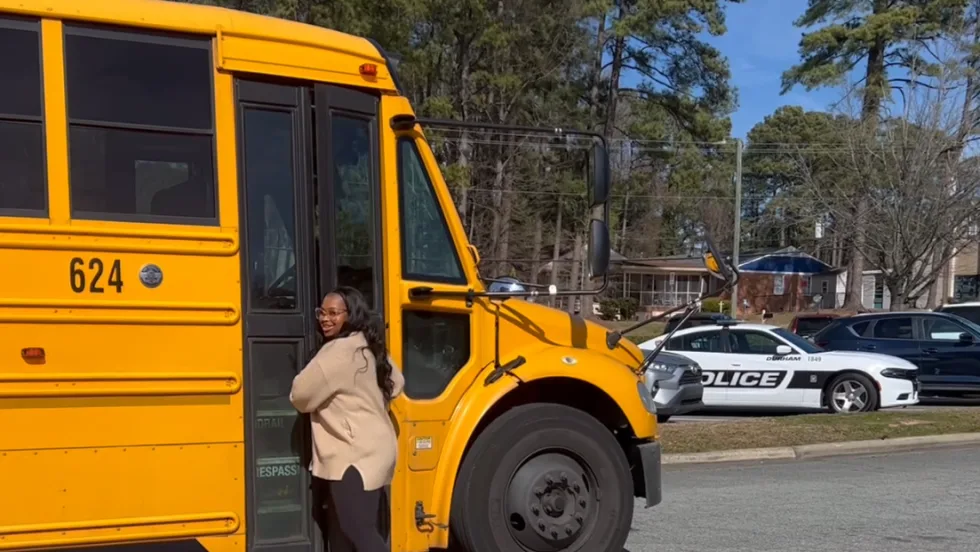
Trip Sheet: Meeting a Hero in My Own Back Yard
I remain impressed by the matter-of-fact heroism that’s often demonstrated by school bus drivers like Deona Washington who are caught in these situations where the best of us might lose our cool and panic. But, then again, bus drivers are a unique breed.
Read More →
Trip Sheet: 3 Takeaways from the EPA Clean School Bus Grant Program
Most applicants sought grant funding to acquire electric school buses, with propane coming in a distant second. No one indicated plans to purchase compressed natural gas (CNG) buses in this round. That’s not terribly surprising, I suppose, given how few school districts listed the inclusion of CNG buses in their fleets for our 2023 top district fleets survey.
Read More →
Trip Sheet: Let's Get Rolling: What's Coming in 2024?
Calendar pages keep flipping toward the mandates set in states like New York and California to transition their school bus fleets from diesel to zero-emission, but there’s plenty of reluctance and pushback.
Read More →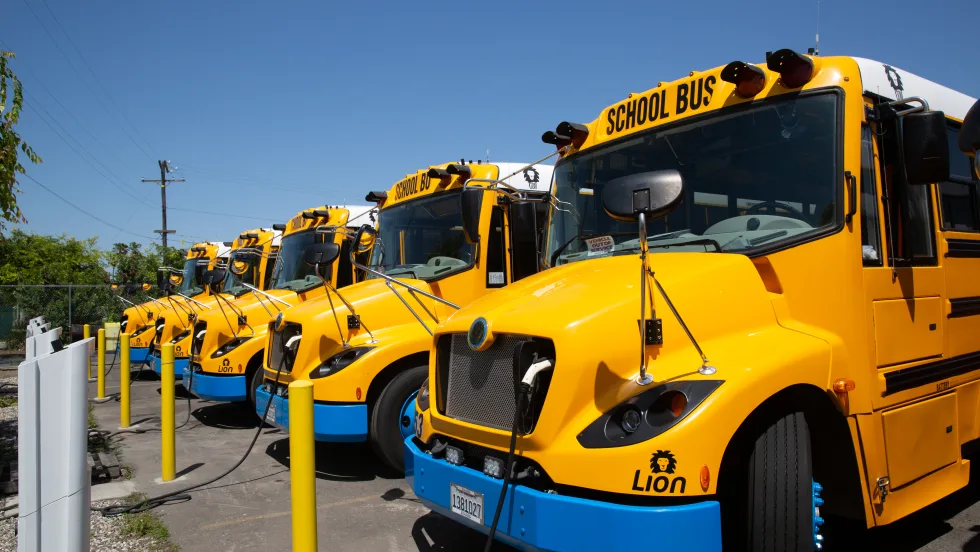
California School Children Ride in Green School Buses
Today, California prides itself on utilizing the most zero-emission (ZE) school buses in the country with over 1,689 being used by California school districts; and while the state is on a positive health trajectory thanks to a decree to eliminate gas and diesel vehicles, more work needs to be done to improve children’s well-being.
Read More →
Behind The Wheel of Childrens’ Safety Aboard the School Bus
Bus drivers are the primary caretakers of children during their commute and thus bear responsibility for their safety. By prioritizing proper operating procedures, maintenance checks, and additional precautions, drivers can help avoid the loss of precious young lives under their care.
Read More →