


Kelly Aguinaldo
Managing Editor
 MENU
MENU SEARCH
Managing Editor
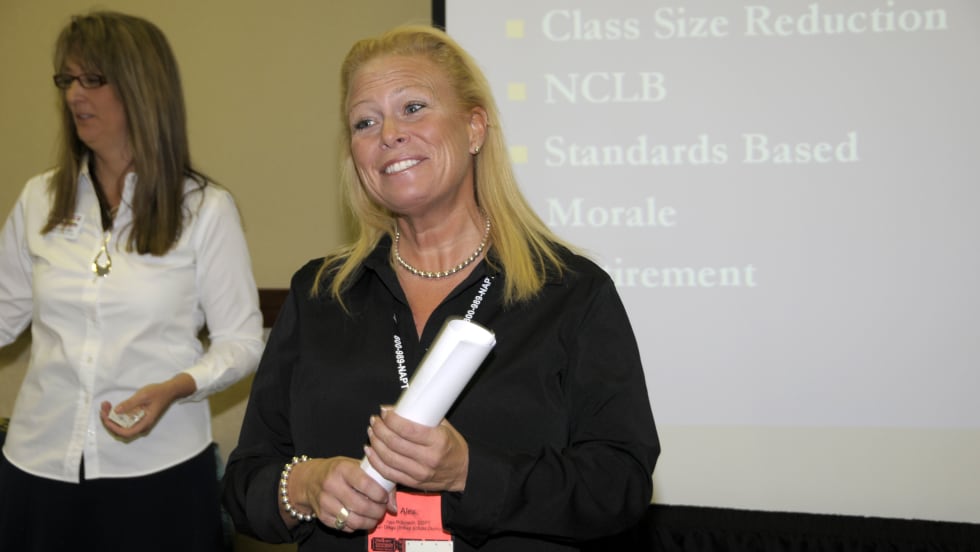
At this year's conference in Cincinnati, Alexandra Robinson will become president of the National Association for Pupil Transportation. Her goals include analyzing the link between student achievement and access to school bus service, and maintaining and growing the industry's pool of strong leaders.
Read More →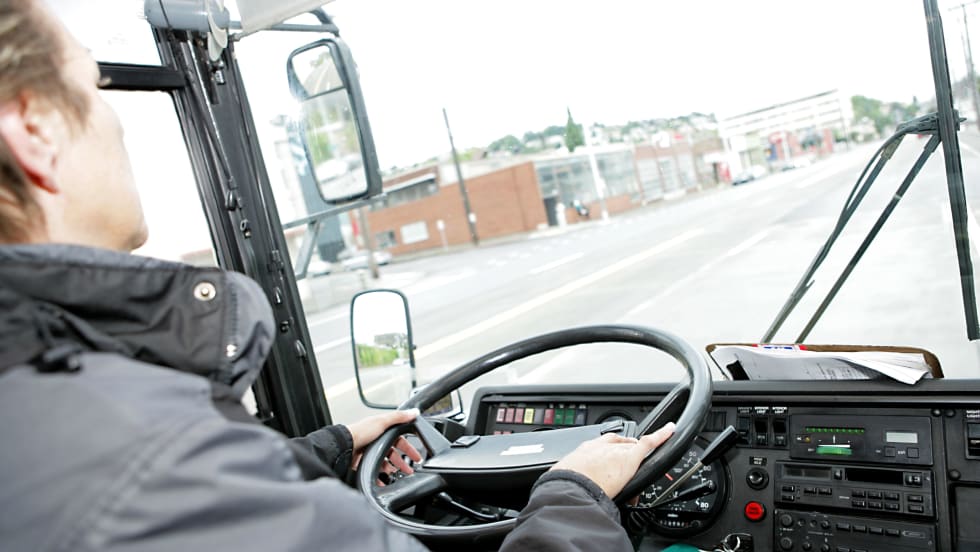
Officials say it is important to conduct both federal and state checks, as well as monitor applicants’ driving records. Pupil transporters discuss their operations’ hiring policies and procedures, which include contacting previous employers, and also share suggestions on ways the industry could protect itself against undesirable candidates who move from state to state.
Read More →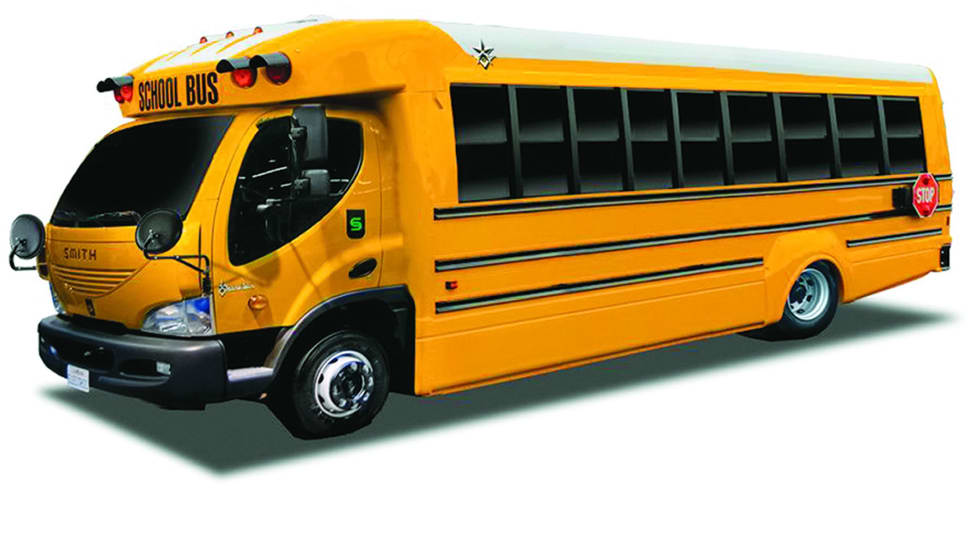
The Type A school bus manufacturer’s 42-passenger eTrans unit will feature a zero-emissions chassis, a regenerative braking system and the ability to travel 100 to 130 miles per charge. The bus is scheduled to debut at this year’s National Association for Pupil Transportation conference and to go into production next year.
Read More →
I recently heard the harrowing story of Jaycee Dugard’s life for nearly two decades after she was abducted from a school bus stop in South Lake Tahoe, Calif., in 1991 by convicted sex offender Phillip Garrido and held captive in the backyard of his home. This got me thinking about what school districts can do to maximize student safety at bus stops.
Read More →
Chicago Public Schools’ Bureau of Student Transportation Services is developing a request for proposal to upgrade the system. Officials say that the system’s components will be integrated in four phases, with the end product incorporating all of the bureau’s business and routing functions, as well as GPS capabilities.
Read More →
Bus companies and school district transportation departments are making $50,000 to more than $2 million through such efforts as inter-district service, school bus ridership fees and bus advertising. Here, officials discuss the specifics of these programs and other work that brings in extra money.
Read More →
Pupil transporters discuss practices they have established toward this effort, such as assigned seating. They also address the importance of creating policies on eating and drinking and transporting backpacks and instruments, as well as ways to reduce noise inside the bus.
Read More →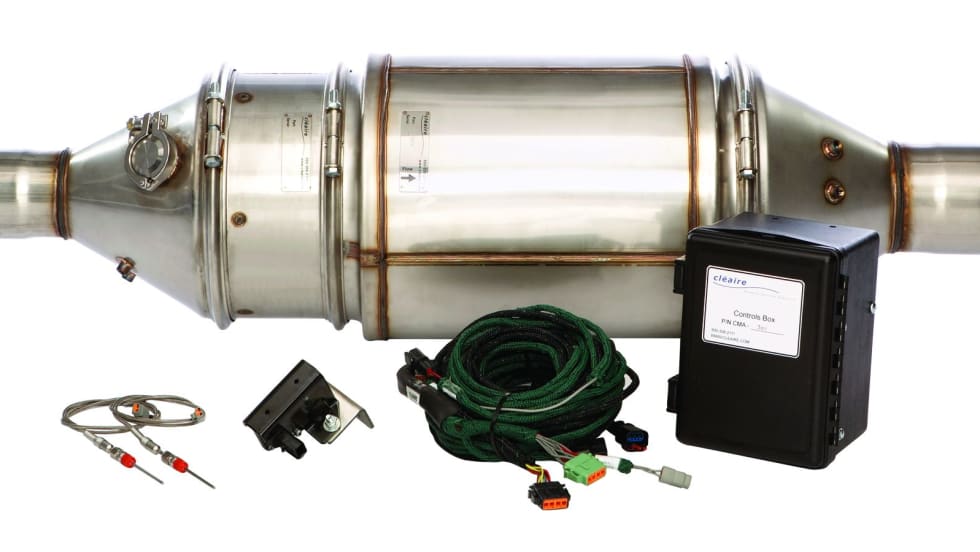
From diesel particulate filters to diesel oxidation catalysts to crankcase filtration systems to a hybrid system, there are numerous products available to the industry. Their emission-reduction capabilities range from 20 to more than 90 percent, and they can be applied to a variety of engines and school buses.
Read More →
Pupil transporters discuss the policies and procedures they have established at their operations to keep students and staff members safe. They also share the training resources they utilize, including state associations, First Observer and courses offered by FEMA.
Read More →Industry professionals say that having special-needs students ride regular-education routes can be cost effective and help the students learn self-advocacy.
Read More →