




Target bus stop dangers
I recently heard the harrowing story of Jaycee Dugard’s life for nearly two decades after she was abducted from a school bus stop in South Lake Tahoe, Calif., in 1991 by convicted sex offender Phillip Garrido and held captive in the backyard of his home. This got me thinking about what school districts can do to maximize student safety at bus stops.

This summer, I heard the harrowing story of Jaycee Dugard’s life for nearly two decades after she was abducted from a school bus stop in South Lake Tahoe, Calif., in 1991 by convicted sex offender Phillip Garrido and held captive in the backyard of his home.
This got me thinking about what school districts can do to maximize student safety at bus stops.
Sexual predator awareness is vital
Max Christensen, executive officer of school transportation at the Iowa Department of Education, suggests keeping bus stops away from areas that sexual predators and sex offenders might find inviting. Knowing where they live in relation to where you might place bus stops — which involves having access to a database of sex offenders in your area — is also important.
Dr. Duane Dobbert, a criminal forensics studies professor at Florida Gulf Coast University in Fort Myers, and a fellow of the American College of Forensic Examiners, offers a program called “School Bus Drivers: The 1st Line of Defense Against Child Sexual Predators.” In the program, he explains the difference between a sexual predator and a sex offender and discusses what school bus drivers should do if they see a suspicious person at a bus stop or school site.
“Carry a notepad and jot down the day, date, time and information pertaining to the person and his or her vehicle, and turn it in to the transportation director,” Dobbert recommends. “If you are particularly concerned about a situation, call your dispatcher and have him or her call law enforcement.”
(For more information about Dobbert’s program, go here.)
Ensure students can be seen
Walking to bus stops before the sun comes up can be dangerous. In 2009, Timothy Wysong, transportation director at Eanes Independent School District in Austin, Texas, addressed this by starting the “Be Seen, Be Safe” campaign. Round, flashing 2-inch LED lights were distributed to elementary school students for them to wear on the morning walk to their bus stops.
The campaign is still in place, and Wysong’s operation is now focusing on distributing the lights to students in kindergarten through third grade.
“We feel like they’re at the biggest risk,” he explains. “We’re also adding stop-arm cameras to our buses this year, and we’ve added an LED sign to the back of the buses that gives motorists a warning when our buses are preparing to stop — it changes to ‘Do Not Pass.’”
Establish safe walking routes
Christensen also recommends reviewing the path that kids take to get to and from a bus stop.
“Though legally transportation operators aren’t required to look at how kids get to the bus stop, we really should look at this issue as a matter of public service to help keep our kids safe both before and after they get on or off the school bus,” he says.
In Iowa, many districts work closely with the state’s Safe Routes to School coordinator to establish safe walking routes to school bus stops.
“Another initiative is training our school bus drivers to be aware of the danger zone and potential hazards at every bus stop,” Christensen says. “An added component to our training this year is the inclusion of School Bus First Observer.”
More Safety
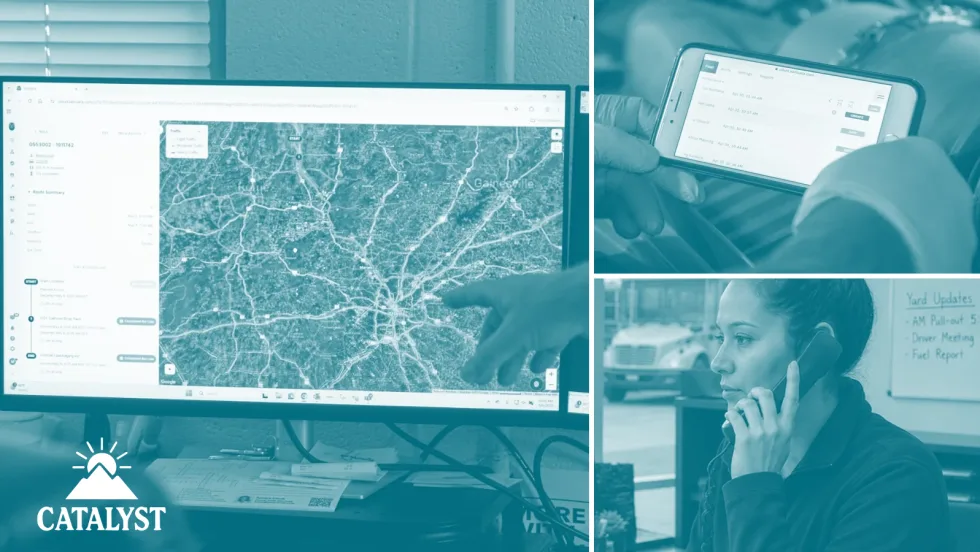
From Reactive to Proactive: Making Every Ride Visible
Smart technology only delivers its full value when it works together. See how Catalyst connects proven industry platforms to move student transportation from reactive to proactive.
Read More →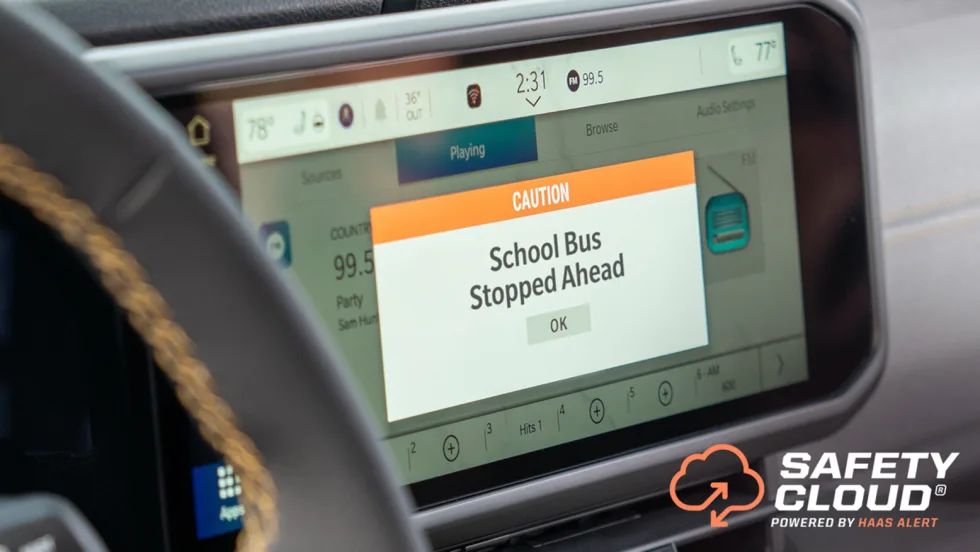
HAAS Alert’s Safety Cloud Warns Motorists of Stopped School Buses
Through a transponder or Samsara connection, the product lets school bus fleets send advance warnings to approaching drivers through in-vehicle alerts.
Read More →
HopSkipDrive Reports Progress on Safety Advisory Council
More than a year after forming the council, independent safety experts have helped shape new rider-safety features and policy progress, with a new goal to address rider behavior.
Read More →
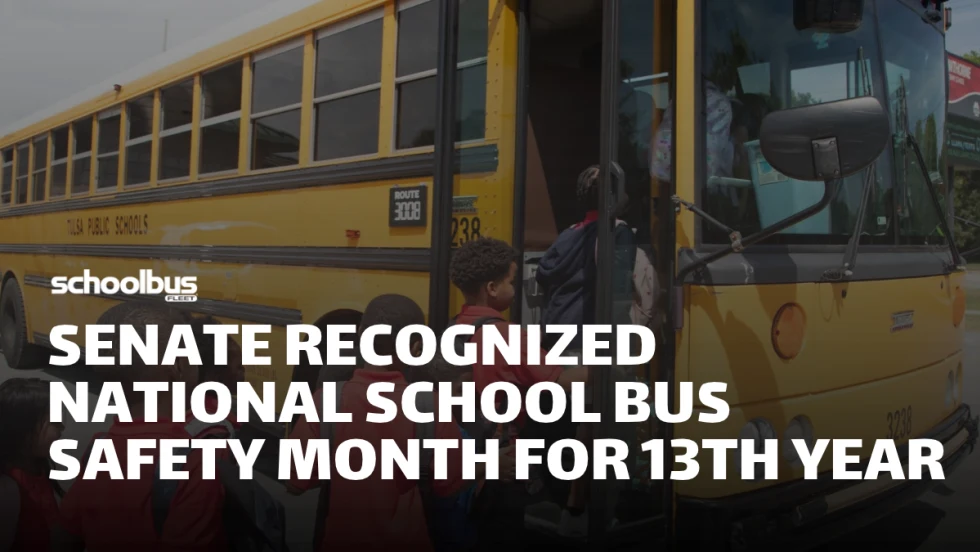
What the 2026 National School Bus Safety Month Resolution Means for Student Transportation
The bipartisan resolution highlights illegal school bus passing, student safety during loading and unloading, and the need for driver training and public education.
Read More →
School Bus Stop-Arm Violations Decline 53% Across Verra Mobility Programs
Verra Mobility shares how school bus stop-arm cameras and school zone safety programs are changing driver behavior, reducing violations, and protecting students.
Read More →
Most Bus Crashes Aren’t Your Fault. Here’s How to Prove It.
A guide for what to do in between a school bus crash and a claim: what to preserve, who to notify, and how to keep the facts available when they matter.
Read More →
National School Bus Safety Week 2026: Tips, Toolkits & Resources to Keep Students Safe
School bus safety takes more than awareness. Explore expert tips, enforcement strategies, and free resources to help protect students on every ride.
Read More →
2 Killed, Dozens Injured in Florida School Bus Crash
A multi-vehicle collision caused a Polk County school bus carrying 37 students to overturn on its way to Winter Haven High School.
Read More →
Illegal School Bus Passing Drops 24% in New York Districts
With fewer than 5% of citations involving repeat offenders, Westchester County officials said enforcement, education, and community partnerships are helping change driver behavior.
Read More →
School's Back. Here's What Happened to Traffic, Speeding & Distraction
What happens to traffic when school resumes? New data analysis examines changes in distracted driving, congestion, and speeding around schools.
Read More →