



Kelly Aguinaldo
Managing Editor
 MENU
MENU SEARCH
Managing Editor

From fueling training to regular tank inspection to a properly equipped maintenance facility, there are many factors to consider when operating school buses on propane autogas and compressed natural gas to ensure employees’ well-being. Industry officials discuss these and other components, along with the built-in safety features of some of today’s buses.
Read More →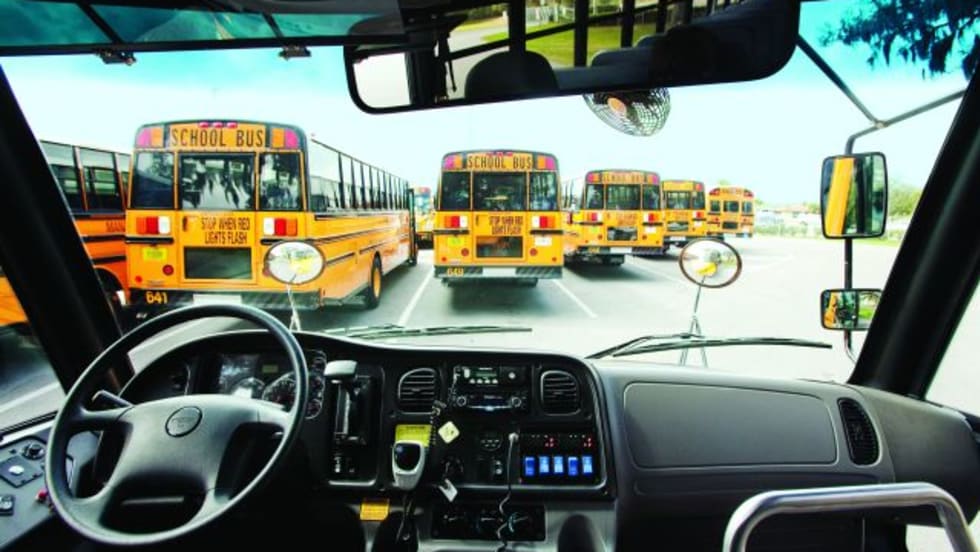
The collaborative atmosphere at the School District of Manatee County’s transportation department ensures that everyone works together to do their jobs efficiently, minimizing unnecessary expenditures. A combination of factors, including providing ongoing driver instruction to help them operate new buses that have been purchased, has saved the district about $400,000.
Read More →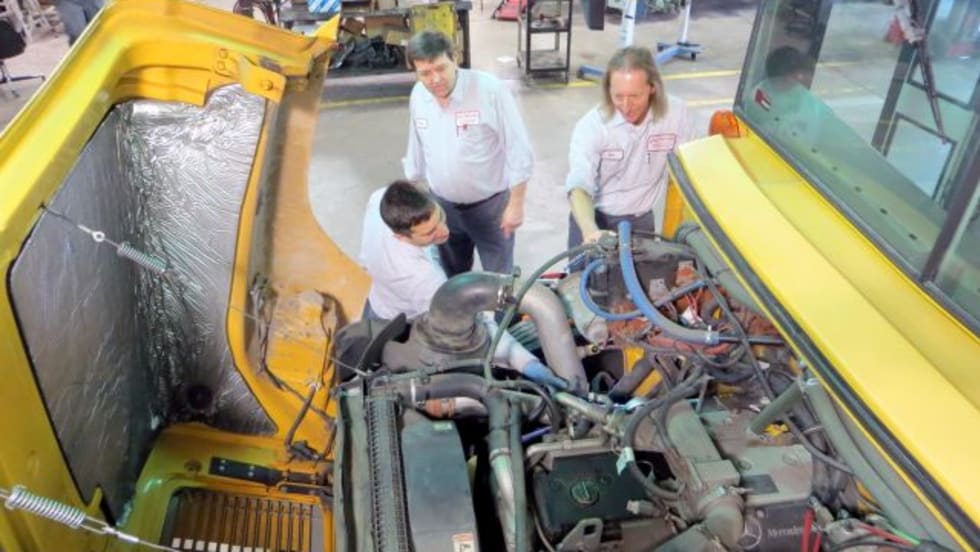
Tech-to-tech instruction and partnering with neighboring school districts for training exercises provide easy opportunities to develop employees’ skills and knowledge. Having good equipment and taking advantage of resources available through state pupil transportation associations are also worthwhile.
Read More →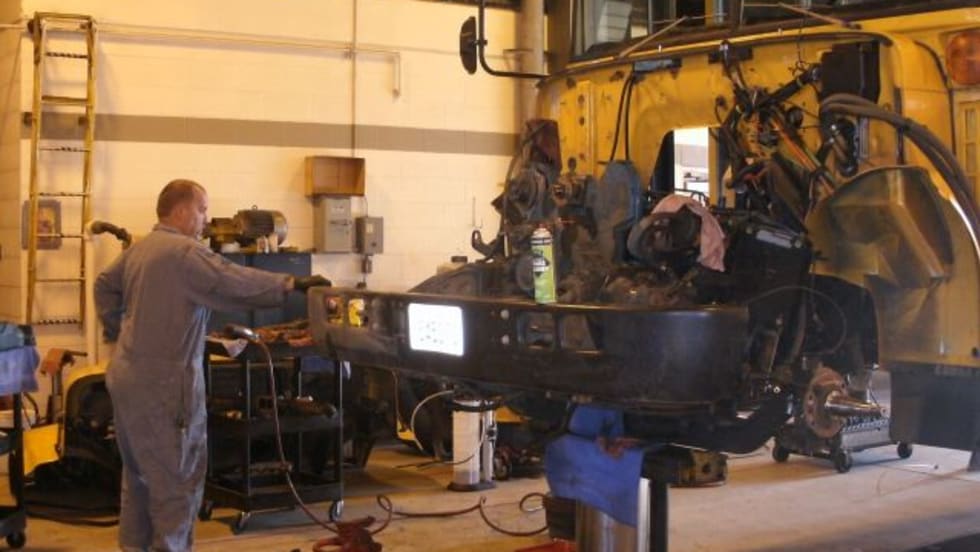
Officials from transportation cooperatives around the country also say that they can lead to consistency in employee training and hiring, and managing and scheduling bus routes for districts. Officials discuss factors to consider when forming a cooperative, as well as potential challenges and ways to resolve them.
Read More →
At this year’s NASDPTS and NAPT conferences, speakers are scheduled to discuss such topics as advanced school bus design, performance-based management and transportation safety trends. NAPT workshops will cover social media and other interesting issues, and the association’s conference will feature a revamped awards banquet and a two-day trade show.
Read More →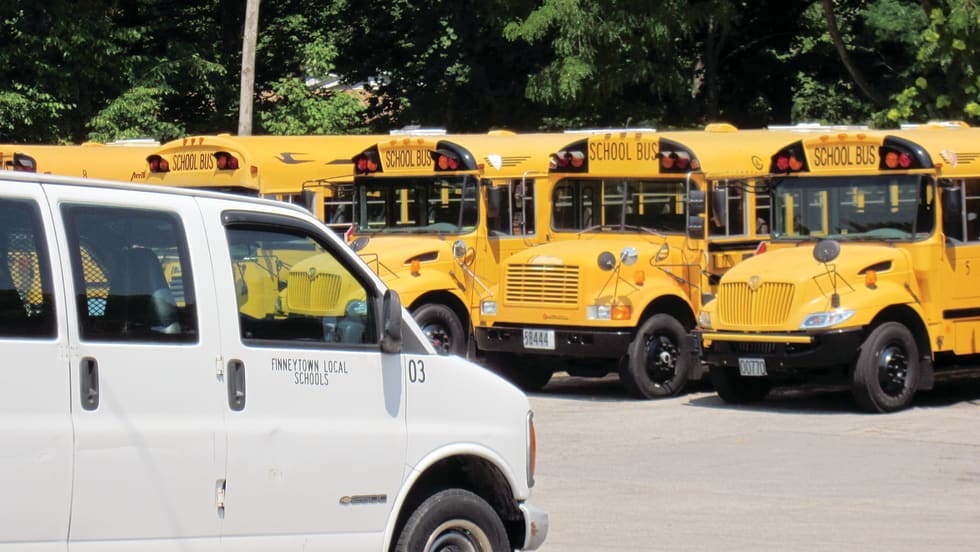
Winton Woods City School District and Finneytown Local School District in Cincinnati share their transportation services, including buses, routes and fueling stations. In sharing special-education service alone, the operations have each saved about $25,000.
Read More →
While surveillance cameras and assigned seating can help in addressing student behavior problems on the school bus, officials say that getting to know passengers, handling discipline issues in a positive way and acknowledging proper bus etiquette are also effective ways to keep troublesome behavior at bay. Here, we share the specifics of several programs and initiatives based on these approaches.
Read More →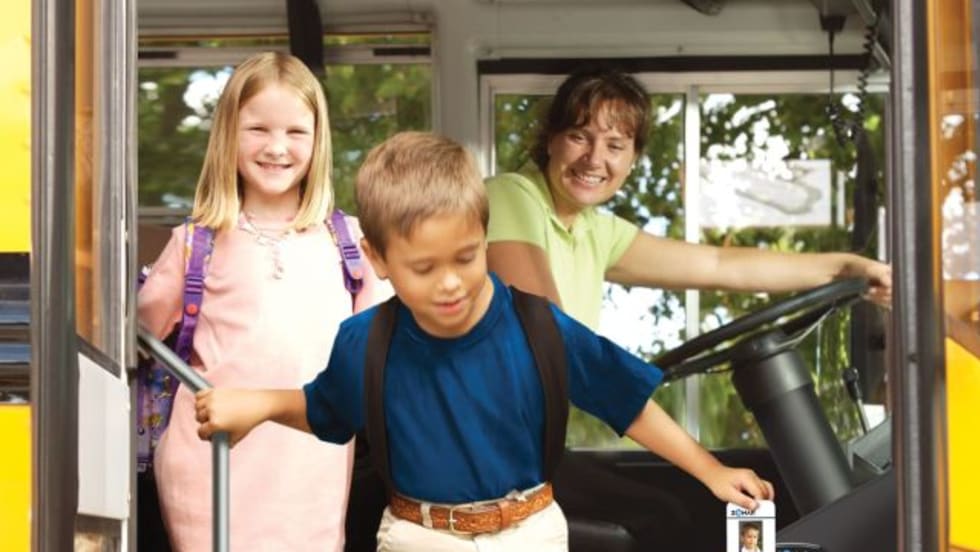
Today’s solutions tell pupil transporters where and when students boarded and disembarked the bus. Officials from companies that offer the solutions say that having this information can help in answering parent inquiries, and by knowing how many buses are needed for transportation, operations can optimize routes.
Read More →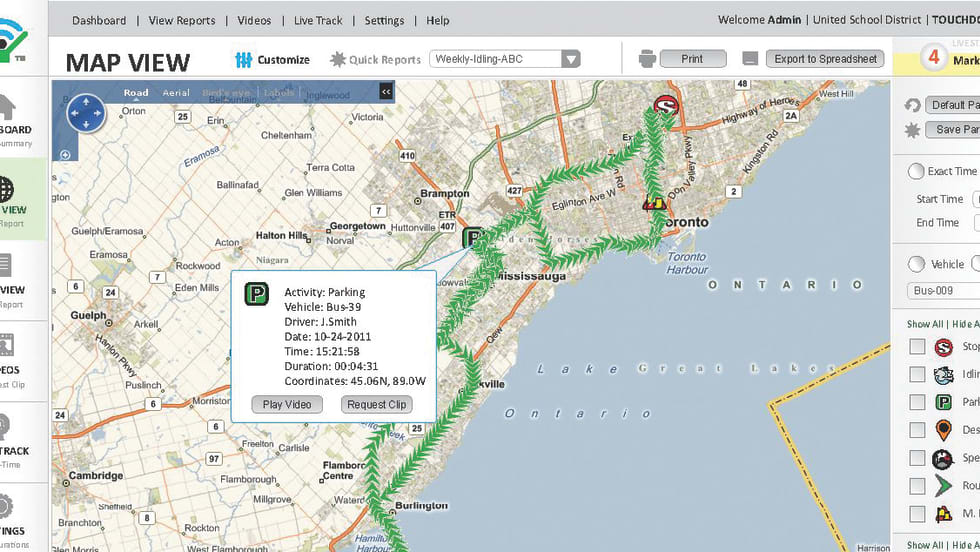
Today’s systems for the pupil transportation market allow end users to monitor the location of their operation’s buses, and they can help in performing many other functions, such as route analysis and monitoring driver speed and idling.
Read More →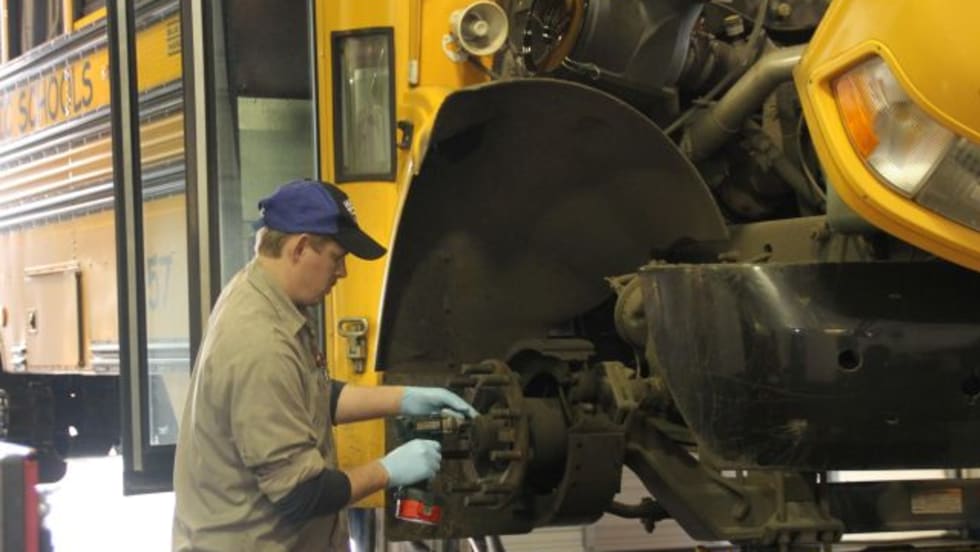
Pupil transporters say that technicians should have a desire to learn, and they discuss methods and resources for instruction. They also say that employee communication, a strong preventive maintenance program and performance benchmarking are essential to achieving well-maintained school buses.
Read More →