




Yellow bus industry: a tried and true system
Executive Editor Thomas McMahon shares his thoughts on what may cause some parents to avoid having their children ride school buses, but points to the industry's success and the need to inform those parents of the industry's unrivaled safety record.

"Helicopter parents" aren't nearly as exciting as the name suggests.
Our sons would love it if my wife and I literally flew around in choppers instead of driving sensible family cars. But if they were old enough to use the Internet, Wikipedia would inform them that "helicopter parent" signifies a level of scrutiny that would make most kids shudder.
The popular term is defined as "a parent who pays extremely close attention to his or her child's or children's experiences and problems, particularly at educational institutions."
While I don't relish the thought of ever being considered a helicopter parent, I can certainly relate to the feeling of wanting to have some level of control over everything your kids are involved in — especially when it involves their safety.
I think about the day when my boys will have the option of riding a school bus to school. While I'm well aware that the statistics show that the yellow bus is the safest form of school transportation, the thought of letting someone I don't know drive my sons is, to be honest, a little scary.
This raises a pertinent question: Do some parents decline the school bus because they feel it's safer for their kids to ride with Mom, Dad or someone they know?
In the book Freakonomics, author Steven Levitt and Stephen Dubner describe Peter Sandman's "control" principle. "Risks that you control are much less a source of outrage than risks that are out of your control," Sandman is quoted as saying.
Levitt and Dubner apply that idea to try to explain why most people are more afraid of flying than driving. The authors write: "Their thinking goes like this: Since I control the car, I am the one keeping myself safe; since I have no control of the airplane, I am at the mercy of myriad external factors."
This "control" principle could also apply to school busing. Yet, as Tom McJury of Fairport (N.Y.) Central School District points out in the school board member roundtable in our November issue, "people send their children out to the bus stop every morning and have someone bring their children to school and home 180 days a year, and they don't even know their name."
Robb Cozby, transportation director at Parker (Ariz.) Unified School District, recently shared with me an interesting perspective on that notion.
"I think it's a testament to the position of school bus driver that very few people at all really know the names of the drivers," Cozby says. "People look at the big, yellow bus and automatically assume that the person behind the wheel is safe and trustworthy."
What becomes clear in my mind is that parents are not handing over their "control" to just one person whose name they might not know, but to a tried and true system — one that runs driver candidates through background checks (click here for more on that topic) and trains them extensively.
Since I know all about that system and its success, I will gladly put my kids on the school bus when the time comes.
But there are many parents who still need to be informed of the pupil transportation industry's unrivaled safety record. Maybe then they'll let their kids ride the yellow bus to school instead of taking them in their "helicopters."
More Safety
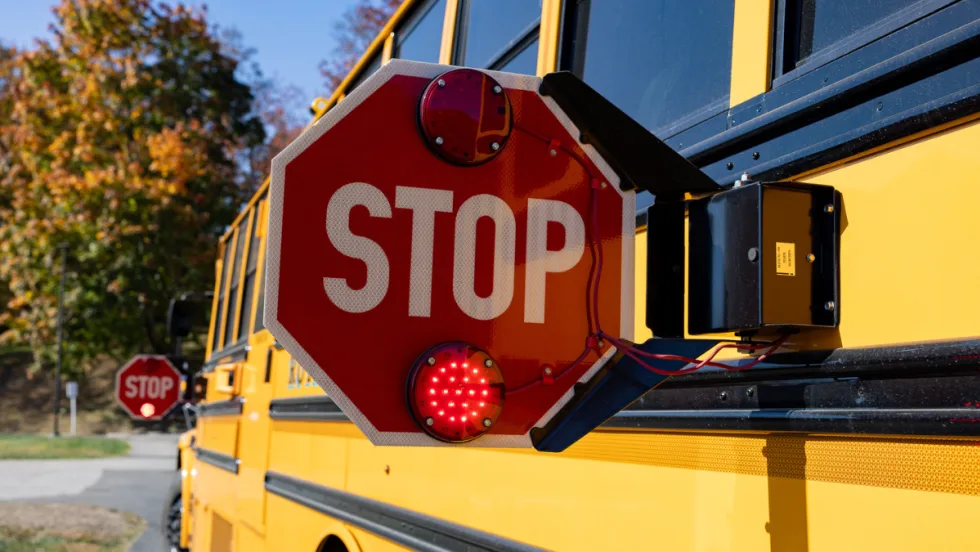
Illegal School Bus Passing Drops 24% in New York Districts
With fewer than 5% of citations involving repeat offenders, Westchester County officials said enforcement, education, and community partnerships are helping change driver behavior.
Read More →
School's Back. Here's What Happened to Traffic, Speeding & Distraction
What happens to traffic when school resumes? New data analysis examines changes in distracted driving, congestion, and speeding around schools.
Read More →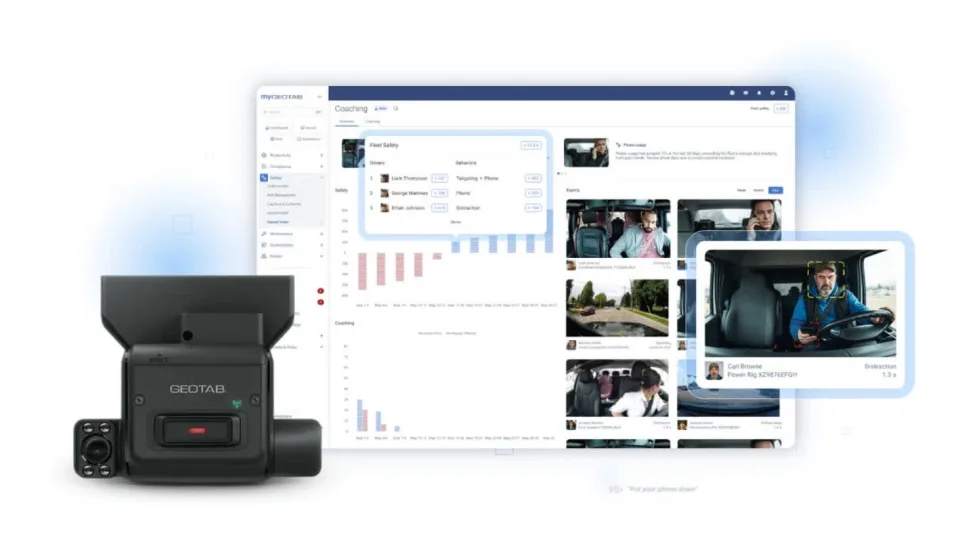
Geotab Expands Fleet Safety Tools With Video Coaching, Risk Insights
New safety and video capabilities aim to help fleet managers assess risk, support drivers, and take targeted action through video coaching, red-light violation detection, and more.
Read More →

How to Build a Better School Bus Driver Training Program
Is it time to strengthen your driver training? Here’s how to pick the right talent and improve recruitment, retention, and safety. This video is brought to you by IC Bus.
Read More →
Recent School Bus Accidents Leave 2 Dead, 2 Injured
Four school bus crashes in Florida, Illinois, and Georgia highlight risks in transportation lots, at bus stops, and during student loading and unloading.
Read More →
When Every Second Matters, Clarity Keeps Routes Moving
From routine delays to urgent incidents, strong communication practices help drivers, dispatchers, schools, and families respond with confidence.
Read More →
What Happens When a School Bus Catches Fire — and What Can Help
School bus fires are rare but can be devastating. Learn how advances in fire suppression and asset protection help fleets detect fires earlier, reduce damage, and improve safety.
Read More →
Geotab Launches Tool to Help Fleets Investigate Road Incidents
Geotab Investigations combines telematics data, video, documents, and other evidence to help fleets reconstruct incidents, resolve claims, and determine what happened.
Read More →
Texas Sixth Grader Wins 2026 National School Bus Safety Poster Contest
Sai Darshana Yekolu of Moseley Middle School in Prosper, Texas, was named the newest winner for her artwork, bringing the theme of “Safe Rides, Everyday Heroes” to life.
Read More →
Doing More With Less: How Transportation Directors Can Prioritize Safety Amid Budget Uncertainty
With diesel prices soaring and nearly one-third of transportation directors expecting budget cuts, maintaining student safety has never been more challenging. Download this guide to learn how leading districts are prioritizing risk, funding critical safety technology, and building stronger budget cases with data.
Read More →