



Why More Drivers Won’t Fix the Shortage
Hiring isn’t enough. Learn how leading fleets are solving driver shortages through smarter retention, training, and culture strategies.

- Recruiting more drivers is not a standalone solution to the driver shortage issue.
- Effective strategies include focusing on driver retention and implementing comprehensive training programs.
- Cultivating a positive company culture is crucial in addressing and mitigating driver shortages.
*Summarized by AI
School bus driver shortages are nothing new. But the nature of the challenge they present has changed, and today’s student transportation fleets must adapt to avoid finding themselves constantly short on drivers.
According to a recent industry report, 75% of transportation leaders say hiring and retention remain their top challenge, and 70% expect it to persist long term.
The Real Driver Shortage Has Changed
Lack of drivers with a commercial driver’s license (CDL) isn’t as much of an issue as attracting qualified, reliable drivers who meet safety and performance standards. Just because they have a CDL doesn’t mean they’re good enough to transport children.
Instead of constantly hiring drivers to fill consistently empty seats, forward-thinking student transportation fleets are building better strategies to maintain a fuller roster of high-quality drivers.
Think Quality, Not Quantity
Open routes and schedule gaps drive urgent hiring. And for years, fleets have kept drivers in the seats with higher pay, bonuses, incentives, and aggressive recruiting. But that’s not enough anymore.
Rushed hiring opens the door for operational risks, especially when rushing to hire any driver with a CDL becomes standard practice. School transportation operates under some of the highest (if not the absolute highest) expectations of safety.
Successfully retaining drivers while everyone else deals with driver shortages is no longer about hiring more drivers. It’s about the right drivers.
When hiring now takes priority over hiring quality drivers, the effects ripple across the fleet’s performance.
- Inconsistent service reliability
- Increased risk of non-compliance
- Higher incident rates
Redesign the entire driver lifecycle for your fleet, starting with how you attract talent in the first place. And include fleet technology as part of your core strategy for retaining the safe, reliable quality drivers students deserve.
Driver Retention Now Includes Technology
As times have changed, so have the strategies to navigate chronic driver shortages.
Student transportation fleets are finding more stability by building a stronger culture of respect, professionalism and safety. Instead of hiring and replacing a never-ending line of drivers, today’s approach to driver retention is more about helping drivers perform their best and recognizing them for it.
And that’s where fleet management technology is playing a larger role in driver retention.
Recognize top drivers fairly based on performance data.
A modern fleet management platform provides visibility into everyday fleet operations, vehicle activity, and driver performance.
Identify issues early, as well as recognize exceptional driver performance based on objective metrics captured in the vehicle’s data. Leveling the playing field with reliable fleet data makes recognition fair, consistent, and meaningful.
Set drivers up to succeed and reduce their risk.
An all-in-one bus routing ecosystem reduces friction in daily operations and enables every driver to perform at higher levels of reliability.
Drivers are better able to perform with:
- More predictable routes
- Clear communication with dispatch
- Less risk to student riders
- Reduced driver vulnerability to mistakes
Exonerate, coach, and protect drivers.
AI-powered driver safety systems help CDL and non-CDL drivers operate with less risk and more open coaching when there’s an issue or habit to address.
Conversations with safety teams become collaborative and less punitive when data and camera footage help both sides of the equation start and stay on the same page. Plus, certain features can be disabled to comply with regulations and policies for safety and confidentiality.
Protect students and drivers with data-based ridership visibility.
Digital student ridership tracking and verification provides additional safety when authorized personnel need to know who’s on board. Or worse, need to know if a student even got on or where they got off.
Tracking who boarded and who exited (when and where) shields drivers from mistaken accusations and liability. One more way of showing you prioritize safety and are equipped to support your drivers.
Driver Shortages are Real, but High Turnover is Avoidable.
Fleet technologies help create a more stable and supportive environment in which quality drivers will want to stay.
Building a culture on high standards for attracting, recognizing and investing in drivers will more effectively help raise your fleet’s driver retention rates than relying on pay raises and casting a wider hiring net.
Download our Driver Shortage Playbook to understand the full picture on why traditional school bus driver recruitment strategies are no longer effective and how today’s fleets are adapting.
Ready to take the next step?
Start the conversation | Download the Driver Shortage Playbook
This article reflects the views of Zonar Systems and does not necessarily represent the views of School Bus Fleet or Bobit Business Media.
Quick Answers
Hiring more drivers addresses only the surface-level issue; it does not tackle underlying problems such as high turnover rates and job dissatisfaction, which are critical to resolving the driver shortage comprehensively.
*Summarized by AI
More Management
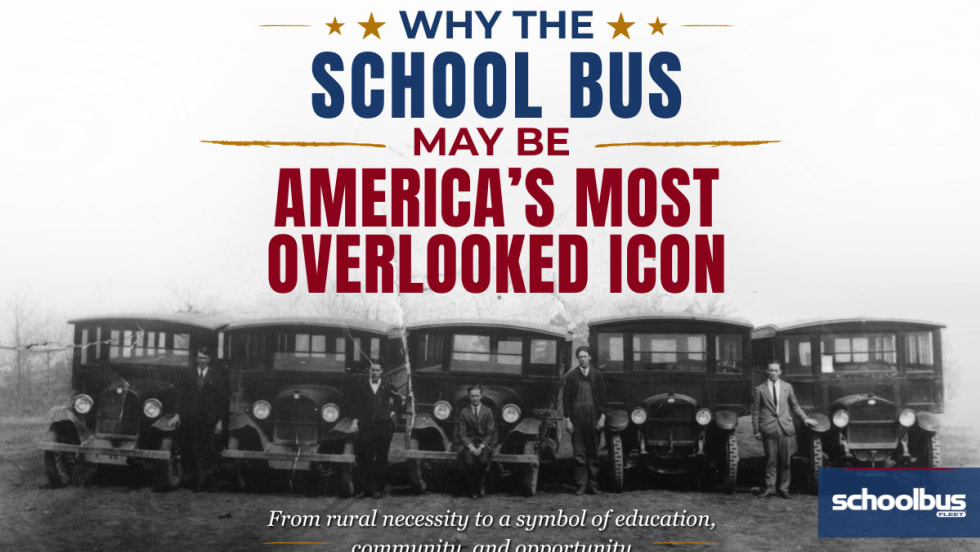
Why the School Bus May Be America's Most Overlooked Icon
Every day, millions of students climb aboard. But few realize the yellow school bus has helped transform education, connect communities, and come to symbolize civic responsibility.
Read More →
SBFX Keynote Announced: Ann Vote to Share Tips on Leadership and Team Culture
Unveiling the full agenda for SBFX 2026 in Scottsdale this September: Here's who will be headlining the event throughout our two days together, and what to expect.
Read More →
The School Bus as an American Icon: Exploring the Past, Present, and Future of the Yellow Bus
As America approaches its 250th anniversary, Blue Bird's Brad Beauchamp explores the history of the yellow school bus, its impact on education, and where student transportation is headed next.
Read More →


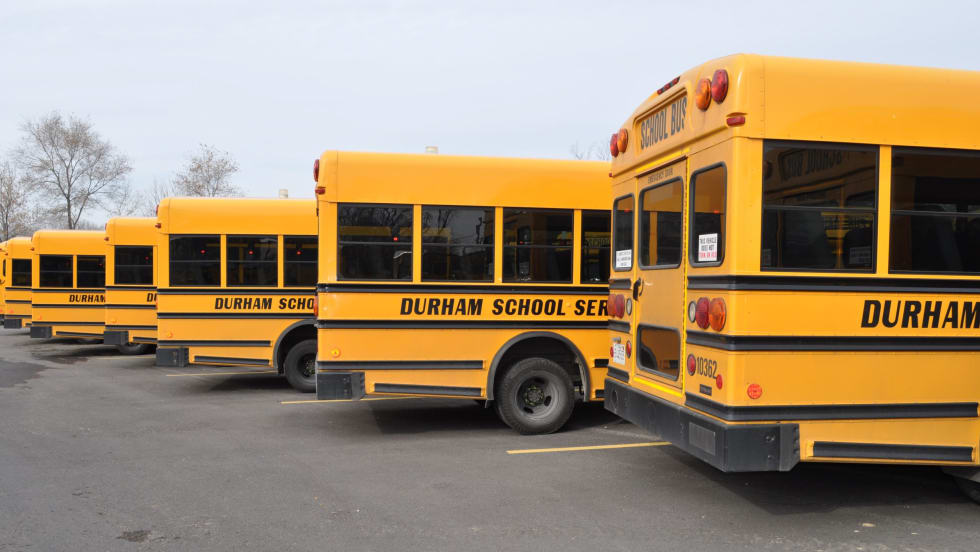
Durham School Services Adds New District Contracts Across Five States
The latest contract awards and renewals will bring the company's transportation services to more students while extending several long-standing district relationships.
Read More →
6 School Districts Named Transfinder's 2026 Top Transportation Teams
The software company has named six school districts across four states to its list for the fourth year, with one 'three-peat' winner. Find out which teams took home top honors!
Read More →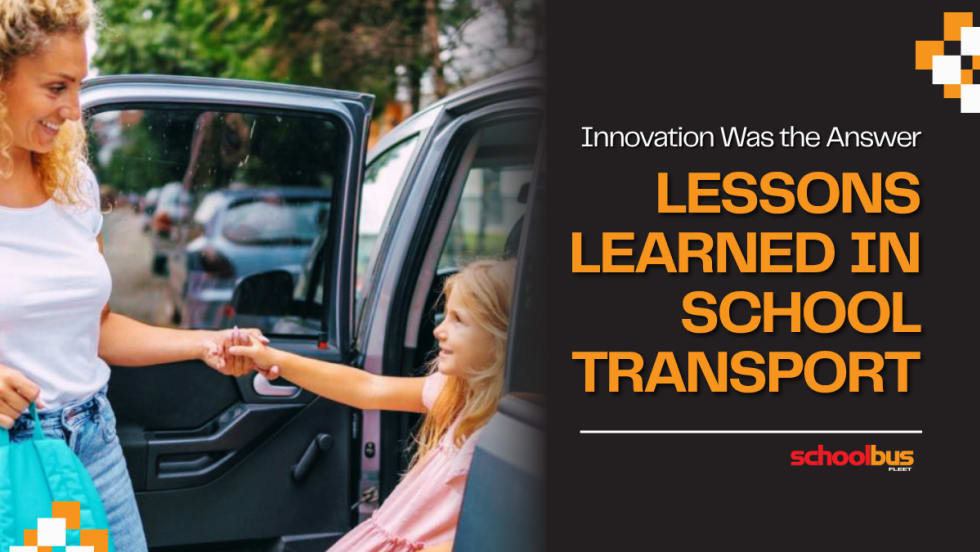
Innovation Was the Answer: Five Lessons Learned in School Transportation from 2025–26
Transportation leaders are embracing technology, transparency, and operational flexibility to meet growing demands with limited resources.
Read More →
AI Tools Roundup: New Fleet Tools Aim to Turn Data Into Faster Decisions
The latest AI-powered platforms could help student transportation teams analyze fleet performance, manage maintenance, and uncover operational insights using natural-language queries.
Read More →
EverDriven Integrates Pathwise's EZRouting into Routing Services
The new partnership combines trusted software with industry expertise to help district transportation teams streamline general education routing, improve efficiency, and lower operating costs.
Read More →
First Student Safety Executive Named Samsara Technology Leader of the Year
David Perez earned the honor for deploying AI-powered safety and fleet technologies that improved driver behavior and family communication.
Read More →
Zum Expands to Rhode Island with 2 New District Partnerships
The Ocean State becomes Zum’s 18th state served as the company expands its presence in the Northeast U.S., while launching operations in Philadelphia, and supporting FIFA World Cup 2026.
Read More →