




Wheelchair securement, harassment are key topics
ATLANTA — About 450 special-needs transporters assembled to share innovative practices and forge valuable relationships at the 13th National Co...

ATLANTA — About 450 special-needs transporters assembled to share innovative practices and forge valuable relationships at the 13th National Conference & Exhibition on Transporting Students with Disabilities & Preschoolers.
The conference, held March 5-10, provided workshops led by industry experts, a trade show focused on special-needs equipment and services and a special-needs team roadeo.
During the meeting, the National Highway Traffic Safety Administration finalized an interim rule on the manufacture of safety harnesses, a key concern for school bus operators who transport special-needs students.
The final rule mirrors the interim rule, which would have expired on Sept. 1, 2004, allowing the manufacture of harnesses for school buses.
Two years ago, NHTSA issued an interpretation that safety vests that wrap around the seat could not be manufactured for use on school buses.
In response to a petition from a safety vest manufacturer, NHTSA published an interim rule on Oct. 22, 2002, that permitted the manufacture of the vests, but required that they bear a warning label informing users that the harness must be used only on school bus seats and that the entire seat directly behind the child wearing the seat-mounted harness must be either unoccupied or occupied by restrained passengers.
The workshop series included an enlightening session on wheelchair and occupant securement. Led by Miriam Manary of the University of Michigan Transportation Research Institute and Susan Shutrump of the Trumbull County (Ohio) Educational Services Center, the workshop focused on crash tests with properly and improperly secured wheelchairs and occupant dummies.
Manary and Shutrump demonstrated the importance of securing wheelchairs facing forward, as crash-test clips showed dummies in both side-facing and rear-facing positions flailing violently or even flying out of their wheelchairs. Manary added further to the weight of the issue by explaining that the chairs used in both positions were strong, transit models. A forward-facing dummy in a crash at the same speed fared noticeably better.
Further discussion in the session included a widespread problem in wheelchair securement: tight spaces on the special-needs bus. As footage showed, not using each tiedown can lead to poor performance in a crash. However, the panelists acknowledged that anchor points on the far side of a chair are often hard to reach
“Clear floor spaces seem to be getting smaller and smaller, and this can really present some problems,” said Shutrump. She recommended that buses be spec’d not to maximize passenger capacity, but to ensure enough tiedown space.
Peggy Burns, in-house counsel for Adams 12 Five-Star Schools in Thornton, Colo., conducted a workshop that delved into harassment, especially that involving students with disabilities.
Burns provided several examples of disability harassment that had occurred within the past five years. While some involved harassment in the more traditional sense of teasing and name-calling, some were subtler and actually involved decisions on the part of transportation personnel. In one example, a driver subjected a student to inappropriate restraint that was not indicated on the student’s IEP. In another, a transportation director denied a student with a disability from going on a field trip because no bus equipped with a lift was available.
Burns recommended developing a thorough policy that includes a definition of harassment, possible consequences and interventions and a specific grievance process for those affected by harassment. “A big source of litigation is the failure of the district to spell out the grievance process,” said Burns.
Conference events also included a series of “chat rooms,” which were led by one or two facilitators but, as the name implies, focused on comments and questions on a predetermined topic from all in attendance. In a chat room facilitated by Kathy Furneaux of the Pupil Transportation Safety Institute and Maureen Arnitz of the Gananda Central School District in Macedon, N.Y., participants shared tips for organizing state and local special-needs team roadeo events.
The trade show, which drew 35 vendors, saw the unveiling of an innovative feature: “relationship tours.” Tour leaders escorted conferees around the exhibit hall, introducing them to vendors and helping to facilitate discussions.
More Special Needs Transportation
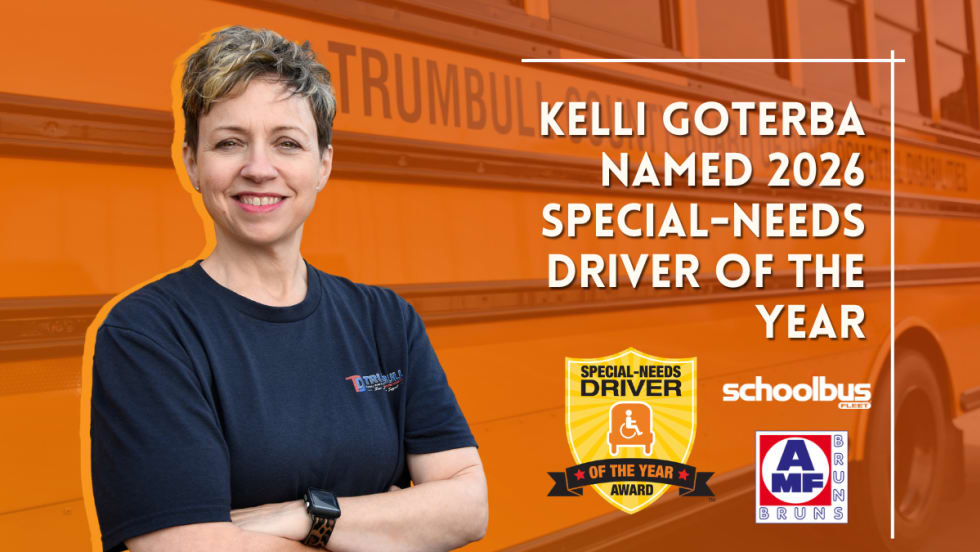
Kelli Goterba Named 2026 Special-Needs School Bus Driver of the Year
Through building trust with students and strengthening her transportation team, Goterba exemplifies the impact special-needs drivers can make.
Read More →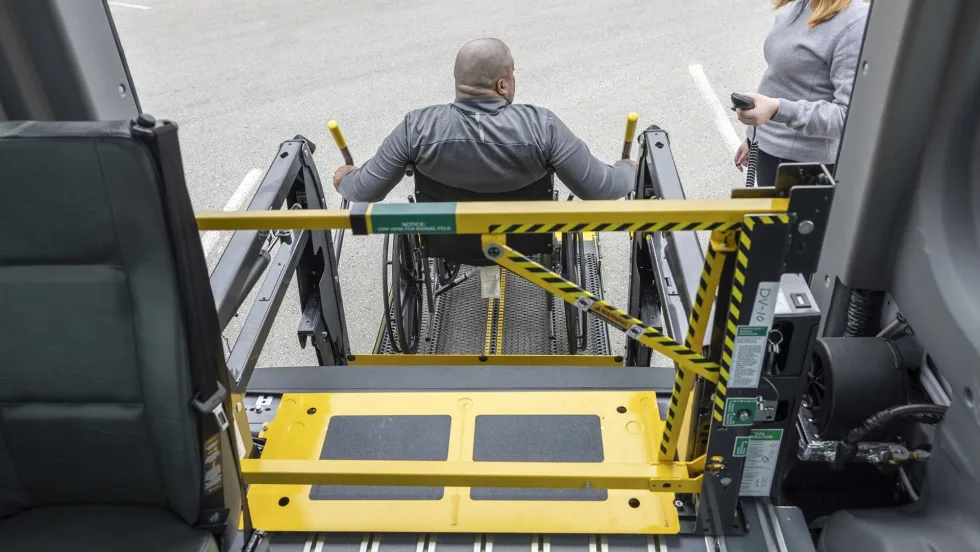
BraunAbility Introduces New Safety Barrier for Wheelchair Lifts
LiftSentinel is designed to add another layer of protection during wheelchair loading and unloading and can be retrofitted to many existing commercial lift installations.
Read More →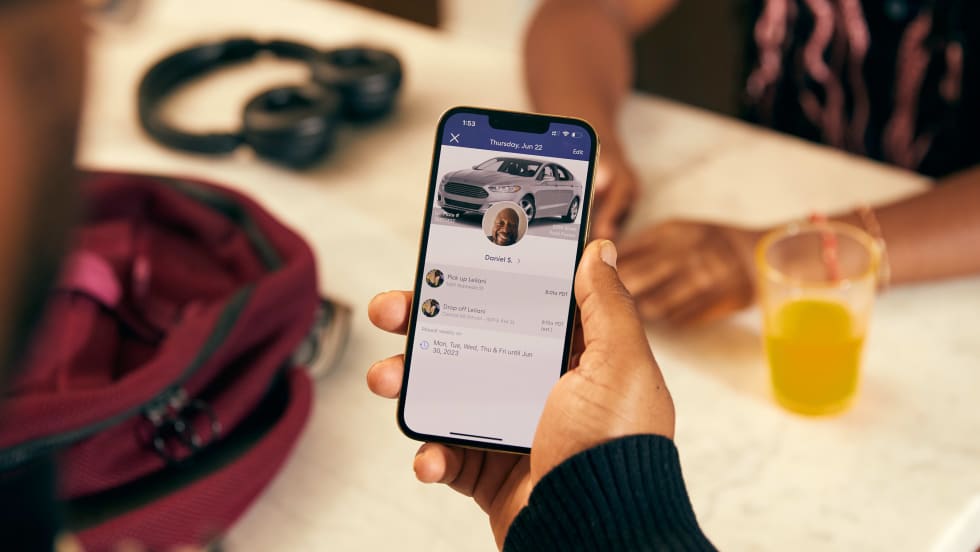
HopSkipDrive Launches New Safety, Driver Consistency Features for 2026-27 School Year
The company’s free ride recording, live ride tracking, and consistent driver assignments aim to improve safety and continuity for diverse student transportation needs.
Read More →
The Most Common Wheelchair Securement Mistakes on School Buses (and How to Fix Them)
Small missteps in wheelchair securement can have serious consequences. Here are 32 tips from experts to reduce risk and increase student safety on the bus.
Read More →
Inside AMF Bruns’ New Showroom: School Bus Securement Solutions Explained
Go inside AMF Bruns America’s new Ohio showroom with Maritza Valentin to see its FutureSafe technology, driver training tools, securement systems, and seating innovations.
Read More →
What AMF Bruns’ New Facility Means for Customers [Video]
Inside AMF Bruns’ new Stow, Ohio, operations: See how expanded space and innovation will enhance customer support and operations.
Read More →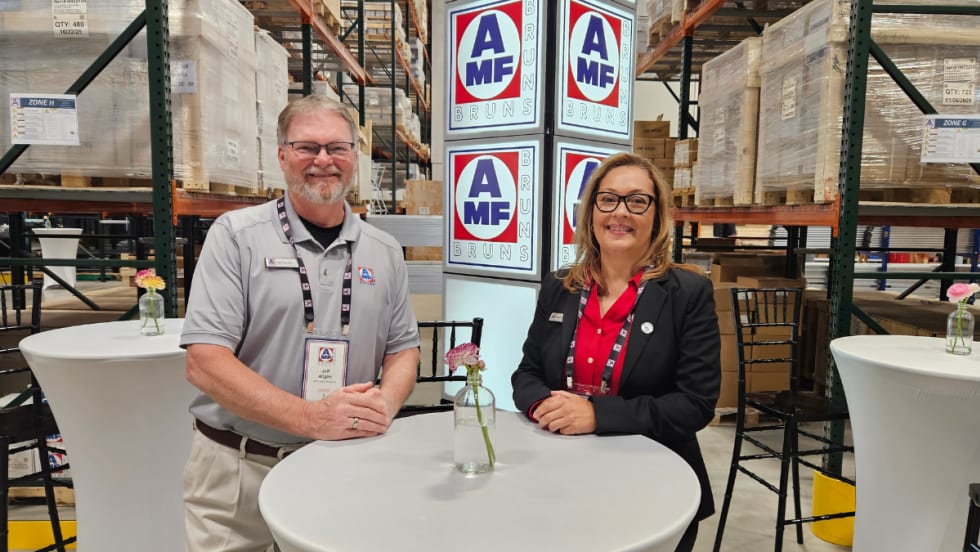
AMF Bruns Expands in Ohio, Investing in Growth and Community
With expanded production space, local investment, and a growing workforce, AMF Bruns is scaling its U.S. presence. Here’s an exclusive first look inside the new Stow, Ohio, HQ.
Read More →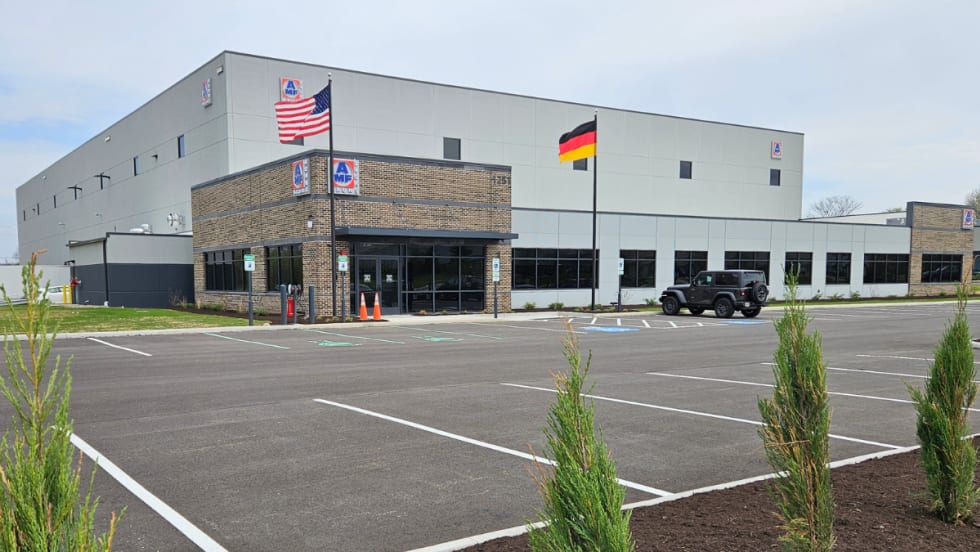
Inside AMF Bruns of America’s New Ohio Manufacturing Facility [Photos]
Take a behind-the-scenes look at AMF Bruns of America’s new 41,000-square-foot Stow, Ohio, headquarters, featuring advanced manufacturing, expanded space, and future-ready mobility solutions.
Read More →
First Student Boosts Student Support in Wichita & Texas
First Student and Wichita Public Schools are using behavioral support strategies to improve student ride experiences, while a separate initiative expands access to after-school programs through a bus donation.
Read More →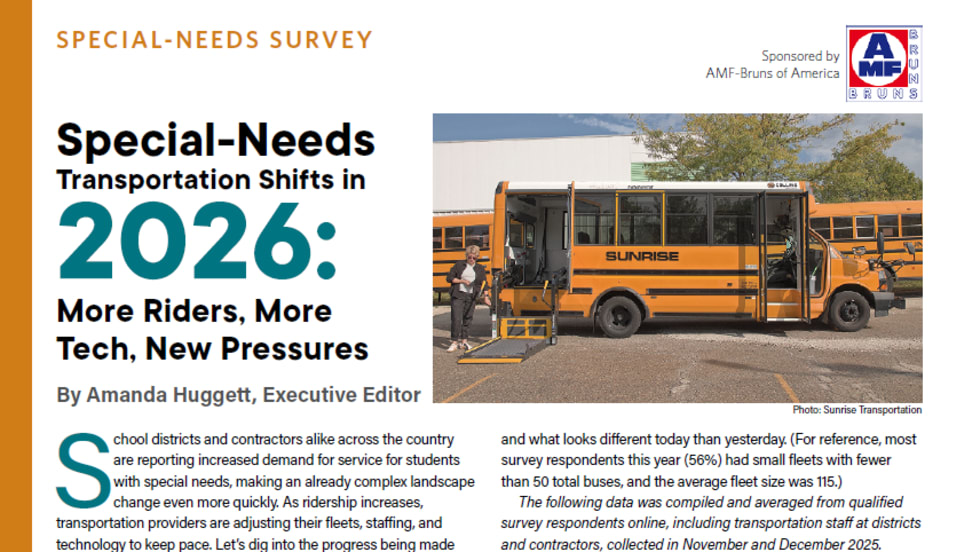
2026 Special-Needs Transportation Survey
What’s changing in special-needs transportation? This year, student transportation operators report a rising need, easing driver shortages, growing tech adoption, and evolving challenges. Sponsored by AMF Bruns of America.
Read More →