



Washington state issues RFP for new funding methodology
OLYMPIA, Wash. — The state of Washington is seeking a more accurate method of reimbursing school districts for the cost of pupil transportation...

OLYMPIA, Wash. — The state of Washington is seeking a more accurate method of reimbursing school districts for the cost of pupil transportation after a report issued last November by legislative auditors estimated that actual expenditures for the 2004-05 school year exceeded state funding by as much as $114 million.
To that end, the Washington State Office of Financial Management issued a request for proposals (RFP) from firms interested in developing options for a new K-12 student transportation funding methodology. The chosen firm would be expected to develop a final report by Nov. 15, 2008, for consideration by the governor and state Legislature.
The RFP asks for the development of two options and a prediction of their impact on each school district compared to the current funding system. The goal of the funding methodologies would be to create a system that leads to a more accurate allocation of funds and also builds incentives for the efficient use of resources.
Washington’s current funding model was developed in the early 1980s and has not significantly changed over the years. Its goal is to fund the transportation of eligible students to and from school at 100 percent. Districts have difficulty establishing an accurate accounting of this cost, however, because there is no systematic method to account separately for to-and-from-school transportation. “The tools that exist for doing so are incomplete and unaudited,” the report said. It also noted that accounting of certain costs, such as bus aides, utilities and insurance, are not consistent among districts.
The audit of the 2004-05 school year was performed by the state’s Joint Legislative Audit and Review Committee. It suggested that 187 school districts received less state funding than their expected costs, while 76 programs received more state funding than their expected costs. It found “significant structural and implementation problems” with the current funding method.
Adding to the problem, the report said, is the fact that funding is based on radius miles rather than actual road miles driven and that distance weighting factors used to determine funding levels do not appear to reflect actual road miles or actual costs incurred.
Allan Jones, state pupil transportation director in Washington, said the state is changing its accounting practices in advance of the 2008 report. “School districts are required to start breaking out the costs for everything that doesn’t qualify for state funding, so the year-end fiscal report will clearly indicate the amount of under-funding each district experiences,” he said. “That’s good, in that legally the state Legislature is responsible for all those costs. Changing the accounting process is rather painful, however.”
More Safety
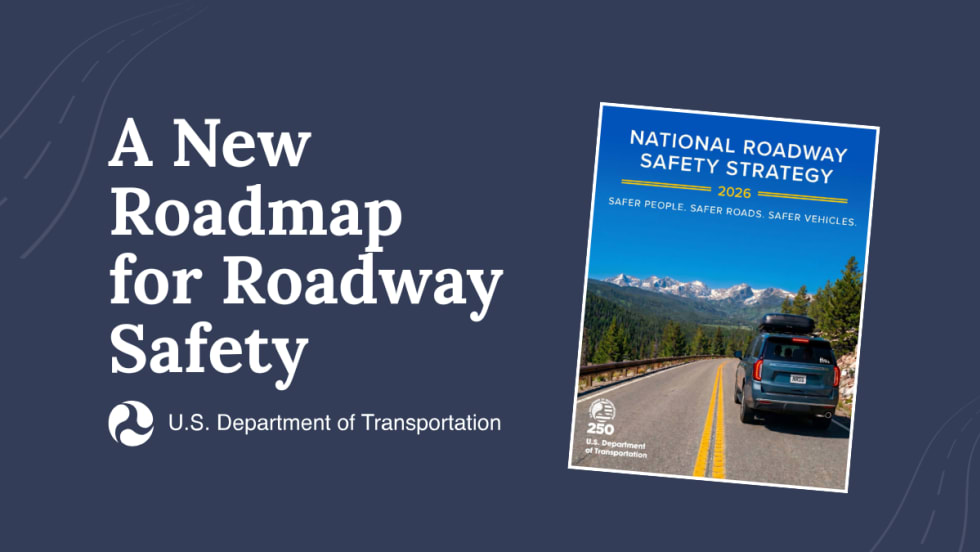
What Changed in DOT’s New National Roadway Safety Strategy?
The federal agency's new plan shifts its focus to safer people, roads and vehicles, with a new three-pronged approach instead of five. One outlined action even addresses a key industry concern around illegal school bus passing.
Read More →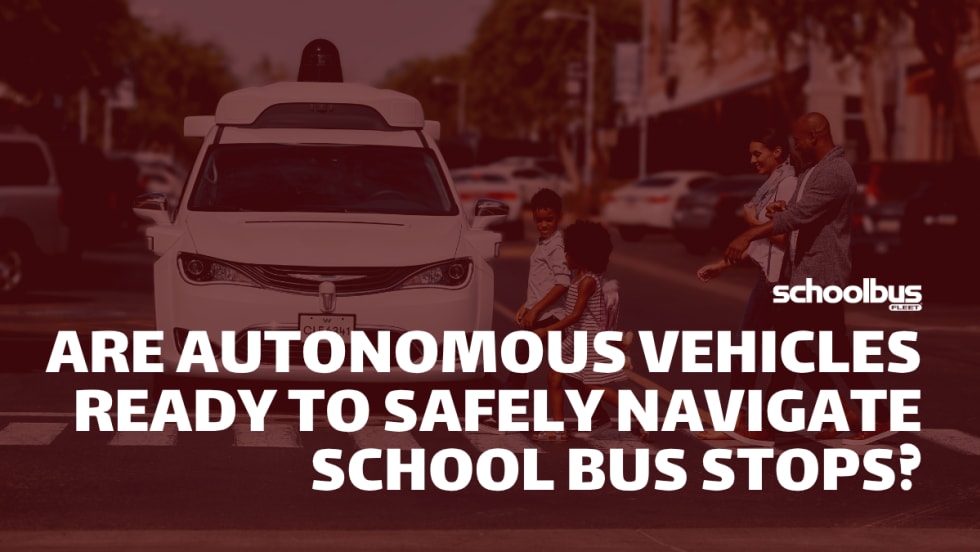
Are Autonomous Vehicles Ready to Safely Navigate School Bus Stops?
NHTSA is accelerating autonomous vehicle deployment through new safety standards and commercial approvals. See why school transportation leaders are watching.
Read More →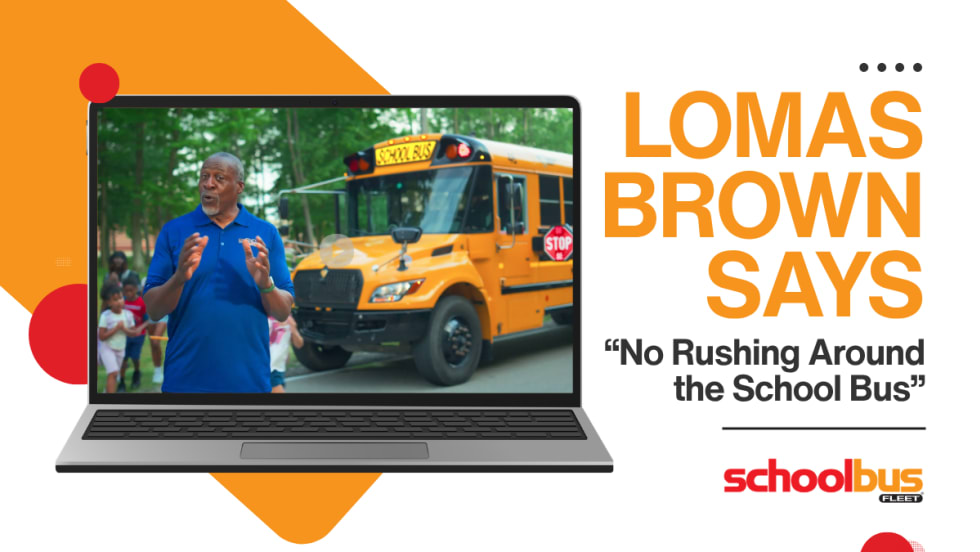
NFL Star Lomas Brown Kicks Off New Illegal School Bus Passing PSA
Just in time for the back-to-school season, the former Detroit Lions offensive tackle took time to record a video encouraging motorists to slow down around school buses.
Read More →
How Two Texas Districts Built Award-Winning Safety Programs
Learn how Prosper ISD and Rockwall ISD earned National Safety Council honors through hands-on training, safety culture, and strategies that reduced transportation incidents.
Read More →
NHTSA Releases 10-Year Review of Fatal School Bus Crashes
The latest federal analysis reinforces the safety of school buses while identifying where school-age pedestrians and other motorists remain most at risk.
Read More →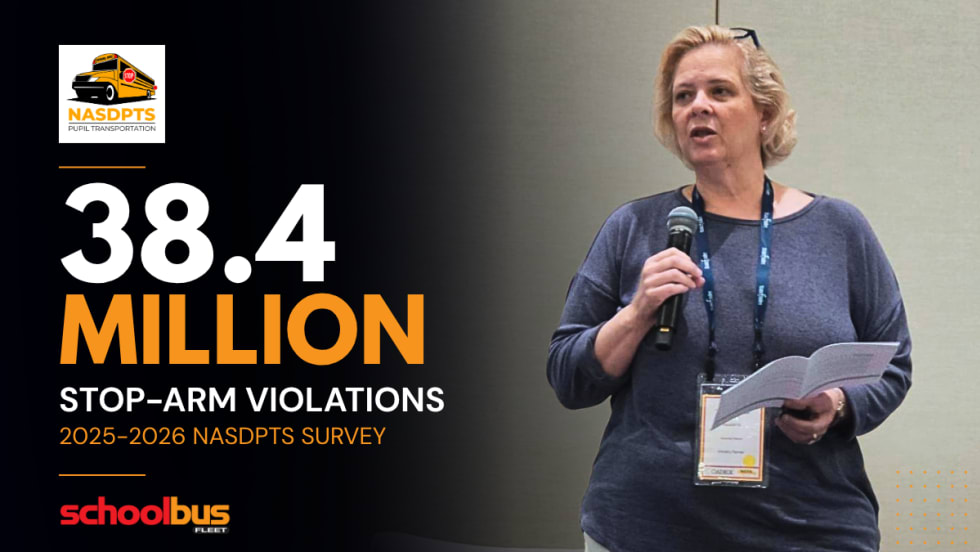
2026 NASDPTS Survey: Data Shows Further Reduction of Illegal Passing
New data is in! School bus stop-arm passings are down to 38.4 million violations per year, about a 2.3% decrease from last school year — but passings on the right side of the bus are higher than ever.
Read More →
Another School Bus Fatality Reported in Monsey, New York
A 7-year-old girl died after being struck by a school bus in Rockland County, New York while crossing the street. Here's what we know.
Read More →
NSTA Announces 2026 School Bus Driver International Safety Competition Winners
Drivers from across the U.S. and Canada showcased their safety and driving skills, with two defending champions successfully retaining their titles.
Read More →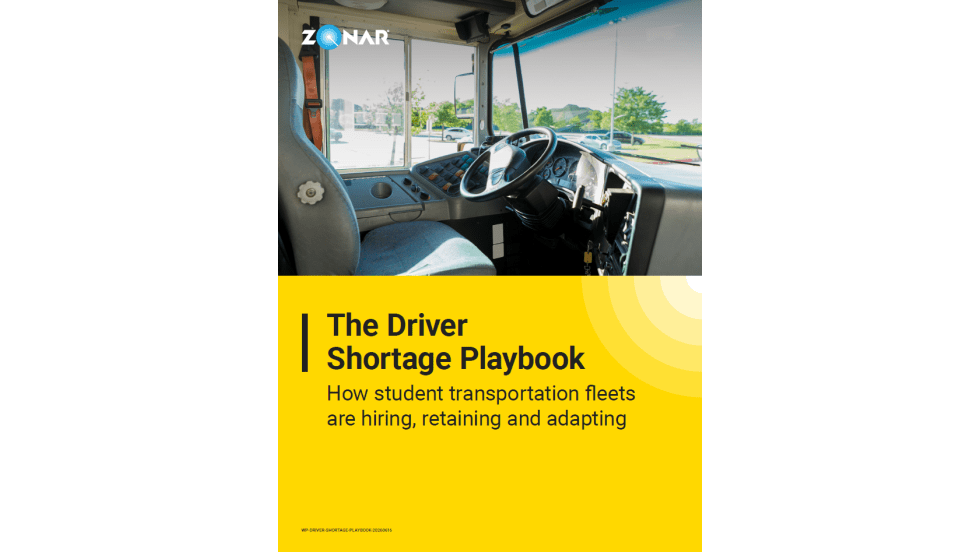
The Driver Shortage Playbook
Driver shortages are still a major challenge for student transportation fleets, but the real issue has shifted. It’s no longer just about filling seats quickly. It’s about finding safe, reliable drivers who meet performance expectations and want to stay. The Driver Shortage Playbook covers why traditional recruitment tactics are falling short and how school fleets are adapting with smarter hiring, stronger retention strategies and a greater focus on driver quality.
Read More →
Pro-Vision Launches AI-Powered 360° Camera System
The new Birdseye camera delivers real-time AI-based pedestrian and vehicle detections, full visibility around the bus, and telematics integrations.
Read More →