




Tires: past, present and future
It is probably safe to say that most people take tires for granted. Contrasted with the late 1800s, when the first pneumatic tire was developed, t...

Many industry observers believe that there is imminent rulemaking from NHTSA on medium truck tires, such as those used on school buses.
It is probably safe to say that most people take tires for granted. Contrasted with the late 1800s, when the first pneumatic tire was developed, the product today delivers many miles of safe and reliable performance and requires only relatively simple routine maintenance.
The first pneumatic tires were invented for bicycles. They didn’t last long, were not very reliable and took hours and hours to dismount and repair. But they were a huge improvement over the solid tires they replaced, notably in terms of comfort. Even today, tire performance continues to evolve, with engineers and scientists all over the world competing to further improve the product.
The modern pneumatic tire has applications ranging from bicycles to motor vehicles of all types to giant earth-moving dump trucks that can transport payloads of 350 tons — on only six tires.
Also running on six (albeit very much smaller) tires, the yellow school bus safely and reliably transports millions of children every day. This is no small challenge. In concert with braking and other systems (but at the actual vehicle/road interface), tires allow the bus to safely start and stop, transporting its precious cargo on flat, hilly, straight, winding, city, country, dry, wet and snow/ice-covered surfaces.
It is interesting to reflect on what the world and society would be like in the absence of the pneumatic tire.
A significant tire performance issue came into being in August 2000, resulting in the recall of a very large number of tires originally equipped on SUVs. As a consequence of that recall, the U.S. Congress quickly passed the Transportation Recall Enhancement, Accountability and Documentation (TREAD) Act.
The legislation covered more than just tires, but, as the acronym suggests, tires were a major focal point. In terms of size, publicity, subsequent governmental legislative and regulatory activity, and sheer global impact, nothing the tire industry experienced before, or since, comes close to the impact of the TREAD Act.
As required by the TREAD Act, National Highway Traffic Safety Administration (NHTSA) rulemaking has in recent years mandated considerably more stringent testing to meet federal minimum performance standards for tires for light vehicles up to 10,000 lbs. gross vehicle weight (GVW). The resulting Federal Motor Vehicle Safety Standard (FMVSS) 139 has become law and is in effect, although certain provisions are still under development.
Testing for FMVSS 139 deals primarily with tire endurance, and manufacturers must certify that applicable tires meet minimum specifications for durability and high speed performance. Certain additional information must also be displayed on the sidewall of these tires to allow users to more easily identify them in the event of a recall.
It is important to realize that the TREAD Act was intended to update tire performance standards across the board, starting with tires for light vehicles. Many industry observers believe that the next round of NHTSA tire rulemaking is imminent and will involve medium truck tires (tires for vehicles over 10,000 GVW), either updating or replacing the present standard, FMVSS 119. There is further speculation that retreaded medium truck tires will be required to meet minimum federal performance standards (there is presently no such requirement).
The tires regulated by FMVSS 119 include those that are typically used on school buses. FMVSS 119 has various requirements, with a focus on endurance, strength and high speed performance. As is the case with FMVSS 139, manufacturers must certify that their applicable products meet the standard.
Most sophisticated users of medium truck tires, such as folks in the school transportation business, are probably of the opinion that today’s radial truck tires outperform tires of the past — and to a significant degree in most cases. Just what the implementation of new, more rigorous FMVSS 119 minimum performance standards might mean for end users of truck tires, or truck retreads, is subject to speculation and will probably depend in no small part on the actual minimum performance requirements of any new standard.
Additional federal regulations, concerning fuel efficiency and emission-reduction aspects of tire usage, are in the works. This activity was prompted at least in part by the efforts of the California Energy Commission (CEC) and its earlier legislative activity and technical investigation into the rolling resistance of commercially available tires (using the resources of an objective third-party testing organization).
Elements of the U.S. Energy Independence and Security Act of 2007 and the U.S. Ten-in-Ten Fuel Economy Act focus on fuel savings and implementation of regulations to that end. As a result, tire manufacturers will be required to provide consumers with rolling resistance information, enabling automobile owners to factor in fuel savings potential as a part of their tire purchasing decision.
What else can be expected in the foreseeable future? With rolling resistance information becoming a regulatory requirement for light vehicle tires, the question arises of whether a similar requirement will be enacted for medium truck tires (such as those used on school buses). If that comes to fruition, would it be beneficial?
With respect to the product itself, the new regulatory requirements, compounded by the pain of last year’s fuel price spike and future uncertainty regarding fuel prices, will clearly serve to drive the development of improved technologies. Engineers will design for reduced rolling resistance, while retaining good tire wear, durability, handling and traction characteristics that fleets need to operate efficiently and cost effectively. School bus fleet operations should continue to benefit generally as improved tire performance characteristics continue to be developed.
At the end of the day, a lot is riding on this highly-engineered product that is so often taken for granted.
Michael L. Bair is senior manager, technical consulting, and James A. Popio, Ph.D., is director of engineering at Smithers Scientific Services Inc. (www.smithersscientific.com) in Akron, Ohio.
More Maintenance
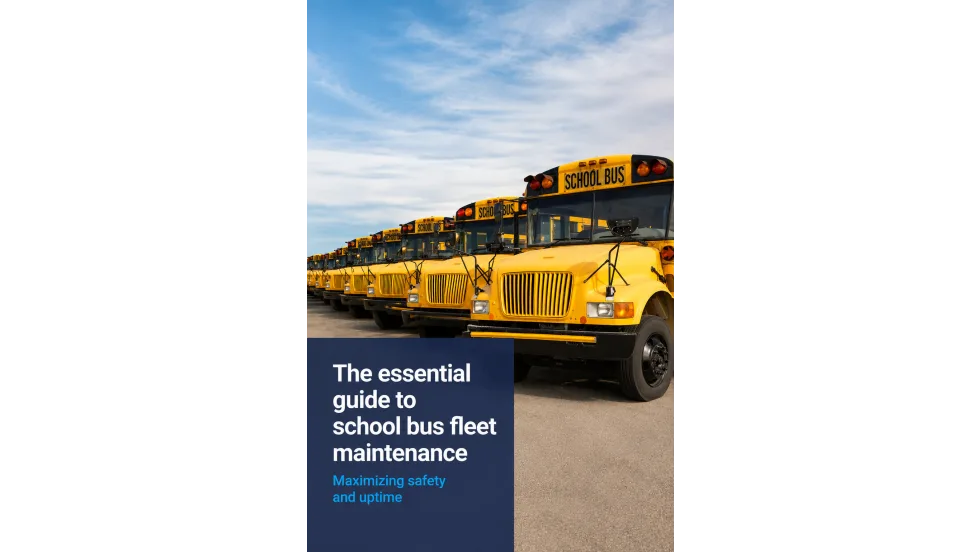
The essential guide to school bus maintenance and student safety
Reactive maintenance puts students at risk of breakdowns, delays and roadside emergencies. This guide gives transportation directors a data-driven framework to predict failures, extend bus lifespans and improve fleet reliability across every route.
Read More →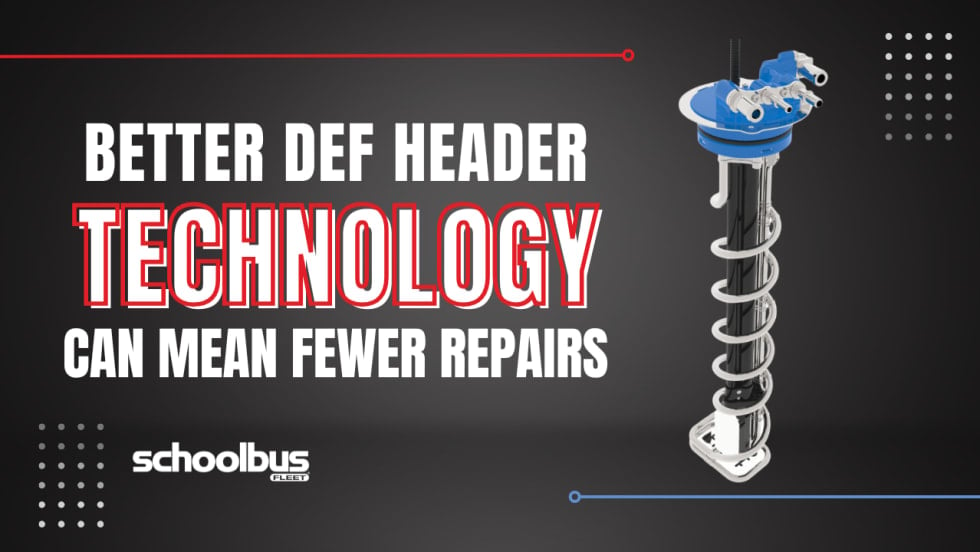
The Evolution of DEF Header Technology: What School Bus Operations Should Know at Replacement Time
See what school bus fleets should consider when replacing DEF headers to improve reliability, reduce repeat repairs, and control maintenance costs.
Read More →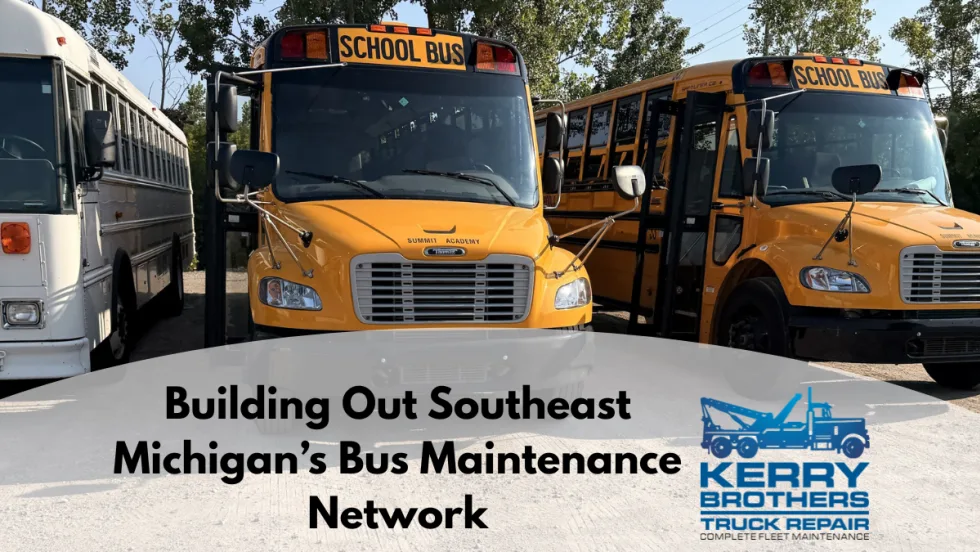
Kerry Brothers Grows Michigan School Bus Repair Network
The acquisition of Downriver Truck and Bus expands Kerry Brothers’ school bus maintenance footprint across southeast Michigan, adding repair capacity, diagnostic resources, and state inspection support.
Read More →
Noregon Introduces CAN Bus Diagnostic Tool, Expands JPRO Features
CAN Mentor and the latest JPRO update aim to simplify vehicle network diagnostics and improve repair efficiency for technicians of all experience levels.
Read More →
Cummins on Smarter, Simpler Engine Innovation
Cummins discusses its first-ever gasoline engine for school buses, EPA 2027, and why bus fleets still want durable, simpler internal combustion options.
Read More →
Report: 72% of Diesel School Buses Now Use Advanced Low-Emission Engines
New data shows advanced low-emission diesel technology continues expanding across school bus fleets, even as electric bus adoption gains momentum.
Read More →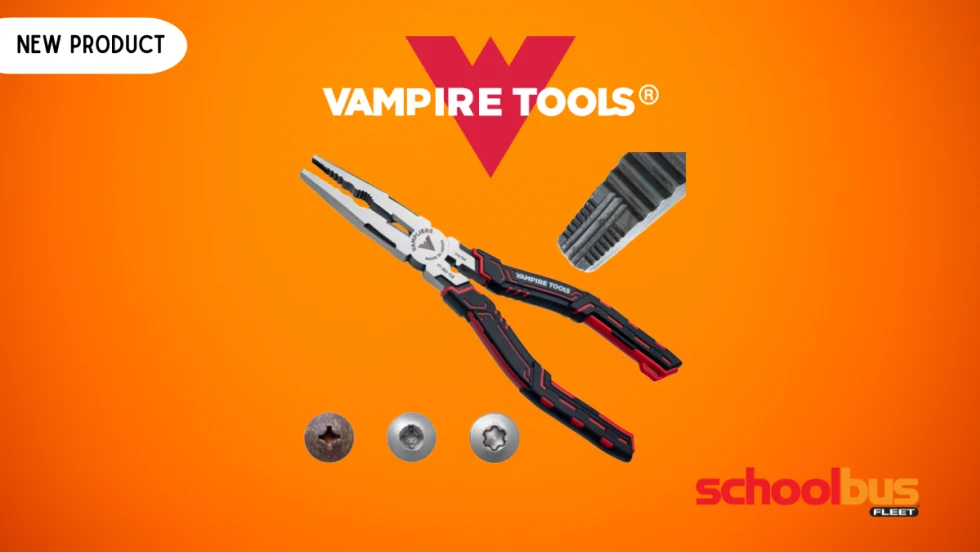
Vampire Tools' CAIMAN 7.5-Inch Multi-Purpose Screw Extractor Long-Nose Pliers with Crimper
Vampire Tools introduced the VAMPLIERS Caiman 7.5-inch multi-purpose pliers, combining screw extraction, cutting, crimping, and gripping functions into a single tool designed for fleet maintenance professionals.
Read More →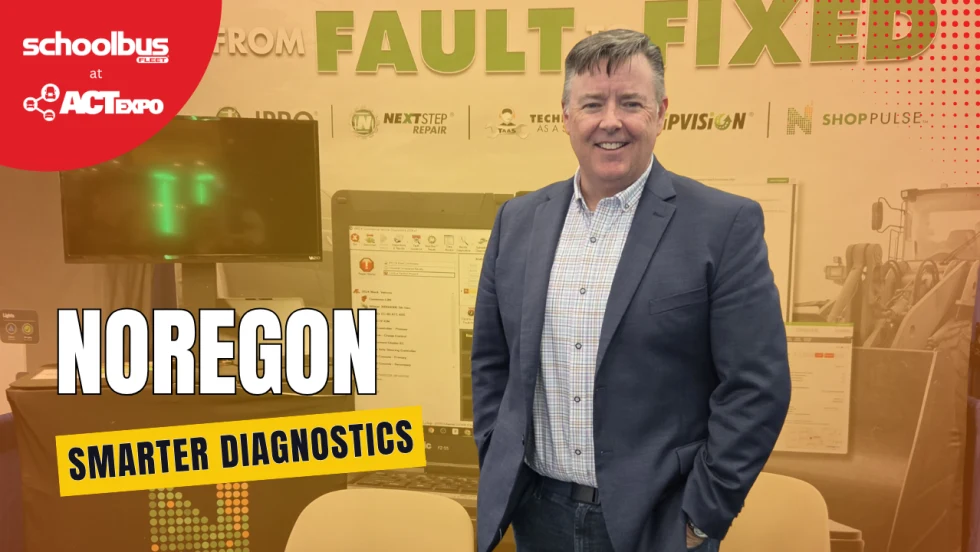
How Advanced Diagnostics Helps Bus Fleets Stay Ahead of Repairs
Chat with Noregon’s Kevin Smallhorn at ACT Expo about bus diagnostic tools, telematics integration, CNG maintenance support, and strategies to help reduce downtime and improve uptime.
Read More →
How School Bus Fleets are Getting Ahead of Breakdowns
Don’t let bus downtime wear you down. Here’s how bus operators are shifting from manual processes to AI-powered, data-driven maintenance systems for improved reliability and safety.
Read More →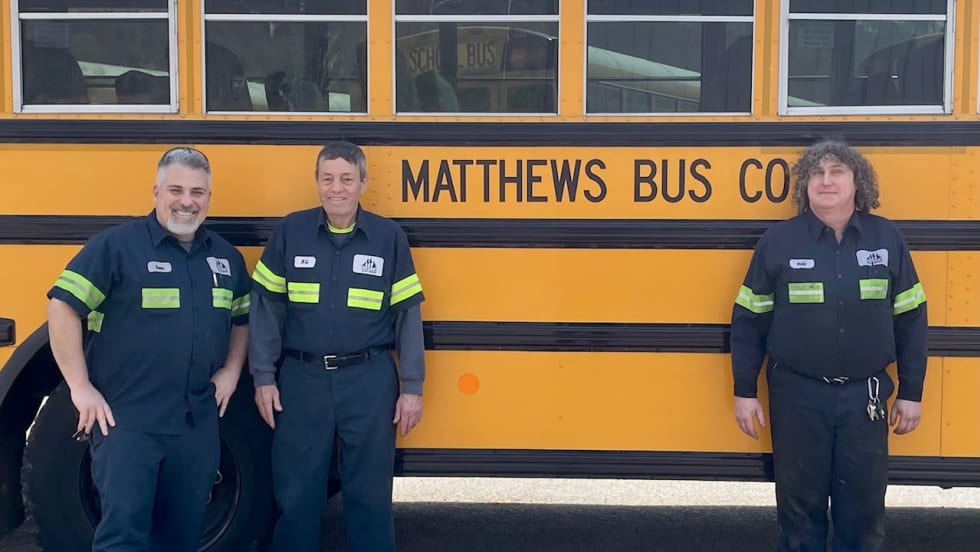
Pennsylvania School Bus Maintenance Team Praised for Dedication to Safety
Matthews Bus Company’s West Jefferson received a letter of commendation from the Pennsylvania State Police for their fleet inspections.
Read More →