




Thinking outside the bus
In the school bus industry, which has built an unparalleled safety record with its thorough driver requirements and strict vehicle construction standards, the thought of stepping outside of the school bus is disconcerting for many.

Alternative fuels aren’t the only “alternative” that seems to be gaining interest in the pupil transportation industry.
Many school districts have turned to alternative transportation — vans, taxis and other small, non-school bus vehicles — to supplement traditional school bus service in certain situations.
A common example would be a homeless student who travels a long distance every day to attend his school of origin, meaning the last school he was enrolled in before becoming homeless. Under the McKinney-Vento Act, these students are entitled to free transportation to their school of origin, even if they now live in a different school district.
This can strain districts’ resources. As Washington state student transportation director Allan Jones explains, “Some of the districts just don’t have enough school buses to transport all the homeless students they have.”
Proponents of alternative transportation say that using small vehicles for these long trips with one or a few students cuts costs and allows more flexibility.
But in the school bus industry, which has built an unparalleled safety record with its thorough driver requirements and strict vehicle construction standards, the thought of stepping outside of the school bus is disconcerting for many.
That’s how Launi Harden initially felt about alternative transportation.
“At first, I didn’t look at it because it wasn’t the yellow school bus,” says Harden, the transportation director at Washington County School District in St. George, Utah.
But she says the downturn in the economy and high fuel prices forced districts to look at new ways to increase efficiency.
Washington County School District, which continues to run its own school bus fleet, has been contracting with American Logistics Co. (ALC) for about five years now. Through local transportation providers, ALC arranges for vans and sedans — all with magnetic signs for identification — to transport small numbers of special-needs students, some of whom travel up to 50 miles one way to school.
“It’s generally a quicker ride for the students, and it saves taxpayer dollars,” Harden says.
She notes that when considering alternative transportation through an outside vendor, it’s critical to look into the company, its safety practices and its reputation.
“Don’t just hire anyone,” Harden advises. “Make sure they have the same standards as you.”
ALC, for example, ensures that its drivers go through background checks, drug testing and training, meeting state and federal requirements as well as each district’s own specifications.
But, as you’ll see in our in-depth article on alternative transportation, some other companies apparently haven’t been as detailed in checking their drivers. In Chicago, an investigation found dozens of school cab drivers who had been arrested for or convicted of such crimes as aggravated battery, possession of a controlled substance and sexual assault on a teenager.
Another concern about alternative transportation is in record keeping. While states collect data specific to school bus crashes, the same can’t always be said for non-school bus vehicles that transport students. For example, in Pennsylvania, thousands of vans are used in student transportation, but crash statistics for them are not broken out from other crash statistics.
Alternative transportation is a contentious topic in the industry, but those on both sides of the issue would likely agree that crash numbers should be identified for non-school bus vehicles that transport students.
More Safety
2 Killed, Dozens Injured in Florida School Bus Crash
A multi-vehicle collision caused a Polk County school bus carrying 37 students to overturn on its way to Winter Haven High School.
Read More →
Illegal School Bus Passing Drops 24% in New York Districts
With fewer than 5% of citations involving repeat offenders, Westchester County officials said enforcement, education, and community partnerships are helping change driver behavior.
Read More →
School's Back. Here's What Happened to Traffic, Speeding & Distraction
What happens to traffic when school resumes? New data analysis examines changes in distracted driving, congestion, and speeding around schools.
Read More →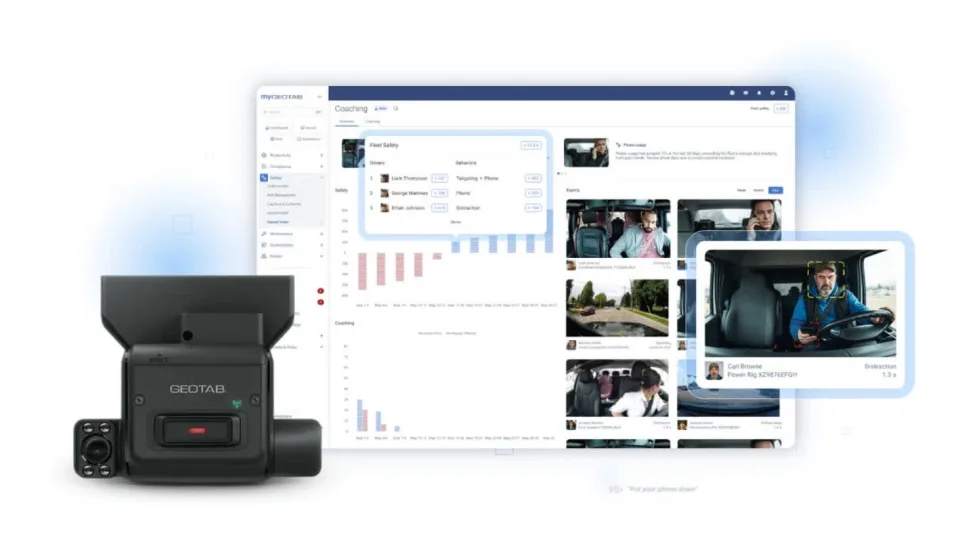
Geotab Expands Fleet Safety Tools With Video Coaching, Risk Insights
New safety and video capabilities aim to help fleet managers assess risk, support drivers, and take targeted action through video coaching, red-light violation detection, and more.
Read More →
How to Build a Better School Bus Driver Training Program
Is it time to strengthen your driver training? Here’s how to pick the right talent and improve recruitment, retention, and safety. This video is brought to you by IC Bus.
Read More →
Recent School Bus Accidents Leave 2 Dead, 2 Injured
Four school bus crashes in Florida, Illinois, and Georgia highlight risks in transportation lots, at bus stops, and during student loading and unloading.
Read More →
When Every Second Matters, Clarity Keeps Routes Moving
From routine delays to urgent incidents, strong communication practices help drivers, dispatchers, schools, and families respond with confidence.
Read More →
What Happens When a School Bus Catches Fire — and What Can Help
School bus fires are rare but can be devastating. Learn how advances in fire suppression and asset protection help fleets detect fires earlier, reduce damage, and improve safety.
Read More →
Geotab Launches Tool to Help Fleets Investigate Road Incidents
Geotab Investigations combines telematics data, video, documents, and other evidence to help fleets reconstruct incidents, resolve claims, and determine what happened.
Read More →
Texas Sixth Grader Wins 2026 National School Bus Safety Poster Contest
Sai Darshana Yekolu of Moseley Middle School in Prosper, Texas, was named the newest winner for her artwork, bringing the theme of “Safe Rides, Everyday Heroes” to life.
Read More →