




The right way to make a left
There’s no good way around it: We have to turn left sometimes, often without the “protection” of a solid green arrow. For school bus drivers, training to “perfect the art” of knowing the bus and how to steer it will allow them to focus on watching out for objects in the intersection.

Two wrongs don’t make a right, but do three rights make a left?
Perhaps you’ve heard stories of drivers who — whether due to a past accident or just an extreme dedication to caution — refuse to make left turns.
These motorists, we’re told, will go to literal great lengths to chart a course to their destination that avoids left turns.
This would often entail overshooting the mark (i.e., where the average driver would turn left), then making a right, making another right and making yet another right (hence, a left turn substitute).
Whether anyone really does — or could — completely avoid left-hand turns, I’m not sure. But, undoubtedly, there are real risks associated with making a left.
Training on turning
Donna Anderson, a transportation programs consultant with the California Department of Education, recently gave a conference presentation about making left-hand turns safely and correctly.
She told me later that the presentation highlighted “the need for training based on the tragic accidents that have occurred in our state.” Last year, there were two incidents in California in which pedestrians were fatally struck by school buses making left turns.
According to Anderson, one of the key dangers in turning left in a school bus is the limited visibility, which is mainly due to the blind spots created by the bus’ multiple mirrors. Of course, the mirrors are essential, as is the proper adjustment of them.
Anderson points to several critical elements in ensuring safe turns:
• Assess depth perception through training.
• Adjust mirrors properly, and practice proper mirror use.
• Look around the mirrors to avoid blind spots.
• Look around for fixed and movable objects.
• Know the turning capability of the vehicle.
• Establish the correct turning points.
Risks in ‘permitted’ lefts
One area that calls for heightened caution is the “permitted” left turn. This differs from the “protected” left turn in that there is not a solid green arrow to give the turning driver the complete right of way.
A recent study on permitted left turns, conducted in a full-scale driving simulator, found that about 4% to 9% of the time, drivers don’t look to see if there are pedestrians in their way.
Researchers at the Oregon State and Portland State universities said that permitted left turns are often allowed by a “confusing hodgepodge” of signals, and drivers may have to pick their way through narrow windows of oncoming traffic.
The researchers said their study found that permitted left turns present an “alarming” level of risk to unwary pedestrians crossing the street.
The research showed that as drivers wait to make a permitted left turn, they focus mainly on the traffic and the signal, rather than pedestrians, and often lunge into narrow openings in oncoming traffic. The heavier the traffic, the less attention paid to pedestrians, according to the study.
There’s no good way around it: We have to turn left sometimes, often without the “protection” of a solid green arrow.
For school bus drivers, as Anderson notes, training to “perfect the art” of knowing the bus and how to steer it will allow them to focus on watching out for objects in the intersection.
More Safety
Illegal School Bus Passing Drops 24% in New York Districts
With fewer than 5% of citations involving repeat offenders, Westchester County officials said enforcement, education, and community partnerships are helping change driver behavior.
Read More →
School's Back. Here's What Happened to Traffic, Speeding & Distraction
What happens to traffic when school resumes? New data analysis examines changes in distracted driving, congestion, and speeding around schools.
Read More →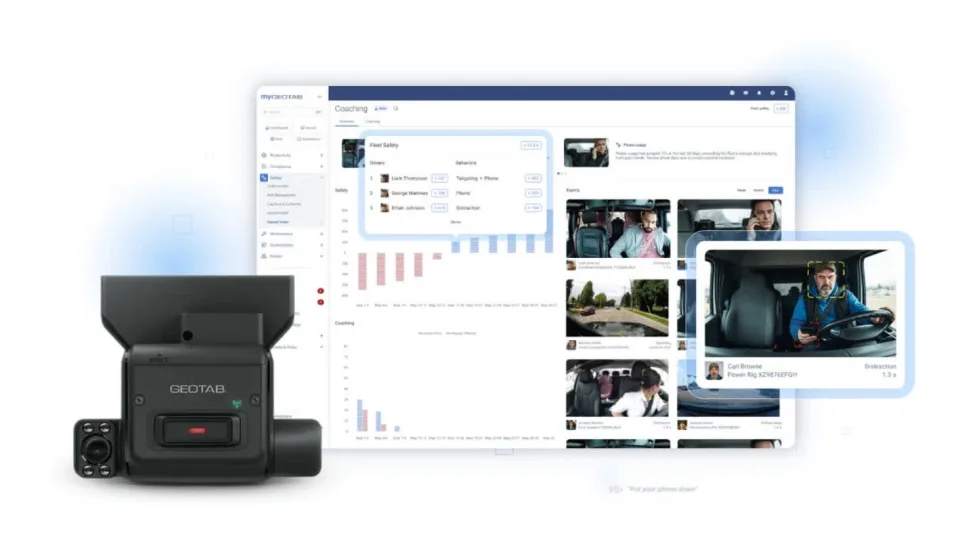
Geotab Expands Fleet Safety Tools With Video Coaching, Risk Insights
New safety and video capabilities aim to help fleet managers assess risk, support drivers, and take targeted action through video coaching, red-light violation detection, and more.
Read More →

How to Build a Better School Bus Driver Training Program
Is it time to strengthen your driver training? Here’s how to pick the right talent and improve recruitment, retention, and safety. This video is brought to you by IC Bus.
Read More →
Recent School Bus Accidents Leave 2 Dead, 2 Injured
Four school bus crashes in Florida, Illinois, and Georgia highlight risks in transportation lots, at bus stops, and during student loading and unloading.
Read More →
When Every Second Matters, Clarity Keeps Routes Moving
From routine delays to urgent incidents, strong communication practices help drivers, dispatchers, schools, and families respond with confidence.
Read More →
What Happens When a School Bus Catches Fire — and What Can Help
School bus fires are rare but can be devastating. Learn how advances in fire suppression and asset protection help fleets detect fires earlier, reduce damage, and improve safety.
Read More →
Geotab Launches Tool to Help Fleets Investigate Road Incidents
Geotab Investigations combines telematics data, video, documents, and other evidence to help fleets reconstruct incidents, resolve claims, and determine what happened.
Read More →
Texas Sixth Grader Wins 2026 National School Bus Safety Poster Contest
Sai Darshana Yekolu of Moseley Middle School in Prosper, Texas, was named the newest winner for her artwork, bringing the theme of “Safe Rides, Everyday Heroes” to life.
Read More →
Doing More With Less: How Transportation Directors Can Prioritize Safety Amid Budget Uncertainty
With diesel prices soaring and nearly one-third of transportation directors expecting budget cuts, maintaining student safety has never been more challenging. Download this guide to learn how leading districts are prioritizing risk, funding critical safety technology, and building stronger budget cases with data.
Read More →