




The Multiple Benefits of Multiplexing
Many students who ride America’s school buses every day are outfitted with new technology such as cell phones, MP3 players, portable video games and o...

Many students who ride America’s school buses every day are outfitted with new technology such as cell phones, MP3 players, portable video games and other electronic devices. But they aren’t the only ones with the latest high-tech gadgets. While the trend of technology has grown with students, the buses that transport them to and from school also feature groundbreaking new technology as well.
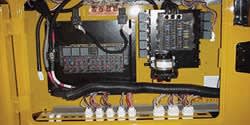
Many school buses are now being built using multiplexing technology. Multiplexing is the ability for multiple electronic messages to be sent over a single pair of wires (see sidebar on following page). This allows multiple electrical loads to communicate through one pair of wires compared with having several wires to accomplish the same job. Non-multiplexed electrical systems typically have four to five wires per electrical load.
Multiple benefits cited
For school bus fleets, having a bus with multiplexing provides a number of advantages to fleet managers, maintenance personnel and drivers. First, the reduction in the number of wires is important. Multiplexed school buses can result in up to a 40 percent reduction in wires, which makes it easier for maintenance managers to troubleshoot electrical problems for faster repairs and increased uptime.
“Multiplexing gives us the ability to reduce the number of connectors, crimps and splices,” says Tricia Epstein of Weldon Technology, which manufactures the V-MUX multiplexing unit for school buses.
Epstein says the V-MUX has three-way switching, flashers, a load manager and a direct PC interface that allows downloading of new programs and reconfigurations.
On- and off-board diagnostic tools associated with multiplexed systems can provide up to 80 percent faster diagnostics for quicker repair times and increased uptime.
In the case of IC Corp., off-board diagnostic tools display trouble codes and condition descriptions with a direct link to IC Corp.’s product service manuals so maintainers have better support for diagnosing and correcting any issues.
Customization possible
Multiplexing also provides flexibility for fleet managers to program their buses in a customized way in order for drivers to operate at the highest level possible.
For example, IC Corp. school buses are outfitted with multiplexed wiring called the International Diamond Logic Electrical System that allows programming to meet specific needs.
If a district wanted to program a school bus to automatically activate overhead red flashers and the stop arm when the door opens, it can easily be done with the advanced wiring system. These features are already standard on IC Corp.’s CE bus, which is multiplexed and uses the one-button stop feature on the steering wheel to activate the stop arm, flashing lights and passenger door control.
{+PAGEBREAK+} It also eliminates the need for a second person to observe the lights while the driver is manually turning them on. The light check is possible for buses that are not multiplexed, but it could result in a real wiring nightmare with the amount of relays and overrides required.
“We’ve worked extensively with school bus drivers from around North America, and we’ve learned that one of the biggest tools that can help them ensure the safety of their passengers is the technology being integrated into today’s school buses,” says Randy Ray, IC Corp.’s bus platform marketing manager.
Enhanced communication
With a multiplexed wiring system, engine, transmission, instrument panel and other bus components continuously communicate with each other electronically — monitoring critical bus functions and relaying information to the driver to ensure efficient operation.
Multiplexed school buses offer factory-installed interface modules that provide a centralized connection point for all added equipment. These factory-installed switches with custom labels are ergonomically positioned for use when integrating equipment such as flashing lights, wheelchair lifts, etc. — improving the overall look and feel of the bus, and increasing driver comfort, productivity and retention.
Wheelchair lift interlocks are another feature that utilize multiplexing. Federal Motor Vehicle Safety Standards 403 and 404 require a new set of standards for school buses and equipment, including specific performance criteria for school bus lights, counters and lift-specific interlocks. For example, wheelchair lifts can’t be activated until the bus is in neutral and parked. With multiplexed school buses, the bus can be programmed to understand when it meets those conditions to power the wheelchair lift. Multiplexing can also restrict the bus from being driven away until the lift is fully stowed.
Transition to telematics
Multiplexing lays the foundation for the next generation of bus electronics, called telematics — the wireless tracking and reporting of bus location and performance. IC Corp. now offers International Aware Vehicle Intelligence on its school buses. It is currently available as a retrofit option and is targeted for factory installation in late fall 2005. Aware is also available as a retrofit option on other makes of school buses, but it may not be as integrated as IC Corp. models depending upon the level of wiring the bus offers.
With the Aware system on IC Corp. buses, fleet managers are no longer challenged by not knowing exactly where the buses in their fleet are and how they are performing. Through a password-protected Website, fleet managers can monitor their school buses in real-time from their computer. Because Aware uses a Web-based system for tracking and reporting, no additional software is required to load onto the user’s computer.
Through a GPS locator installed on buses, school administrators can access the precise bus location at all times. The system provides a detailed route history and a record of stops to optimize driver routes for fuel efficiency. The record of stops can also be used as confirmation of pick-up or drop-off of students.
The system also remotely monitors body equipment to prevent potential problems, track operating hours for more efficient maintenance schedules and monitor equipment usage for future specs. Driver performance can be monitored with brake applications, over- speed and engine rpm reports.
{+PAGEBREAK+} A home notification feature allows the bus driver to contact the fleet office with the push of one button in the event of breakdown, security issue or child medical emergency. Instead of having to dial a cell phone number, possibly while still driving, a bus driver can simply push a designated button on the control panel to alert the transportation office. If the switch has an LED light, it can be programmed to blink when the button is pressed and become steady when the office has acknowledged the message.
Key systems monitored
For maintenance professionals, a multiplexed wiring system with telematics provides advanced diagnostics and maintenance support. The system monitors battery power, idle time, operating hours and odometer readings. Fault-code monitoring provides notification of critical faults for early warning of component issues. It can also optimize service intervals, service operations and record keeping.
One of the most impressive features of the Aware product is the “geofence” option. Fleet managers can create virtual boundaries on a map to alert them immediately if a bus leaves a particular area or enters an area it should not be in. If a bus crosses the geofence area, an alert is sent immediately to the computer, cell phone or PDA of a designated school official to let him know that a school bus is not driving in its normal routine.
“Passenger protection is our No. 1 priority,” Ray says. “The technology of today is allowing schools to keep better track of bus location and performance.”
How multiplexing works
Multiplexing is a method of combining several signals for communication on a shared channel or medium. This is much like cable television in the home having the ability to carry many channels through a single wire.
Multiplexing began in the telecommunications industry essentially by being able to put more than one call down a single line. And the best method of explaining this complex technology still lies in the communication example.
In the old method of wiring, when two people talked to each other, they required one wire. When a third person was added, two more wires had to be connected in order for everyone to communicate with each other. As a fourth person joined the conversation, three more wires had to be added to join all the parties. A fifth person increased the wiring complexity geometrically, and more people multiplied the problem almost exponentially.
This has been the general trend with vehicle wiring as well. As the transportation industry added more and more features to vehicles, the complexity of the electrical system grew to the point where it became unreliable, difficult to understand and often challenging to troubleshoot. This was compounded in bigger vehicles like buses, where large bundles of wires had to be strung from one end of the vehicle to the other. This, of course, made for a convoluted engineering challenge and increased the overall weight of the vehicle.
Using the communication example, two people conversing send their signals through a multiplex module, which distributes the signal. Additional people joining the conversation only add one wire per person to the multiplex module.
In a vehicle’s electrical system, this in essence means that different components can communicate with each other and the operator more efficiently and effectively.
More Safety
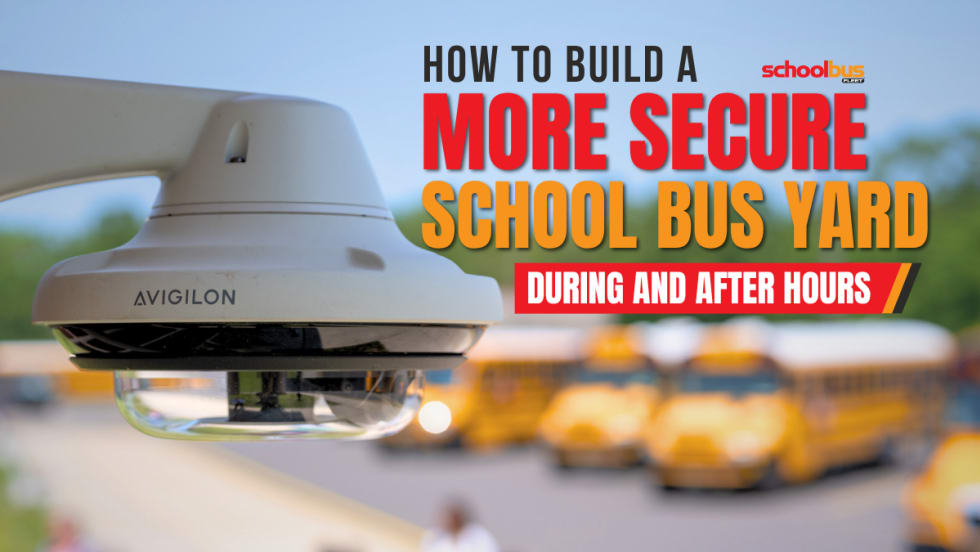
How To Build a More Secure School Bus Yard During and After Hours
As thefts and overnight security threats continue, school transportation leaders are combining stronger operational practices with AI-enabled surveillance to better protect buses, facilities, and staff.
Read More →
FMCSA Names New Chief Safety Officer: What School Bus Operators Should Know
Steve Dowling is set to lead the federal agency's efforts to advance commercial motor vehicle safety and reduce crashes, fatalities, and injuries on the nation's roadways.
Read More →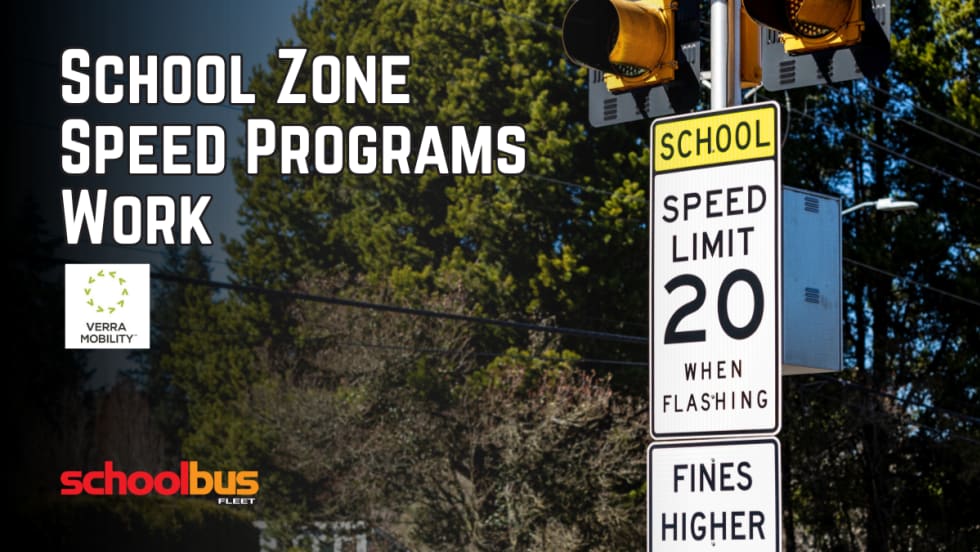
New Study Finds School Zone Speed Safety Cameras Cut Speeding Violations 97%
A Florida university's research demonstrates that Verra Mobility's automated enforcement changes driver behavior and significantly improves school zone safety.
Read More →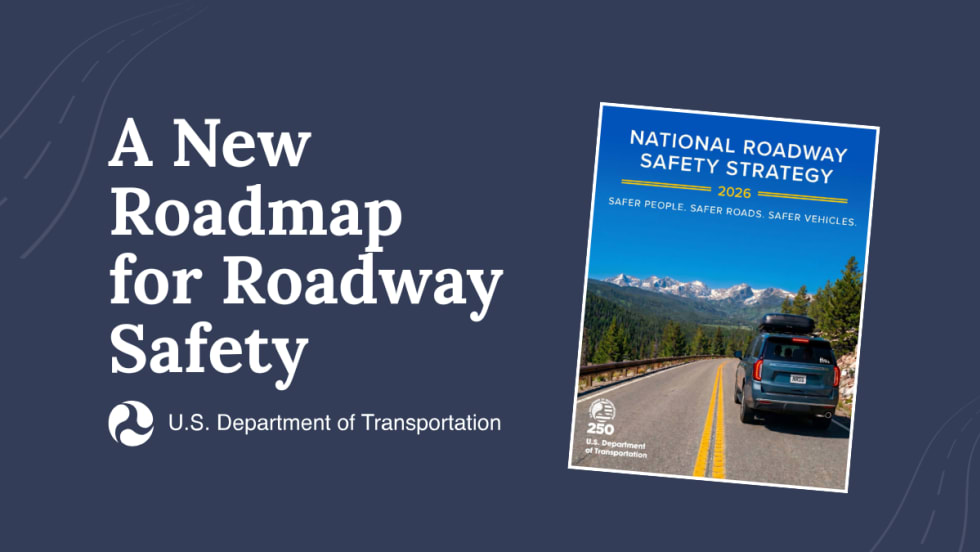
What Changed in DOT’s New National Roadway Safety Strategy?
The federal agency's new plan shifts its focus to safer people, roads and vehicles, with a new three-pronged approach instead of five. One outlined action even addresses a key industry concern around illegal school bus passing.
Read More →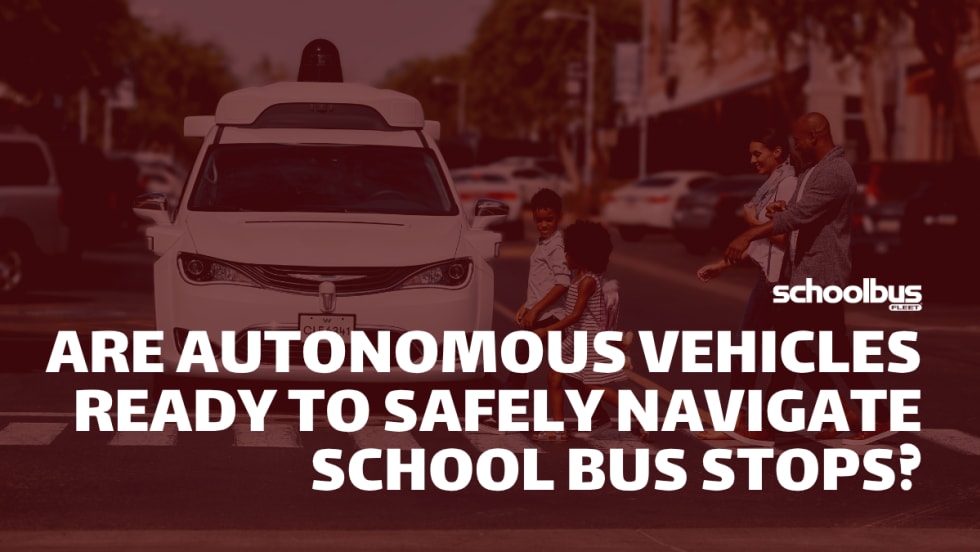
Are Autonomous Vehicles Ready to Safely Navigate School Bus Stops?
NHTSA is accelerating autonomous vehicle deployment through new safety standards and commercial approvals. See why school transportation leaders are watching.
Read More →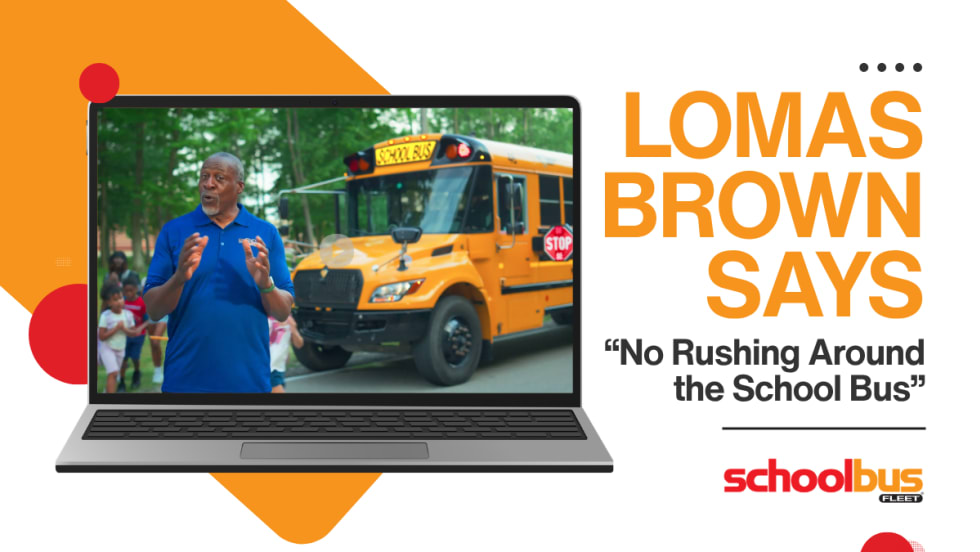
NFL Star Lomas Brown Kicks Off New Illegal School Bus Passing PSA
Just in time for the back-to-school season, the former Detroit Lions offensive tackle took time to record a video encouraging motorists to slow down around school buses.
Read More →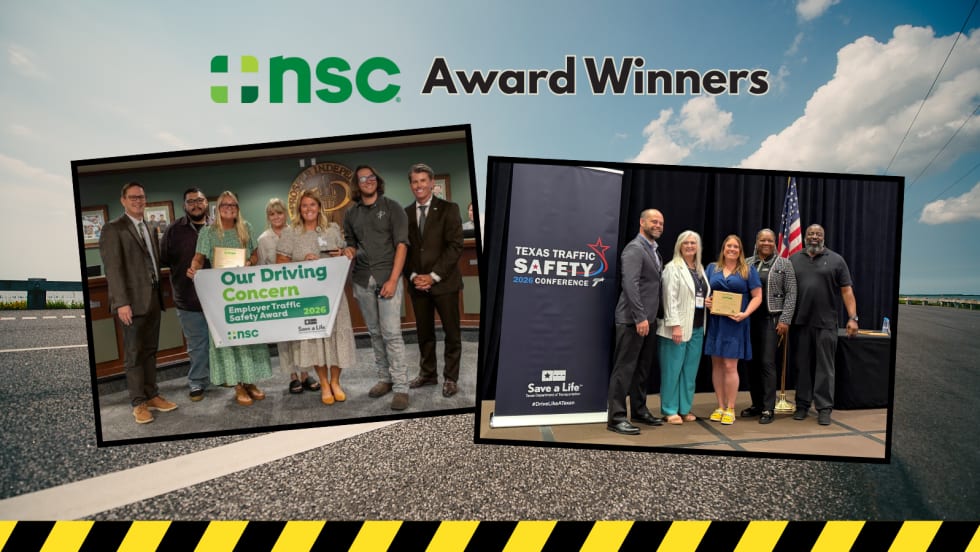
How Two Texas Districts Built Award-Winning Safety Programs
Learn how Prosper ISD and Rockwall ISD earned National Safety Council honors through hands-on training, safety culture, and strategies that reduced transportation incidents.
Read More →
NHTSA Releases 10-Year Review of Fatal School Bus Crashes
The latest federal analysis reinforces the safety of school buses while identifying where school-age pedestrians and other motorists remain most at risk.
Read More →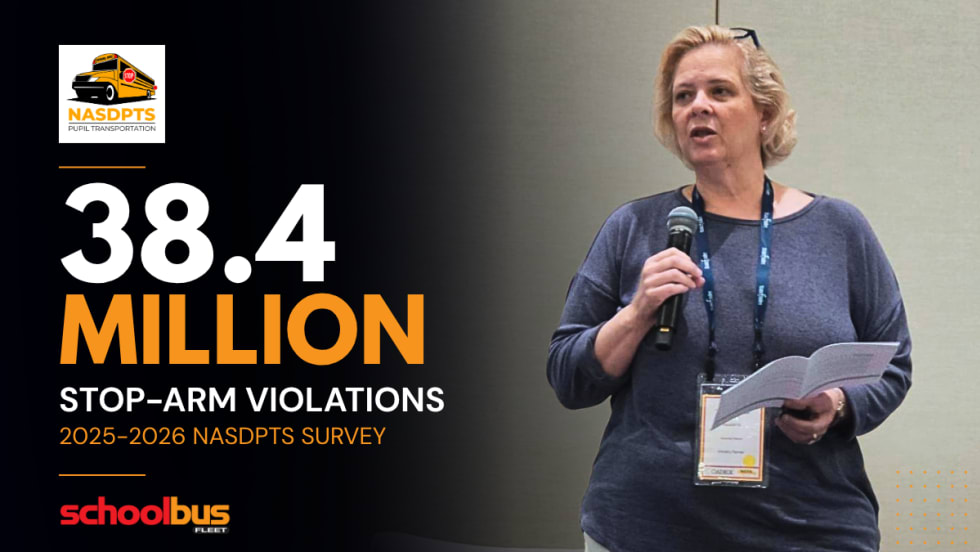
2026 NASDPTS Survey: Data Shows Further Reduction of Illegal Passing
New data is in! School bus stop-arm passings are down to 38.4 million violations per year, about a 2.3% decrease from last school year — but passings on the right side of the bus are higher than ever.
Read More →
Another School Bus Fatality Reported in Monsey, New York
A 7-year-old girl died after being struck by a school bus in Rockland County, New York while crossing the street. Here's what we know.
Read More →