



Take time to fine-tune your parts operation — now
For a variety of reasons I'll get to in a moment, the school bus industry will likely need to hang onto existing buses a bit longer and order more spa...
For a variety of reasons I'll get to in a moment, the school bus industry will likely need to hang onto existing buses a bit longer and order more spare parts than usual. Fortunately, however, a growing number of manufacturers have responded to this need. Therefore, it is incumbent upon you, the school transportation managers, to know what you're up against, and to take advantage of the solutions out there. Those who don't will be more a victim of their own procrastination than any marketplace conditions, however real. Why focus on parts?
There are several reasons why school bus operators will need to pay attention to their parts inventories more than in the past. First, while budgets for new buses have been healthier than they've been in a long time throughout most areas of the country, they still haven't kept up with all of the need. You know that budgets haven't addressed either your backlog of new bus orders or keeping pace with the growing transportation demand, thanks to the historic levels of enrollment in the nation's public schools. SCHOOL BUS FLEET's own survey data pretty much support that conclusion, as new bus orders have been hovering around the 37,000 unit level in recent years. The second reason why you'll need to think about parts is a little more short-term, however. In this publication and others, you've no doubt read about the bus production and delivery bottlenecks caused by the shortage of Allison transmissions. This isn't only because Allison underestimated the demand for those subsystems; I don't think anyone expected the overwhelming growth in all affected markets, not just in the school bus segment. The transit bus market, for example, hasn't been as healthy as it now is in decades, and the truck industry — the real "600-pound gorilla" in the heavy vehicle markets — has reached similar record levels. Demand for tour coaches and shuttle buses is similarly head-spinning. Now, contrary to some Chicken Littles' predictions out there, this is probably a temporary bottleneck that might take a year and a half to go away at most. Still, the result of all this is that for a while you'll have to adopt a "Baskin Robbins" strategy: Take a number. Be patient. Manufacturers ease the process
Fortunately, several manufacturers are offering some pretty innovative tools to help you with parts inventory management. For example, Navistar has launched its Diamond Connection(tm), a computer-based stock management system that tracks what you have on hand, when you bought and used it, and even comes with a way to automatically order parts when the system recognizes that inventory is getting below recommended levels. Freightliner Custom Chassis Corp. offers a similar system called Parts Pro, which has been in use for about five years. A less high-tech approach is that by AmTran Corp. It recently created a parts council that will function like its dealer advisory group but will devote all its attention to aftermarket issues. In forming the new council, AmTran noted that its parts volume has doubled in the past three years.
More Maintenance

Cummins on Smarter, Simpler Engine Innovation
Cummins discusses its first-ever gasoline engine for school buses, EPA 2027, and why bus fleets still want durable, simpler internal combustion options.
Read More →
Report: 72% of Diesel School Buses Now Use Advanced Low-Emission Engines
New data shows advanced low-emission diesel technology continues expanding across school bus fleets, even as electric bus adoption gains momentum.
Read More →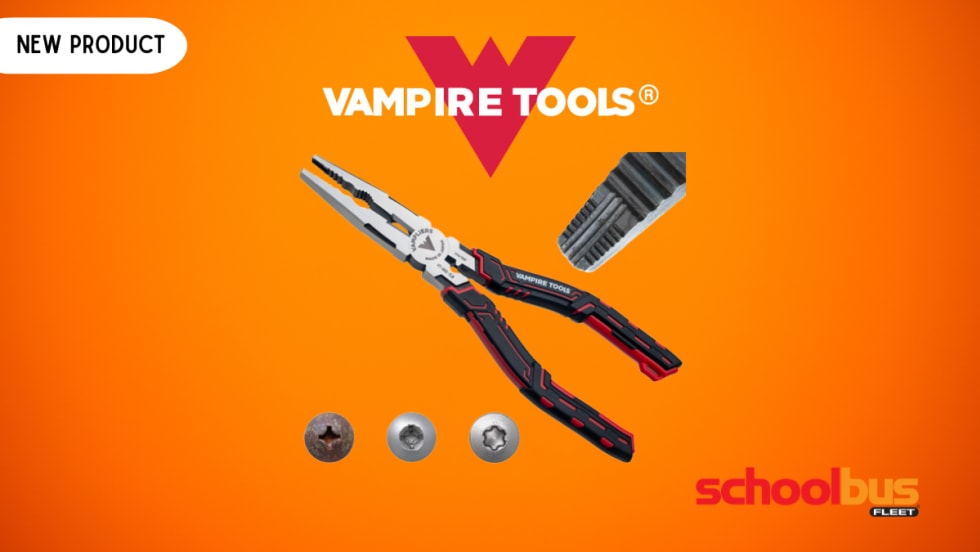
Vampire Tools' CAIMAN 7.5-Inch Multi-Purpose Screw Extractor Long-Nose Pliers with Crimper
Vampire Tools introduced the VAMPLIERS Caiman 7.5-inch multi-purpose pliers, combining screw extraction, cutting, crimping, and gripping functions into a single tool designed for fleet maintenance professionals.
Read More →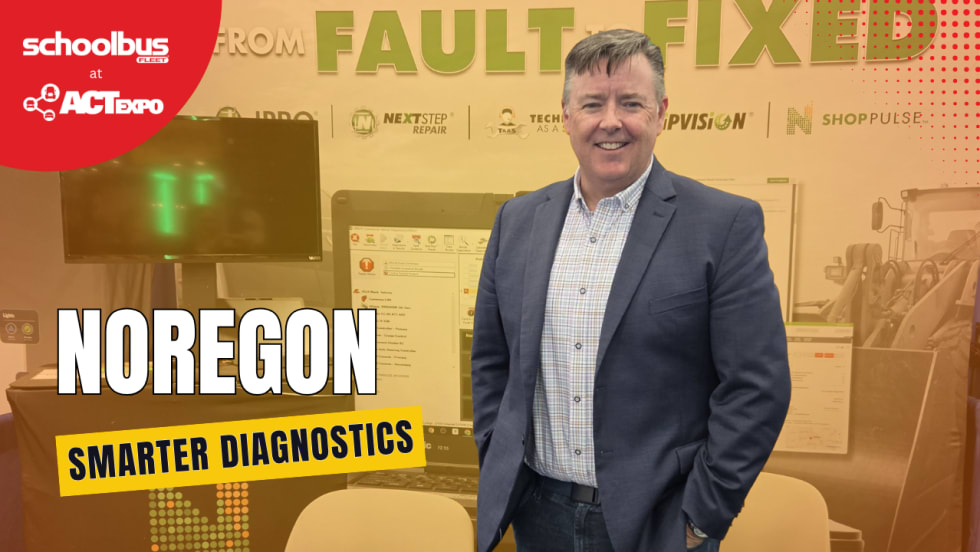
How Advanced Diagnostics Helps Bus Fleets Stay Ahead of Repairs
Chat with Noregon’s Kevin Smallhorn at ACT Expo about bus diagnostic tools, telematics integration, CNG maintenance support, and strategies to help reduce downtime and improve uptime.
Read More →
How School Bus Fleets are Getting Ahead of Breakdowns
Don’t let bus downtime wear you down. Here’s how bus operators are shifting from manual processes to AI-powered, data-driven maintenance systems for improved reliability and safety.
Read More →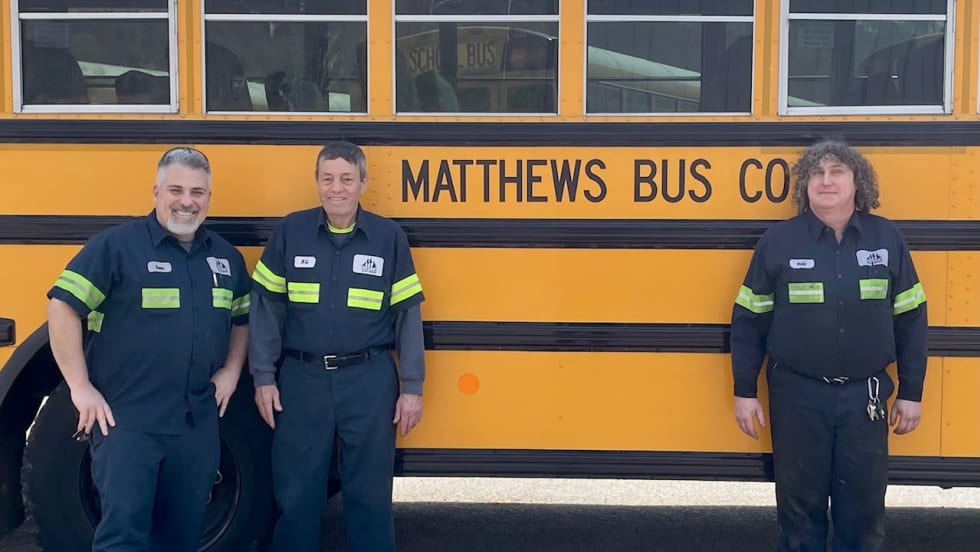
Pennsylvania School Bus Maintenance Team Praised for Dedication to Safety
Matthews Bus Company’s West Jefferson received a letter of commendation from the Pennsylvania State Police for their fleet inspections.
Read More →
From Chaos to Clarity: How School Districts Are Running Leaner Transportation Operations
Covering 38 routes on a Friday afternoon. Buses idling while routes overlap. Parents calling nonstop about late arrivals. Sound familiar? This whitepaper explores how district transportation leaders solved these exact problems — and what measurable results followed.
Read More →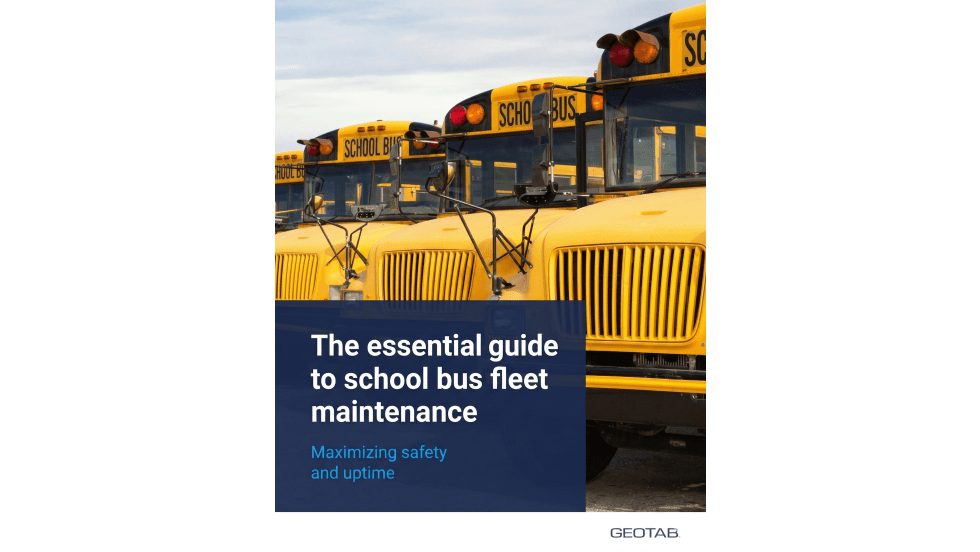
The New Playbook for Safer, Smarter School Bus Maintenance
As school districts juggle aging buses, technician shortages and rising safety expectations, proactive fleet maintenance is becoming essential. This guide explores how telematics, predictive maintenance and real-time vehicle data can help transportation departments reduce breakdowns, extend vehicle life, improve compliance and keep students safer on the road.
Read More →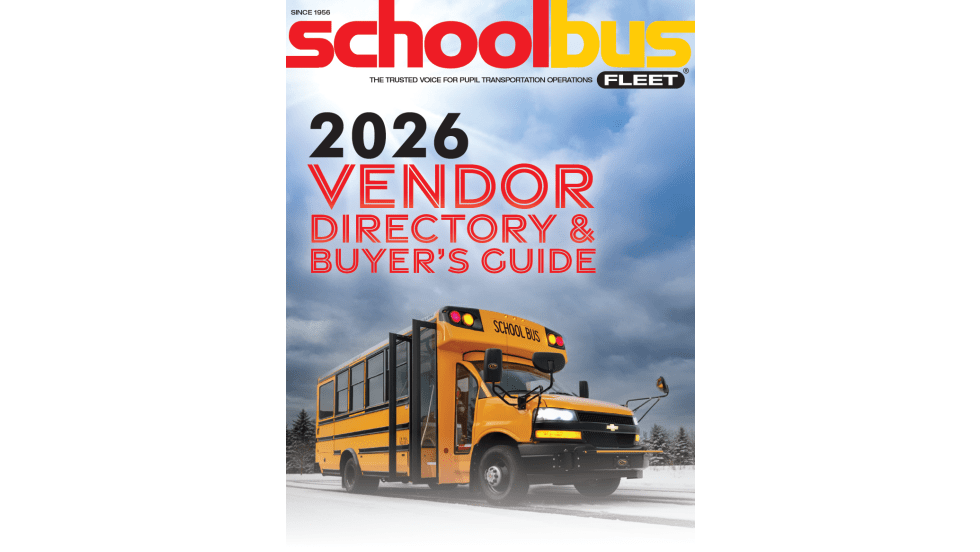
2026 School Bus Fleet Vendor Directory & Buyer's Guide
Searching for the right equipment, technology, or services for your school transportation program? This industry guide brings together manufacturers and suppliers across the entire school bus market, all in one place. Download it to find the partners who can help move your operation forward.
Read More →
2026 School Bus Maintenance Survey
What top challenges are school bus maintenance teams facing in 2026? Explore new trends from School Bus Fleet’s annual maintenance survey covering fleet composition and age, fuel types, used vs. new purchasing patterns, technician pay and certifications, and the impact of the driver shortage. Survey sponsor: Dayton Parts.
Read More →