




Sustaining a vital link between school and home
When it came time for the wheels on the bus to go ‘round and ‘round to take my 3-year-old son to developmental preschool, this nervous mother was abou...
When it came time for the wheels on the bus to go ‘round and ‘round to take my 3-year-old son to developmental preschool, this nervous mother was about to slam on the brakes.
Then I received a cheerful phone message. “Hello! This is Dorothy from Edmonds Transportation. I’m going to be Zachary’s bus driver this year, and I’ll pick him up at 7:45 every morning. Please call me if you have any questions. I’ll see you Monday.”
When the bright yellow school bus pulled up in front of our house, my husband, Jay, and I escorted Zack to its door. “Would you like to come up and see the bus?” Dorothy asked with a smile.
After making sure the seats were equipped to hold our son securely in place, I said, “We were thinking that we’d like to ride with Zack today, just to make sure he’s O.K.”
“That’s great!” Dorothy said. Jay sat next to Zack for the 2-mile ride while I followed in the car. Satisfied that our son was safe and seeing his delight during the trip, we were convinced to let Zack go on his own from then on.
In the five years since that first bus ride, we’ve developed a familial fondness for school bus drivers. It didn’t take long for me to realize that they are as much a part of the team that educates my child as anyone else. When I think about the most effective drivers we’ve had, I recognize five things that make them excellent:
1. They are aware of their place on the team that educates my child. Although safe driving is their primary goal, they don’t limit their job to putting Zack in his seat and driving the large vehicle that takes him to and from school. From the beginning to the end of the bus ride, they engage in positive interaction with Zack that sets him up to have a successful day.
2. They take an active role in communicating with students, parents and teachers. This keeps us all in the loop of what’s happening at home, at school and in-between. A daily exchange of information is essential for the parents of non-verbal children, and it only takes a minute or two while Zack is getting on and off the bus.
3. They extend Zack’s learning by continuing to use the methods his teachers use in the classroom. Through the use of pictures, sign language and specific phrases that give direction, they enable Zack to understand them and increase his ability to communicate in a variety of settings.
4. They provide another venue for Zack to experience inclusion and acceptance. Our driver, Irene, and assistant, Tracie, always greet Zack enthusiastically and provide many opportunities for him to talk, sing and laugh with them. He is thrilled to see them because they are his friends.
5. They teach him important skills of safety and etiquette while riding on public transportation. When Zack began riding the bus, he wore a harness to keep him safe in his seat. As he’s gotten bigger, he’s learned to stay in his seat and sit with his legs out in front of him, so he has advanced to wearing a seat belt. As he developed the ability to put on his own seat belt, his drivers reinforced the rule of keeping it on during travel time.
The impact that a bus driver can have on a child’s school experience is remarkable. When I see Zack jumping up and down in our front yard on frosty mornings as he waits for the bus, I can’t help but be thankful that the wheels on his bus continue to go ‘round and ‘round. Elizabeth Griffin is a freelance writer in Brier, Wash.
More Special Needs Transportation
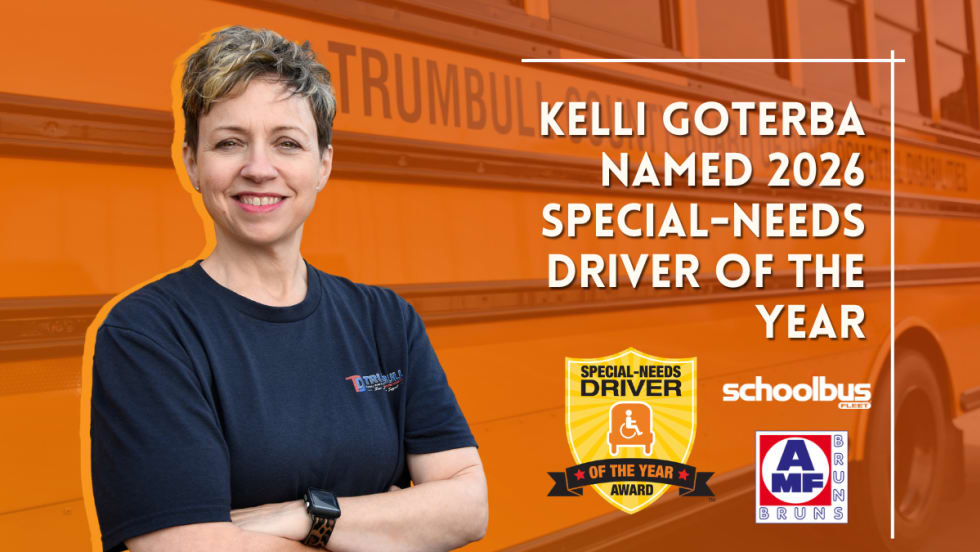
Kelli Goterba Named 2026 Special-Needs School Bus Driver of the Year
Through building trust with students and strengthening her transportation team, Goterba exemplifies the impact special-needs drivers can make.
Read More →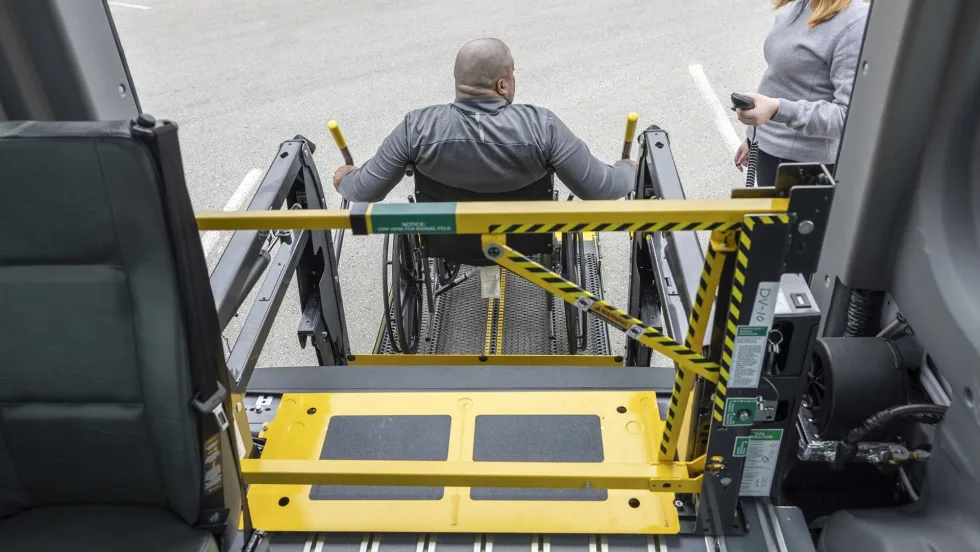
BraunAbility Introduces New Safety Barrier for Wheelchair Lifts
LiftSentinel is designed to add another layer of protection during wheelchair loading and unloading and can be retrofitted to many existing commercial lift installations.
Read More →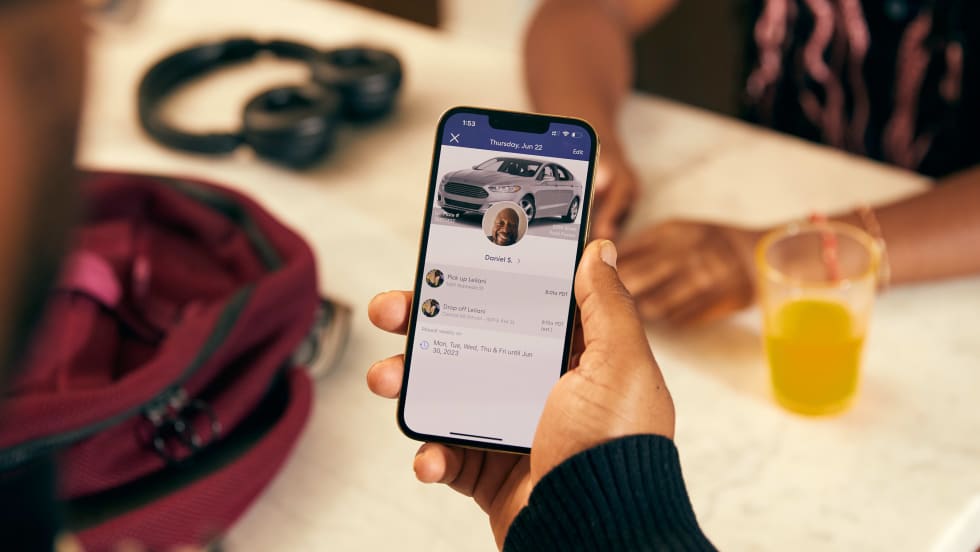
HopSkipDrive Launches New Safety, Driver Consistency Features for 2026-27 School Year
The company’s free ride recording, live ride tracking, and consistent driver assignments aim to improve safety and continuity for diverse student transportation needs.
Read More →
The Most Common Wheelchair Securement Mistakes on School Buses (and How to Fix Them)
Small missteps in wheelchair securement can have serious consequences. Here are 32 tips from experts to reduce risk and increase student safety on the bus.
Read More →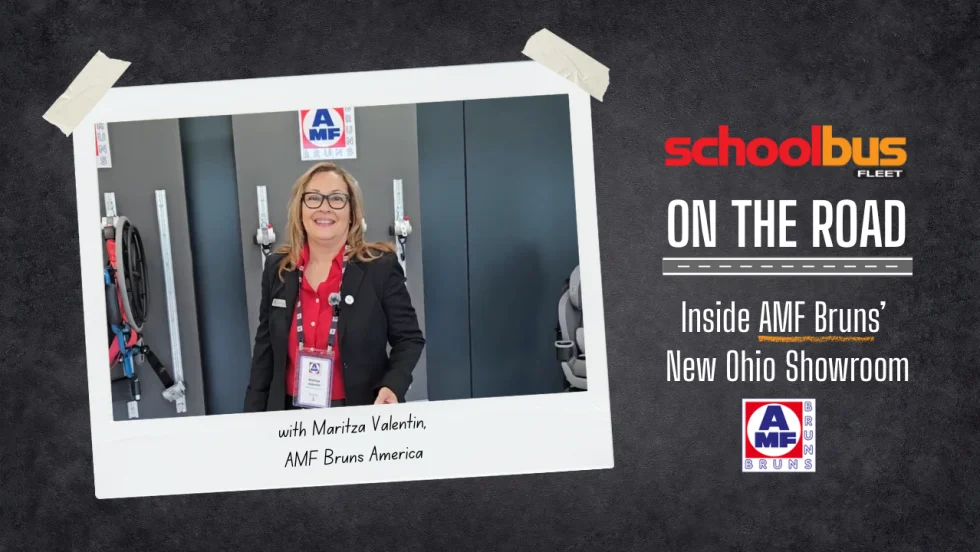
Inside AMF Bruns’ New Showroom: School Bus Securement Solutions Explained
Go inside AMF Bruns America’s new Ohio showroom with Maritza Valentin to see its FutureSafe technology, driver training tools, securement systems, and seating innovations.
Read More →
What AMF Bruns’ New Facility Means for Customers [Video]
Inside AMF Bruns’ new Stow, Ohio, operations: See how expanded space and innovation will enhance customer support and operations.
Read More →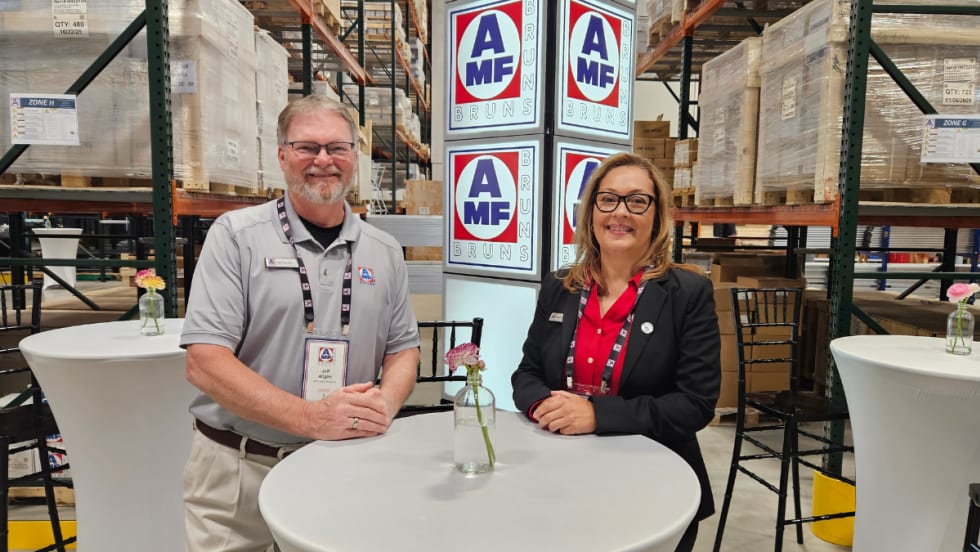
AMF Bruns Expands in Ohio, Investing in Growth and Community
With expanded production space, local investment, and a growing workforce, AMF Bruns is scaling its U.S. presence. Here’s an exclusive first look inside the new Stow, Ohio, HQ.
Read More →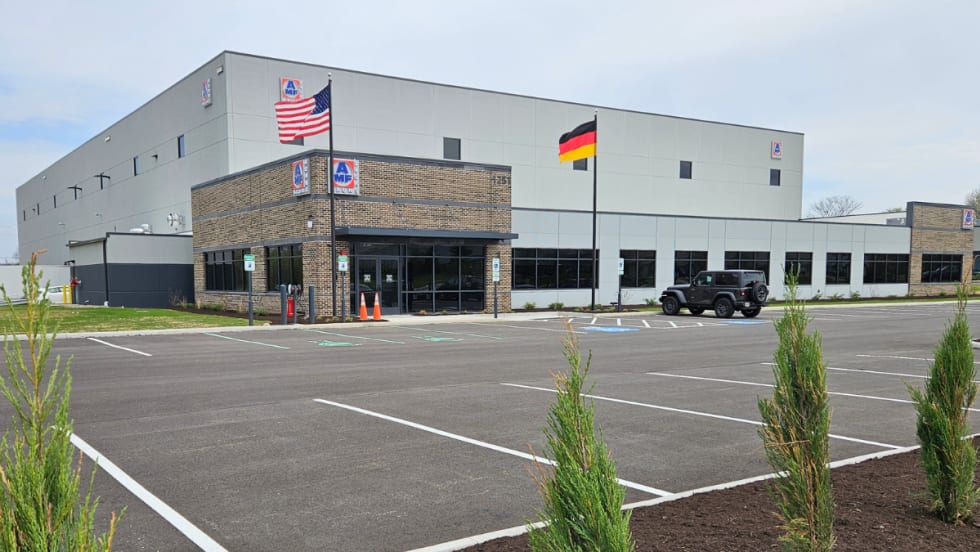
Inside AMF Bruns of America’s New Ohio Manufacturing Facility [Photos]
Take a behind-the-scenes look at AMF Bruns of America’s new 41,000-square-foot Stow, Ohio, headquarters, featuring advanced manufacturing, expanded space, and future-ready mobility solutions.
Read More →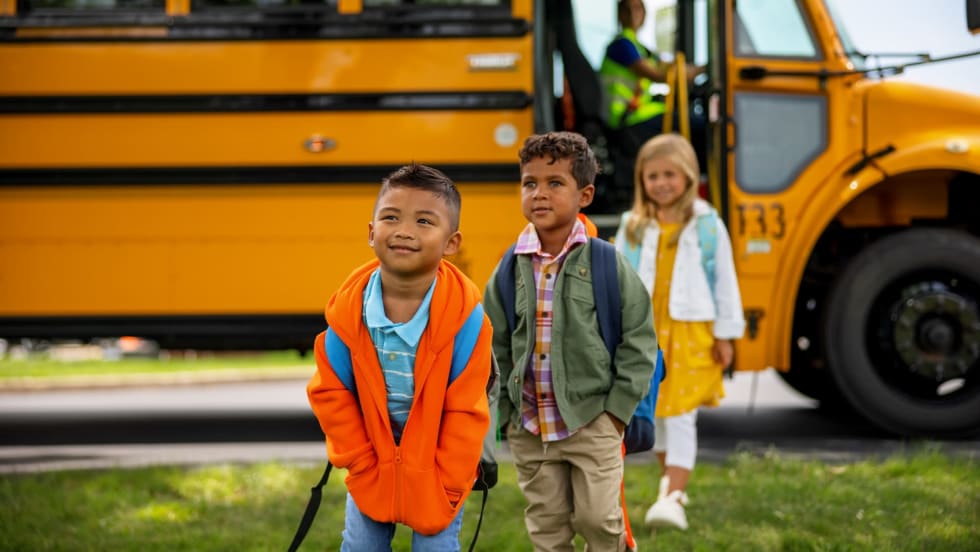
First Student Boosts Student Support in Wichita & Texas
First Student and Wichita Public Schools are using behavioral support strategies to improve student ride experiences, while a separate initiative expands access to after-school programs through a bus donation.
Read More →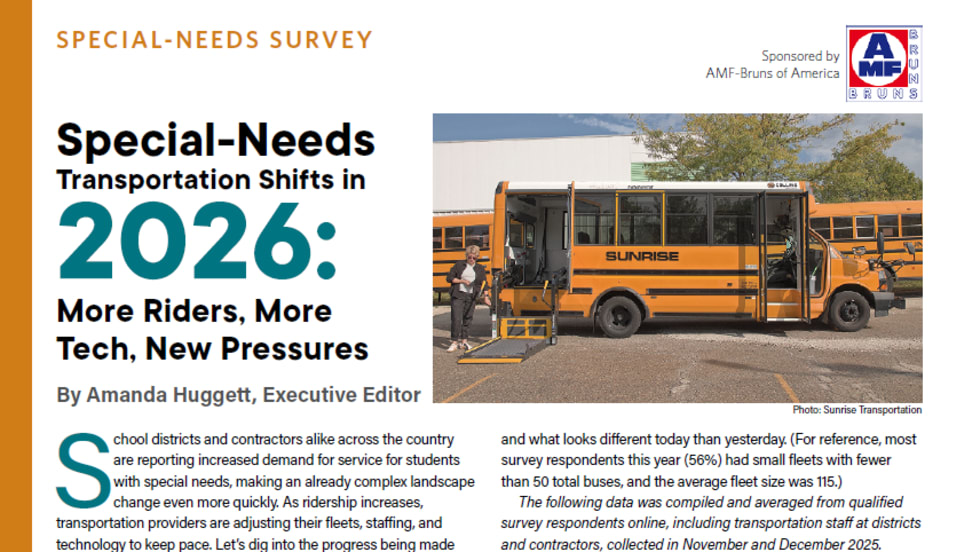
2026 Special-Needs Transportation Survey
What’s changing in special-needs transportation? This year, student transportation operators report a rising need, easing driver shortages, growing tech adoption, and evolving challenges. Sponsored by AMF Bruns of America.
Read More →