




Special-needs students deserve additional effort
With all of the hurdles facing school bus operators — tight budgets, growing regulatory demands, driver/aide shortages and discipline problems on buse...
With all of the hurdles facing school bus operators — tight budgets, growing regulatory demands, driver/aide shortages and discipline problems on buses, among other things—the task of transporting special-needs students has become even more challenging over the past several years.
That’s why we’ve been charting the path of special-needs transportation in annual surveys, the latest of which begins on pg. 20. What we’ve found is that there’s no single challenge that rises well above the others.
Still crunched for funds
With the still-struggling economy weighing heavily on state education budgets, funding issues continue to pressure transportation programs. Unfortunately, the cost of special-needs transportation is high and the enrollment of special-education students is growing. That’s a double-whammy for school transportation, especially as parental demands, reasonable and otherwise, are also increasing.
The respondents of our special-needs survey are all too aware of their predicament: “Our greatest challenge is trying to provide a service keeping in mind the costs and the student ride times. There seem to be more and more special-needs students, yet there does not seem to be more money to help pay for their programs,” said one respondent.
You need to keep fighting for increased funding. School boards have a lot of interest groups to accommodate; the transportation program should make its case at every possible opportunity.
The message should be loud and clear: “Yes, the classroom is at the heart of the educational process, but school transportation is a critical safety concern. Let’s balance these important academic objectives with the very real priority of getting students to and from school safely.”
Training needs to be bolstered
What we’re also hearing is that special-needs students, especially those with serious medical concerns, require drivers and aides who have specialized training. In many cases they’re not getting it. The reasons range from an inability to find qualified personnel to provide the training to the spectrum of disabilities presented by students.
“The disabilities are so diverse,” bemoaned one respondent. Another complained about the lack of opportunity to provide input on the transportation of medically fragile students. The latter problem should be addressed during the student’s Individualized Education Program (IEP) meeting. If transportation representatives are not at the table during these IEP meetings, that situation needs to be remedied.
In a positive development, the Office of Special Education Programs of the U.S. Department of Education has urged the special-education community to work more closely with transportation providers. The agency also voiced support of programs that will produce “well-informed and well-trained” drivers and aides.
These nice-sounding words are better than indifference, but they are merely that — nice-sounding words. It’s up to people like you to force the issue by urging your special-education administrators and specialists to get involved in the transportation process. If nothing else, invite them to visit the bus compound and to ride along on some of your special-needs routes. They might develop some respect for the challenges you face and offer to lend a badly needed hand.
More Special Needs Transportation
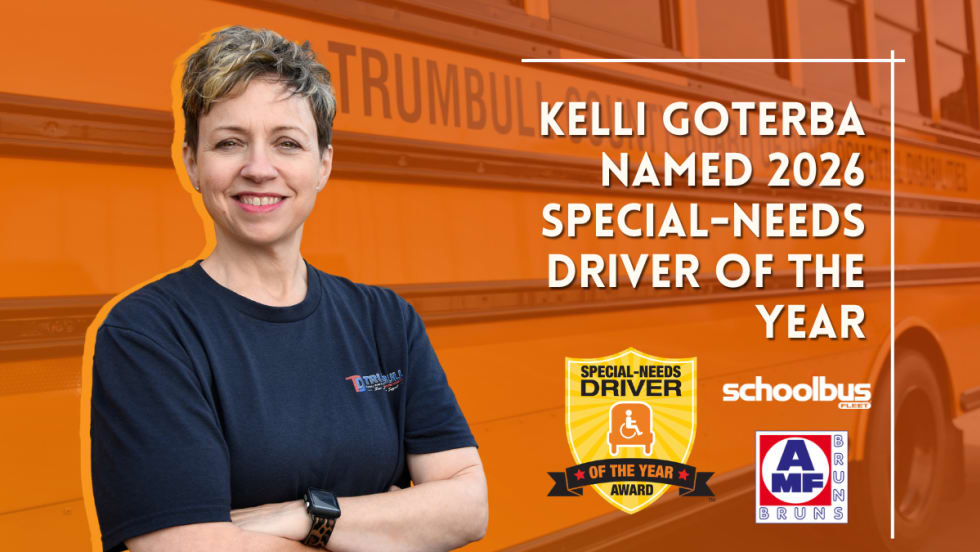
Kelli Goterba Named 2026 Special-Needs School Bus Driver of the Year
Through building trust with students and strengthening her transportation team, Goterba exemplifies the impact special-needs drivers can make.
Read More →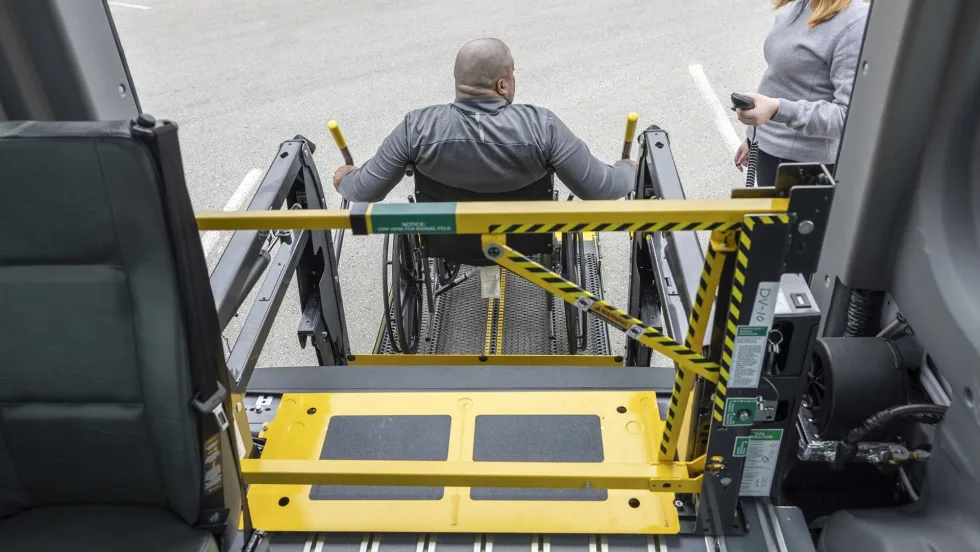
BraunAbility Introduces New Safety Barrier for Wheelchair Lifts
LiftSentinel is designed to add another layer of protection during wheelchair loading and unloading and can be retrofitted to many existing commercial lift installations.
Read More →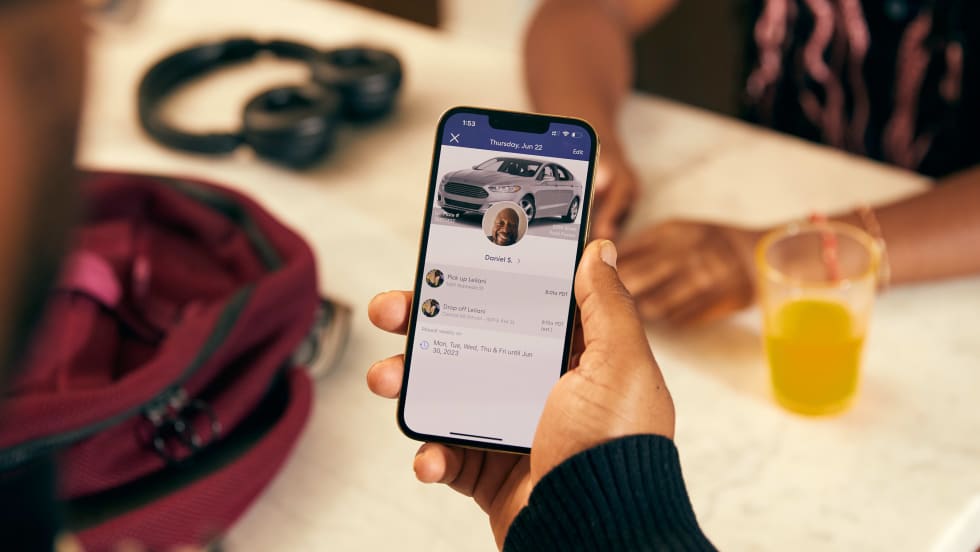
HopSkipDrive Launches New Safety, Driver Consistency Features for 2026-27 School Year
The company’s free ride recording, live ride tracking, and consistent driver assignments aim to improve safety and continuity for diverse student transportation needs.
Read More →
The Most Common Wheelchair Securement Mistakes on School Buses (and How to Fix Them)
Small missteps in wheelchair securement can have serious consequences. Here are 32 tips from experts to reduce risk and increase student safety on the bus.
Read More →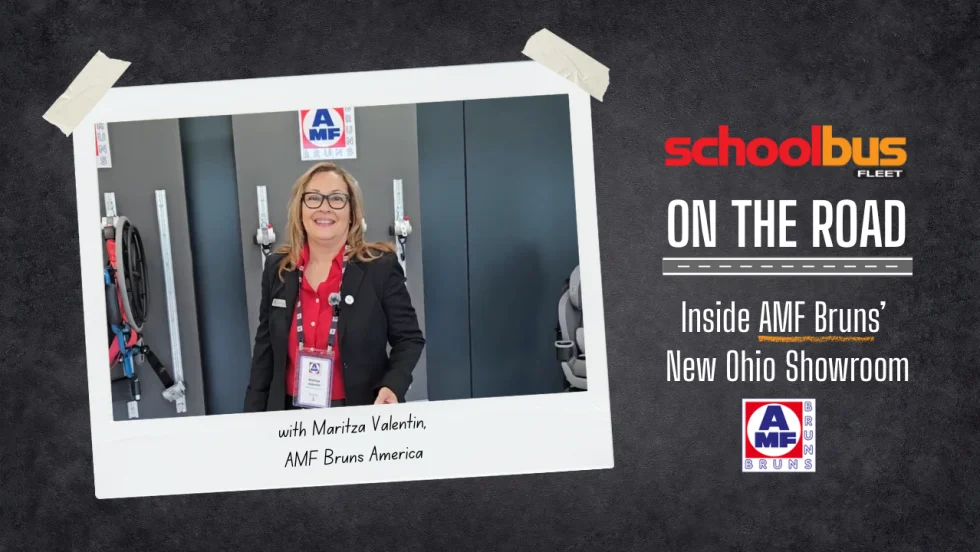
Inside AMF Bruns’ New Showroom: School Bus Securement Solutions Explained
Go inside AMF Bruns America’s new Ohio showroom with Maritza Valentin to see its FutureSafe technology, driver training tools, securement systems, and seating innovations.
Read More →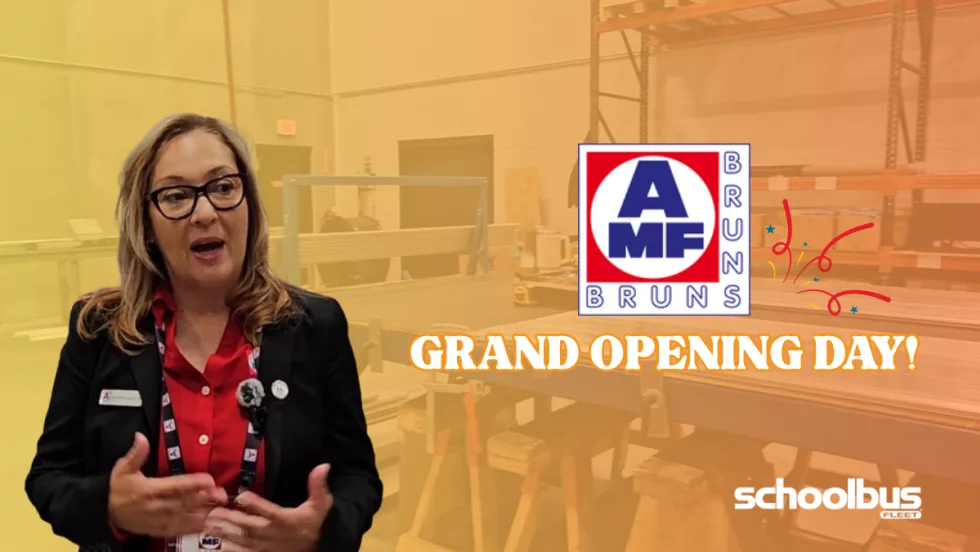
What AMF Bruns’ New Facility Means for Customers [Video]
Inside AMF Bruns’ new Stow, Ohio, operations: See how expanded space and innovation will enhance customer support and operations.
Read More →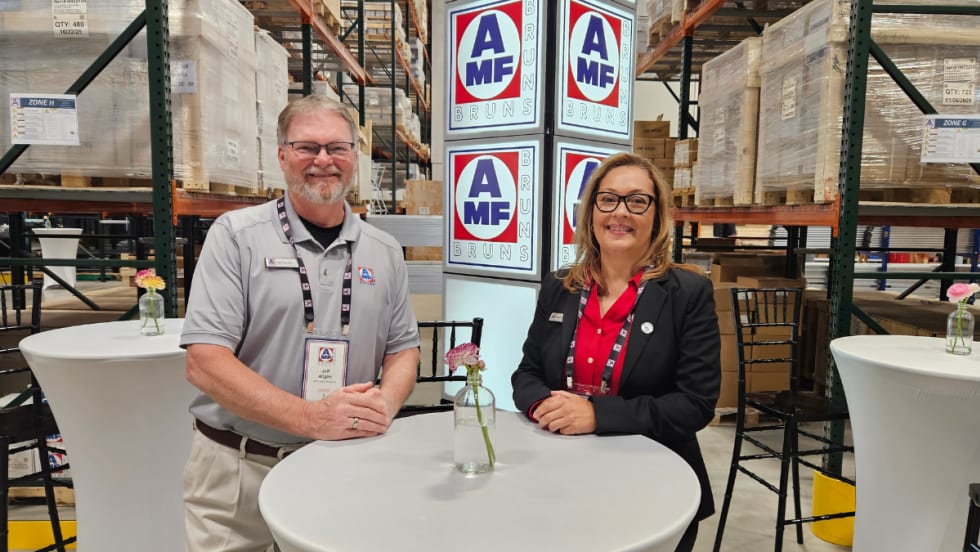
AMF Bruns Expands in Ohio, Investing in Growth and Community
With expanded production space, local investment, and a growing workforce, AMF Bruns is scaling its U.S. presence. Here’s an exclusive first look inside the new Stow, Ohio, HQ.
Read More →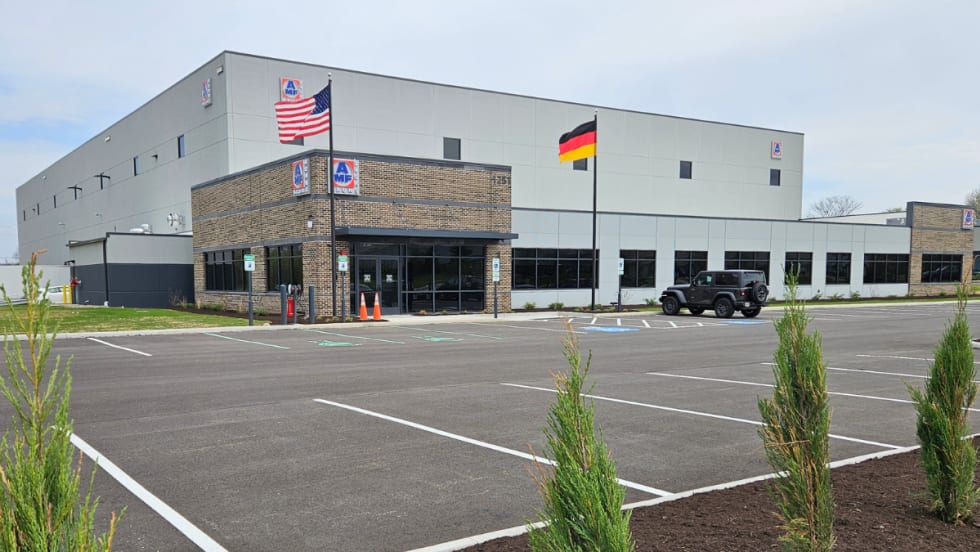
Inside AMF Bruns of America’s New Ohio Manufacturing Facility [Photos]
Take a behind-the-scenes look at AMF Bruns of America’s new 41,000-square-foot Stow, Ohio, headquarters, featuring advanced manufacturing, expanded space, and future-ready mobility solutions.
Read More →
First Student Boosts Student Support in Wichita & Texas
First Student and Wichita Public Schools are using behavioral support strategies to improve student ride experiences, while a separate initiative expands access to after-school programs through a bus donation.
Read More →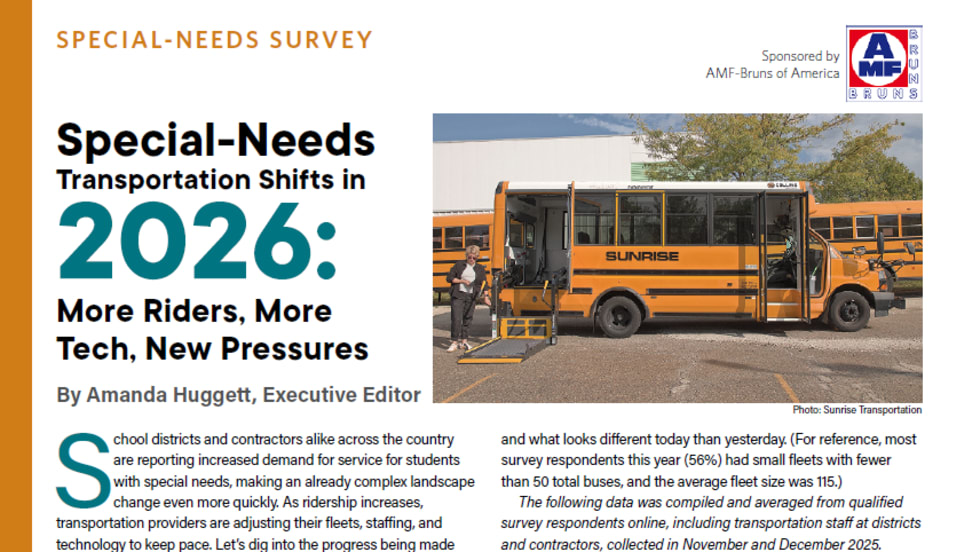
2026 Special-Needs Transportation Survey
What’s changing in special-needs transportation? This year, student transportation operators report a rising need, easing driver shortages, growing tech adoption, and evolving challenges. Sponsored by AMF Bruns of America.
Read More →