




Sharing Valuable Insights on Special-Needs Service
One common concern drivers and aides shared on SBF's Facebook page is not being allowed to know details about some students’ conditions, in particular, not being brought into the IEP process.

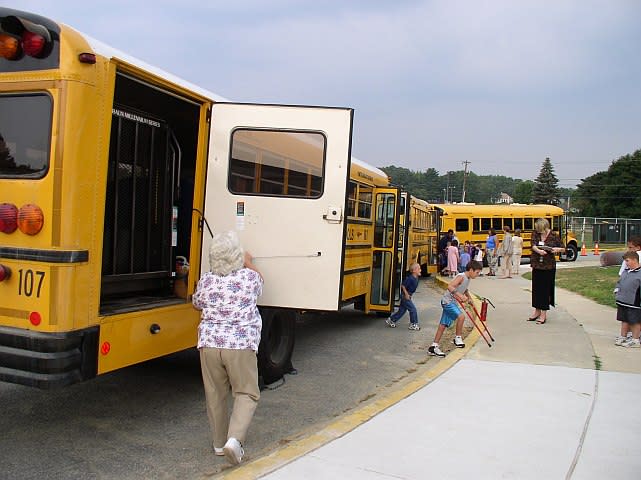
One common concern drivers and aides shared on SBF's Facebook page is not being allowed to know details about some students’ conditions, in particular, not being brought into the IEP process. File photo by Bob Markwardt
One common concern drivers and aides shared on SBF's Facebook page is not being allowed to know details about some students’ conditions, in particular, not being brought into the IEP process. File photo by Bob Markwardt
Every day, more than 25 million students are transported safely to and from school by the yellow bus, including those who have special needs. The majority of those students are accommodated as much as possible by caring drivers, aides, and other staff members who are well-trained in the students’ conditions and needs.
That is not to say that this work doesn’t have its challenges, and often the hurdles don’t come from the students themselves.
In addition to our annual Special-Needs Survey, we reached out to our Facebook community to find out more about challenges that drivers and aides encounter when working with special-needs students. Dozens of commenters weighed in with a variety of responses. (You can read them here). There were the typical obstacles of a shortage of aides and behavior management, but many commenters also brought up the students’ parents — in particular, communicating with them.
One commenter noted that the students they transport and their parents often both present communication issues, which can be a hurdle (read the comment from Vicki Miller in our Community department.)
Another common concern, drivers and aides told us, is not being informed of key details on some students’ conditions or brought into the individualized education program (IEP) process.
Additionally, Neal Abramson, the transportation director at Santa Monica-Malibu (Calif.) Unified School District, shared an interesting point about new affordable housing developments lacking places for buses to pick up special-needs students.
The enthusiastic response on Facebook is a good reminder: If you haven’t already “liked” our Facebook page, you should do so. It has proven to be an engaging forum with spirited conversation and debate from SBF readers and users from a variety of positions in school transportation.
Some survey responses echoed the concerns shared on Facebook about communication with parents and not being privy to information about some students’ health conditions. Challenges within the general category of communication about students’ needs (with parents and school administration) were mentioned by nearly one in 10 respondents (7%).
We provide tips in a story in our February issue on getting drivers and aides involved in the IEP process. Hopefully, readers who are dealing with this problem will find some helpful advice.
The top challenge cited in the survey was a shortage of drivers and aides amidst a growing number of students with special needs. Almost half of those surveyed reported that the percentage of their passengers who have special needs increased compared to the previous year. (It should also be noted that exactly half saw that number stay the same.) Meanwhile, nearly one-quarter of respondents reported a shortage of drivers and aides.
One new development that may help slightly mitigate this staffing shortage is the use of rideshare services when appropriate. In another February issue story, we share information from transportation directors who are using the “uber for kids” style transportation mode to better meet the needs of some students while being more efficient with limited resources.
We thank everyone who shared their insights — whether through social media or our survey. We hope to continue the conversation with you and offer helpful tips whenever possible.
More Special Needs Transportation
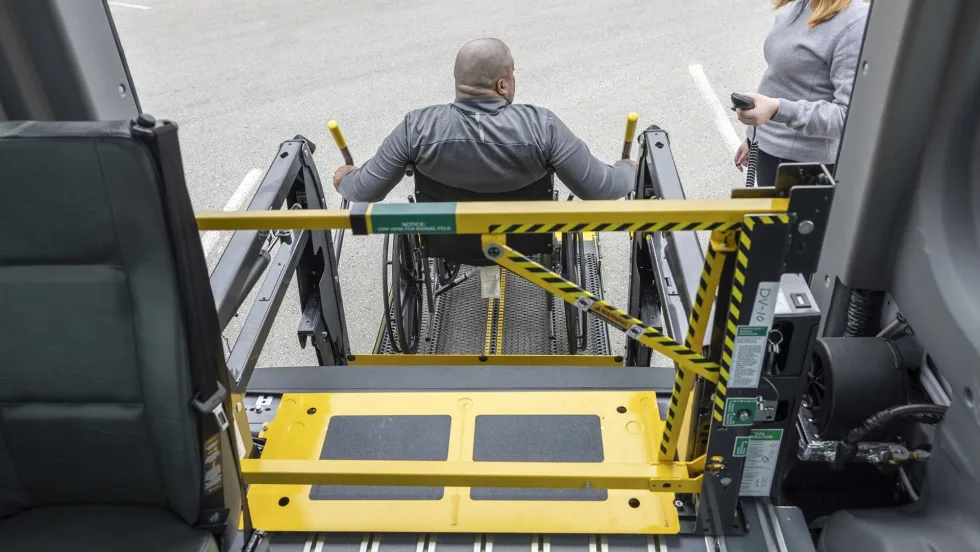
BraunAbility Introduces New Safety Barrier for Wheelchair Lifts
LiftSentinel is designed to add another layer of protection during wheelchair loading and unloading and can be retrofitted to many existing commercial lift installations.
Read More →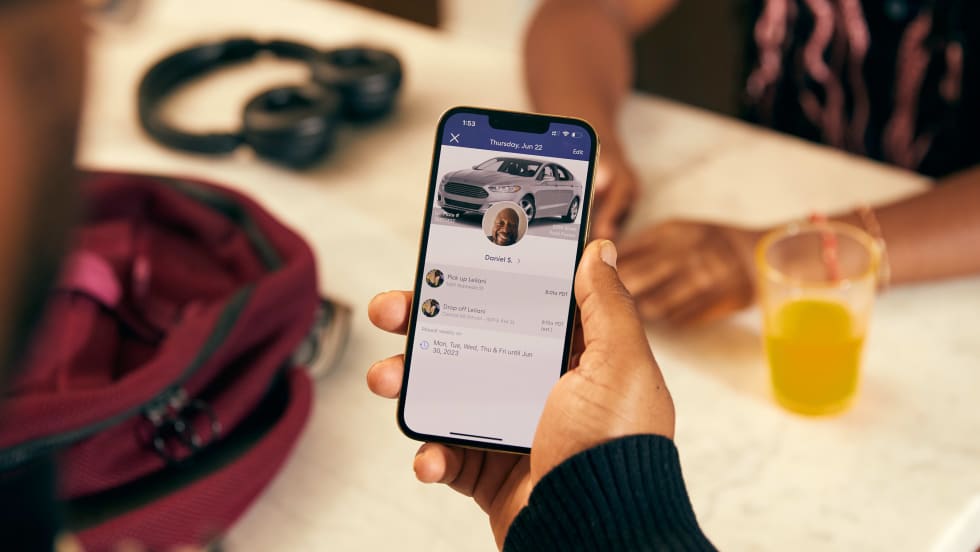
HopSkipDrive Launches New Safety, Driver Consistency Features for 2026-27 School Year
The company’s free ride recording, live ride tracking, and consistent driver assignments aim to improve safety and continuity for diverse student transportation needs.
Read More →
The Most Common Wheelchair Securement Mistakes on School Buses (and How to Fix Them)
Small missteps in wheelchair securement can have serious consequences. Here are 32 tips from experts to reduce risk and increase student safety on the bus.
Read More →
Inside AMF Bruns’ New Showroom: School Bus Securement Solutions Explained
Go inside AMF Bruns America’s new Ohio showroom with Maritza Valentin to see its FutureSafe technology, driver training tools, securement systems, and seating innovations.
Read More →
What AMF Bruns’ New Facility Means for Customers [Video]
Inside AMF Bruns’ new Stow, Ohio, operations: See how expanded space and innovation will enhance customer support and operations.
Read More →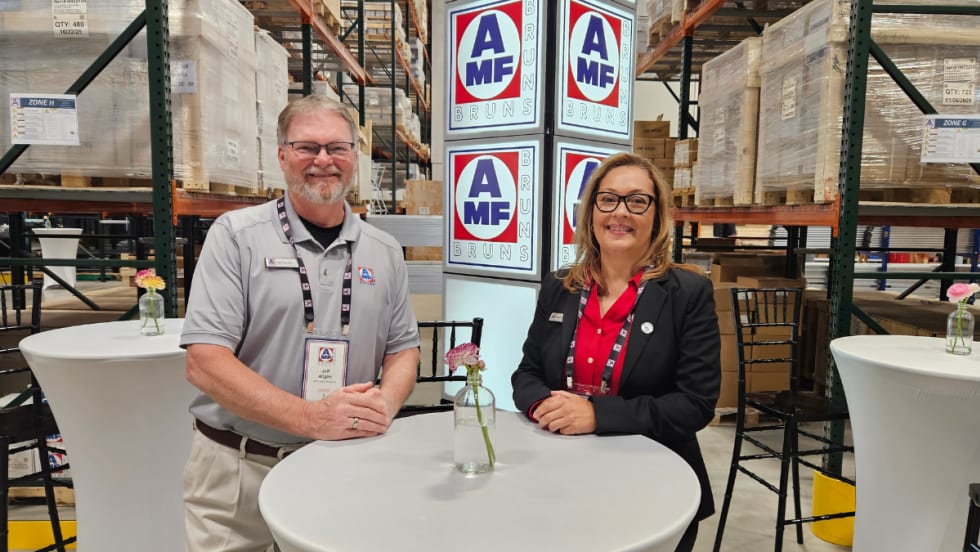
AMF Bruns Expands in Ohio, Investing in Growth and Community
With expanded production space, local investment, and a growing workforce, AMF Bruns is scaling its U.S. presence. Here’s an exclusive first look inside the new Stow, Ohio, HQ.
Read More →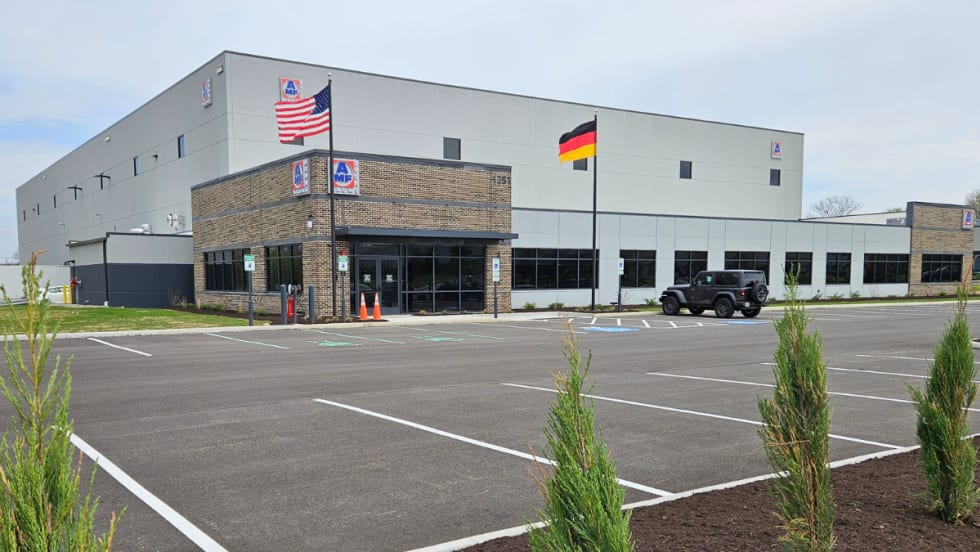
Inside AMF Bruns of America’s New Ohio Manufacturing Facility [Photos]
Take a behind-the-scenes look at AMF Bruns of America’s new 41,000-square-foot Stow, Ohio, headquarters, featuring advanced manufacturing, expanded space, and future-ready mobility solutions.
Read More →
First Student Boosts Student Support in Wichita & Texas
First Student and Wichita Public Schools are using behavioral support strategies to improve student ride experiences, while a separate initiative expands access to after-school programs through a bus donation.
Read More →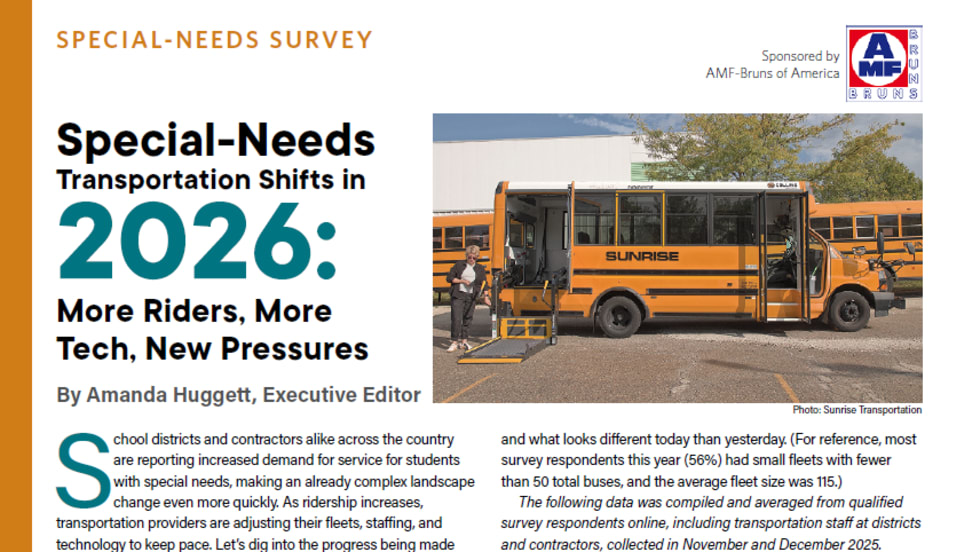
2026 Special-Needs Transportation Survey
What’s changing in special-needs transportation? This year, student transportation operators report a rising need, easing driver shortages, growing tech adoption, and evolving challenges. Sponsored by AMF Bruns of America.
Read More →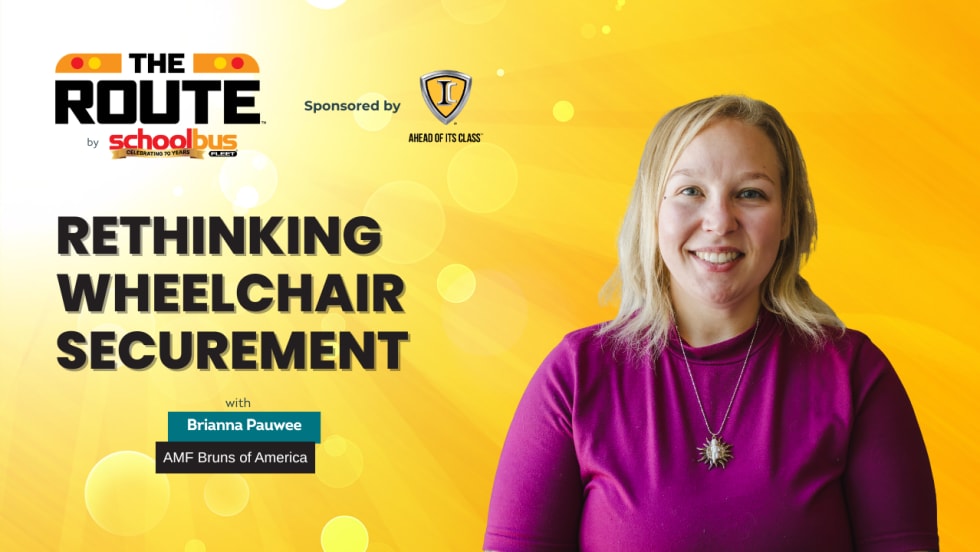
The Lived-Experience Gap in Mobility Tech: An Expert Take on Safe Student Transportation
Brianna Pauwee, a product application specialist at AMF Bruns of America and a wheelchair user, drops in to The Route to share practical securement and training insights, plus the story behind the new “Beyond Mobility” podcast. The Route is sponsored by IC Bus.
Read More →