




Seat belt panel recommends pilot testing
MONTGOMERY, Ala. — The group charged with examining the subject of seat belts on school buses called for a pilot program to evaluate lap-shoulder belts on 10 buses.

MONTGOMERY, Ala. — The group charged with examining the subject of seat belts on school buses called for a pilot program to evaluate lap-shoulder belts on 10 buses. The panel recommended that the state Legislature provide an appropriation to fund the program, which would cost an estimated $750,000 in its first year.
“While a pilot may not yield information regarding fatality rates in school bus accidents, the study may yield some vital information on passenger injuries, bus discipline and other safety improvements that are yet unknown,” the group wrote in its recommendations to Alabama Gov. Bob Riley, who convened the panel in the wake of a November 2006 bus crash in Huntsville that killed four high school students.
“I was encouraged that they didn’t completely discount using lap-shoulder belts, but also that they recognized the pros and cons, including the fiscal realities, and took a methodical approach,” said Derek Graham, state pupil transportation director in North Carolina. Graham testified before the panel during a two-day hearing held in early February.
Graham has some familiarity with pilot studies of three-point belt systems because his state has been tracking 13 school buses fitted with lap-shoulder belts in 2003.
“When we put our buses in service in North Carolina, we didn’t know a lot about the technology and, just as you would expect, we learned some valuable lessons — things we would change if we did it again,” Graham said. “Hopefully, Alabama can take some of those lessons and have a jump-start in its own pilot program.”
The seven-member panel also asked Riley to work with the state’s congressional delegates and other states’ governors to hasten the federal government’s action on school bus restraints. The National Highway Traffic Safety Administration has said that it could take several more years to reach a decision on the matter.
“The current estimate is that initial standards may be released in 2008 with up to three years allowed for public and industry comment and then up to an additional three years for manufacturers to adjust to any new standards issues. This could mean that school systems could have no new buses equipped with any mandated safety devices until 2013-14,” the group wrote in its report.
The study group, which was chaired by Alabama State Superintendent Joe Morton and included Joe Lightsey, pupil transportation director for the Alabama Department of Education, heard a wide variety of perspectives, ranging from the experience of a trauma surgeon to a biomedical engineer to a school bus driver. In addition, testimony was heard from federal officials, association representatives, bus and safety equipment manufacturers and transportation supervisors.
The study group’s full report is available at www.governor.state.al.us in the “News” section (dated Feb. 28).
More Safety
School's Back. Here's What Happened to Traffic, Speeding & Distraction
What happens to traffic when school resumes? New data analysis examines changes in distracted driving, congestion, and speeding around schools.
Read More →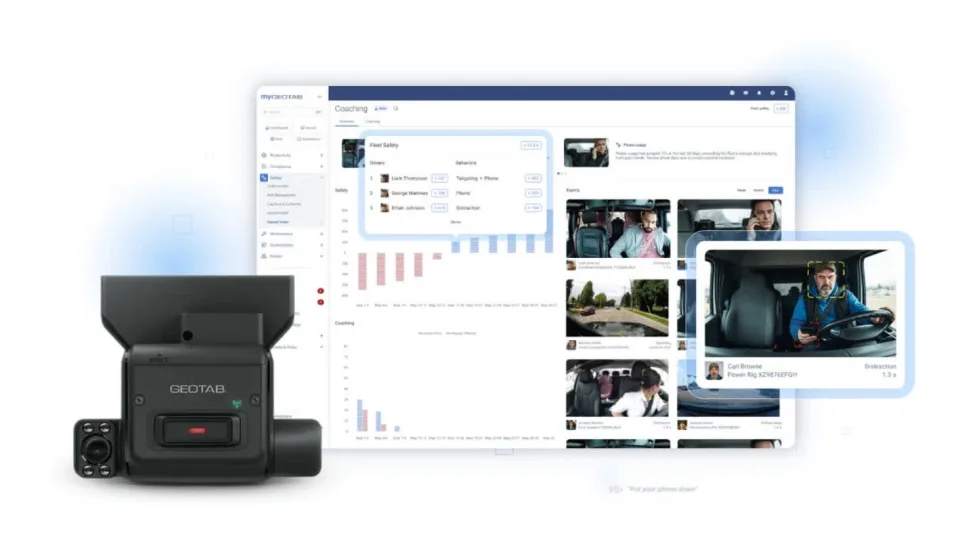
Geotab Expands Fleet Safety Tools With Video Coaching, Risk Insights
New safety and video capabilities aim to help fleet managers assess risk, support drivers, and take targeted action through video coaching, red-light violation detection, and more.
Read More →
How to Build a Better School Bus Driver Training Program
Is it time to strengthen your driver training? Here’s how to pick the right talent and improve recruitment, retention, and safety. This video is brought to you by IC Bus.
Read More →

Recent School Bus Accidents Leave 2 Dead, 2 Injured
Four school bus crashes in Florida, Illinois, and Georgia highlight risks in transportation lots, at bus stops, and during student loading and unloading.
Read More →
When Every Second Matters, Clarity Keeps Routes Moving
From routine delays to urgent incidents, strong communication practices help drivers, dispatchers, schools, and families respond with confidence.
Read More →
What Happens When a School Bus Catches Fire — and What Can Help
School bus fires are rare but can be devastating. Learn how advances in fire suppression and asset protection help fleets detect fires earlier, reduce damage, and improve safety.
Read More →
Geotab Launches Tool to Help Fleets Investigate Road Incidents
Geotab Investigations combines telematics data, video, documents, and other evidence to help fleets reconstruct incidents, resolve claims, and determine what happened.
Read More →
Texas Sixth Grader Wins 2026 National School Bus Safety Poster Contest
Sai Darshana Yekolu of Moseley Middle School in Prosper, Texas, was named the newest winner for her artwork, bringing the theme of “Safe Rides, Everyday Heroes” to life.
Read More →
Doing More With Less: How Transportation Directors Can Prioritize Safety Amid Budget Uncertainty
With diesel prices soaring and nearly one-third of transportation directors expecting budget cuts, maintaining student safety has never been more challenging. Download this guide to learn how leading districts are prioritizing risk, funding critical safety technology, and building stronger budget cases with data.
Read More →
Walton County Schools Adds Gatekeeper Stop-Arm Enforcement System
The Florida district will deploy Gatekeeper’s updated Student Protector technology, which now incorporates AI to improve video evidence.
Read More →