




Safe Technology, the Evolution of a Modern School Bus
School bus seats, frames, interiors, crash test dummies and roll over cages are all connected to computerized sensors, recording thousands of bytes of...

School bus seats, frames, interiors, crash test dummies and roll over cages are all connected to computerized sensors, recording thousands of bytes of data. Behind the scenes, engineering and testing of the latest developments of technology in the ongoing effort to increase school bus safety. Such developments in pupil transportation safety have evolved and continue to evolve from exhaust systems emitting harmful leaded vapors, precipitating the universal axle bend system and diesel powered engines, the advent of the 8-way overhead warning light system to the 1978 adoption of high-back, compartmentalized seating. Such innovations are improved constantly, while others become industry standards, tried and tested; to become specified on today’s new school buses. Common place knowledge enlightens us to the benefits of innovative safety equipment for our fleet, which begs the question “how to correctly utilize an ever dwindling budget to continue the enhancement of our fleet, especially in regards to safety?” In other words, how to get the best bang for the buck when it comes to overall fleet safety. When Texas based lifelong parts manufacturer/supplier, Heavy Duty Bus Parts researched and developed their new Child Guard seat foam, special attention was given to improving their previous foam by focusing on new technological concepts for added durability, while focusing on safety. Critical seams were either eliminated or reinforced long before the FMVSS 222 testing performed at North America’s most state of the art testing facility at IMMI in Indianapolis, IN. Testing Head Impact Criteria (HIC) force and Knee Impact Criteria (KIC) force along with the Contact (performed at both head and knee zones) or “Kiss” test, which measures overall impact area, are the four types of test measuring 22 separate test points in accordance to FMVSS 222. All of the 22 test points were aligned to an SRP (seating reference point) targeting the most critical impact areas in the unfortunate event of an accident. Heavy Duty Bus Parts insisted these test points were located at the most rigorous and dangerous locations of the seat frame. This effort to limit the likelihood of injury at both high and low impact crashes proved an overwhelming success, as the Child Guard seat foam far exceeded all specifications set forth by FMVSS 222. As pre-testing performance had indicated, this state of the art concept in foam design yields the safest school bus seat foam to date. It is years of various designs, concepts and especially technology that allow such a safe product at an affordable cost with indefinite product life expectancy. In effect, the most advanced high-tech seat foam produced to date has been designed with unsurpassed durability, which Heavy Duty Bus Parts will market directly to body manufacturers and bus shops alike, adding this innovation to the list of countless others granting affordability and ultimate safety! For more information on Heavy Duty Bus Parts’ Child Guard seat foam, or specific test results please contact Heavy Duty Bus Parts at 1-800-505-2300. To view an M-Peg video featuring the cannon impact test, click here. Remember, if you have a question or comment, send it to
dan@directbus.com
More Safety
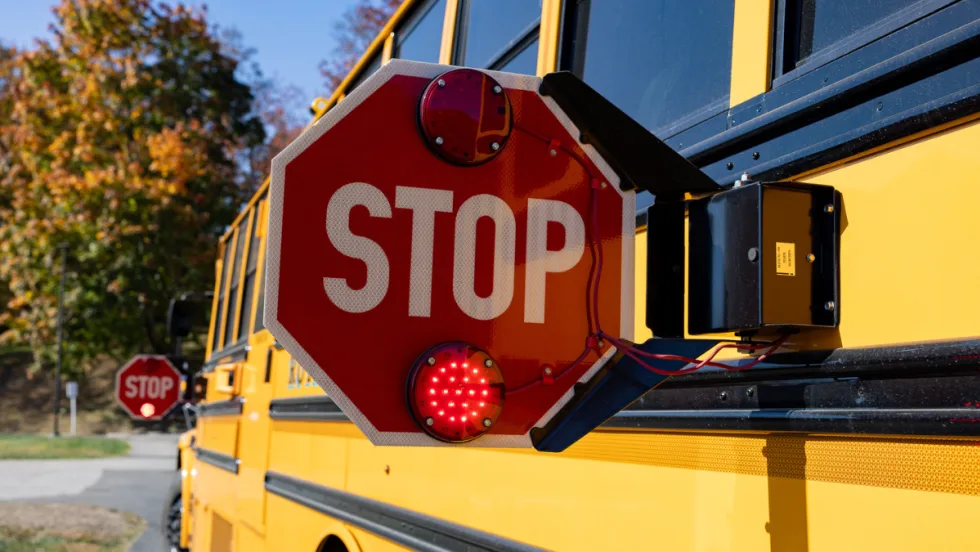
Illegal School Bus Passing Drops 24% in New York Districts
With fewer than 5% of citations involving repeat offenders, Westchester County officials said enforcement, education, and community partnerships are helping change driver behavior.
Read More →
School's Back. Here's What Happened to Traffic, Speeding & Distraction
What happens to traffic when school resumes? New data analysis examines changes in distracted driving, congestion, and speeding around schools.
Read More →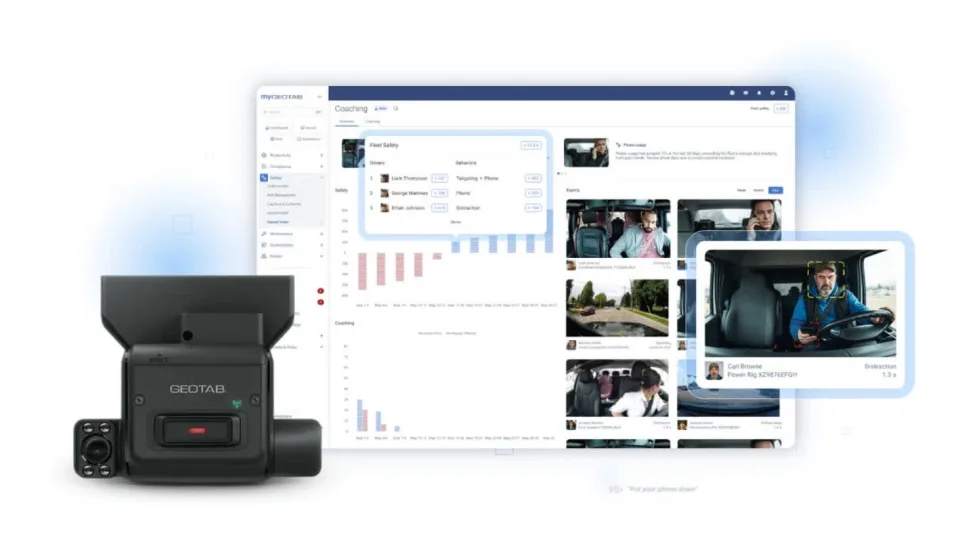
Geotab Expands Fleet Safety Tools With Video Coaching, Risk Insights
New safety and video capabilities aim to help fleet managers assess risk, support drivers, and take targeted action through video coaching, red-light violation detection, and more.
Read More →

How to Build a Better School Bus Driver Training Program
Is it time to strengthen your driver training? Here’s how to pick the right talent and improve recruitment, retention, and safety. This video is brought to you by IC Bus.
Read More →
Recent School Bus Accidents Leave 2 Dead, 2 Injured
Four school bus crashes in Florida, Illinois, and Georgia highlight risks in transportation lots, at bus stops, and during student loading and unloading.
Read More →
When Every Second Matters, Clarity Keeps Routes Moving
From routine delays to urgent incidents, strong communication practices help drivers, dispatchers, schools, and families respond with confidence.
Read More →
What Happens When a School Bus Catches Fire — and What Can Help
School bus fires are rare but can be devastating. Learn how advances in fire suppression and asset protection help fleets detect fires earlier, reduce damage, and improve safety.
Read More →
Geotab Launches Tool to Help Fleets Investigate Road Incidents
Geotab Investigations combines telematics data, video, documents, and other evidence to help fleets reconstruct incidents, resolve claims, and determine what happened.
Read More →
Texas Sixth Grader Wins 2026 National School Bus Safety Poster Contest
Sai Darshana Yekolu of Moseley Middle School in Prosper, Texas, was named the newest winner for her artwork, bringing the theme of “Safe Rides, Everyday Heroes” to life.
Read More →
Doing More With Less: How Transportation Directors Can Prioritize Safety Amid Budget Uncertainty
With diesel prices soaring and nearly one-third of transportation directors expecting budget cuts, maintaining student safety has never been more challenging. Download this guide to learn how leading districts are prioritizing risk, funding critical safety technology, and building stronger budget cases with data.
Read More →