




Protect your technicians from toxic exhaust fumes
Carbon monoxide and diesel smoke are considered to be hazardous materials by the Occupational Safety and Health Administration (OSHA). Carbon monoxide...
Carbon monoxide and diesel smoke are considered to be hazardous materials by the Occupational Safety and Health Administration (OSHA). Carbon monoxide is the leading cause of accidental poisoning deaths in the United States, while diesel exhaust has been shown to cause cancer. If higher than allowable levels of contaminants are detected in the work environment, heavy fines can be imposed by federal or state authorities. Therefore, it is critical that maintenance facilities have adequate vehicle exhaust evacuation systems, both for worker safety and OSHA compliance. Clearing the air
The first step in protecting your work environment is to gather information on the engines and operating conditions in the facility. Make a list of the engine displacements in cubic inches or liters. Pick the maximum rpm at which the engines are tested in the facility. Determine if the vehicles are tested under load either on a dynamometer or by hydraulic testing. The foregoing information is necessary to define the exhaust requirements for the vehicles and provide the basis for creating an adequate system design. Other elements of exhaust evacuation design include:
Fan selection
System layout
Duct sizing
Points of vehicle exhaust connection
Type of collection devices It is crucial that the fan is sized to evacuate more air than the vehicle exhausts. If the vehicle exhausts more than the system can handle, the exhaust gases will expand into the room and create a health hazard. If you have questions about the system requirements, it may be a good idea to have a vehicle exhaust system expert verify the correct exhaust requirements as well as determine duct and fan sizing. It is also important to have a system that is user friendly so that the operators use it regularly. There are many types of system arrangements and adapter configurations designed for different building and vehicle configurations. For existing systems, some simple modifications may make the equipment easier to use. There are many different tailpipe adapters available for a variety of vehicles. Make sure that there are adapters available that fit every tailpipe configuration, so the exhaust system is able to be used on all vehicles. Routinely look for leaks
For facilities with existing systems, managers should perform routine checks of the exhaust system to ensure that it works properly and is in good condition. They should check the tubing for any holes or burns and verify that it is not collapsed. They should also verify that the tailpipe adapters are able to stay on the tailpipes during all test procedures. The fans should be checked for any excessive noise or vibration that may be due to worn bearings or improper balance. It is a good practice to physically feel the air suction at the adapter to all of the bays to make sure that the system ductwork is not blocked at any point. Employers should educate the employees of the effects of exposure to carbon monoxide and diesel exhaust. Employees should learn the symptoms of carbon monoxide poisoning: headache, nausea, weakness, dizziness, visual disturbances, changes in personality and loss of consciousness. Safety issues should always be of primary importance. Wherever engines are running inside buildings, the safety of technicians, office personnel and other individuals is the primary concern of trade unions, insurance companies, fire departments and OSHA representatives. Compliance with the regulations is necessary in every case. Chris Krahn is an engineering graduate of Indiana's Valparaiso University. Kit Navarre is a graduate of Michigan's Hillsdale College.
More Maintenance
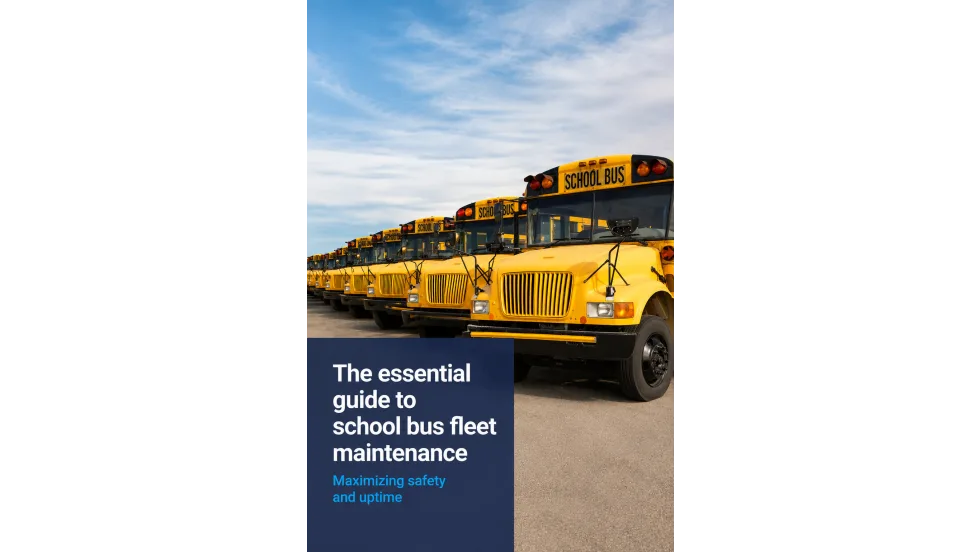
The essential guide to school bus maintenance and student safety
Reactive maintenance puts students at risk of breakdowns, delays and roadside emergencies. This guide gives transportation directors a data-driven framework to predict failures, extend bus lifespans and improve fleet reliability across every route.
Read More →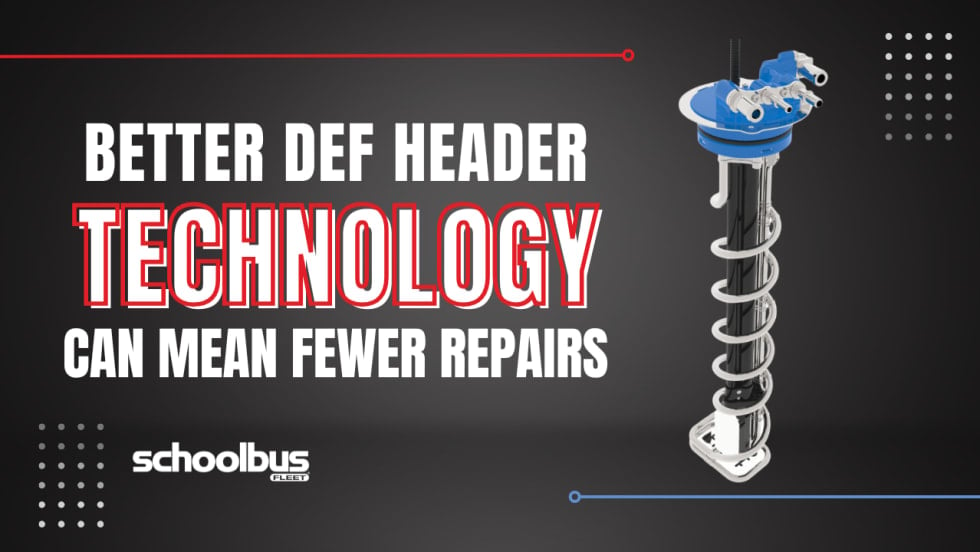
The Evolution of DEF Header Technology: What School Bus Operations Should Know at Replacement Time
See what school bus fleets should consider when replacing DEF headers to improve reliability, reduce repeat repairs, and control maintenance costs.
Read More →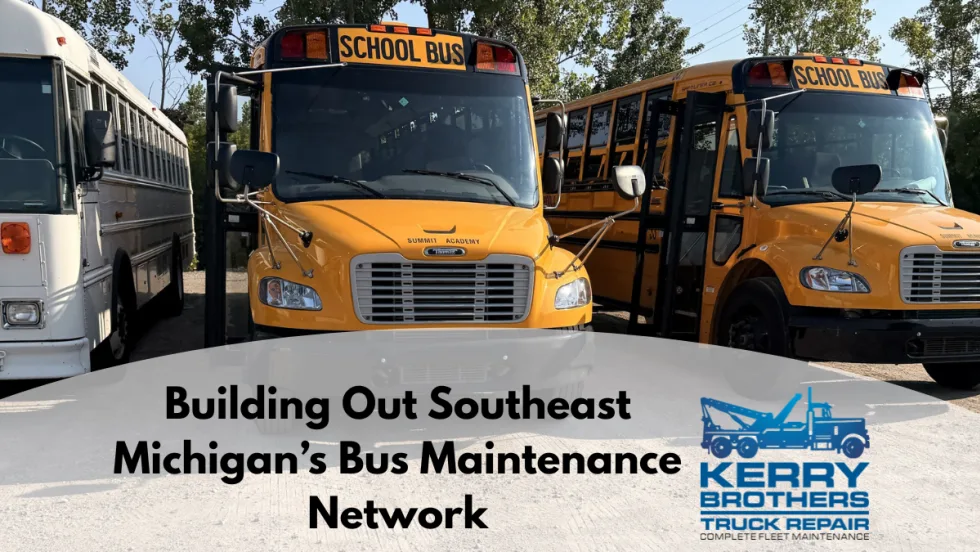
Kerry Brothers Grows Michigan School Bus Repair Network
The acquisition of Downriver Truck and Bus expands Kerry Brothers’ school bus maintenance footprint across southeast Michigan, adding repair capacity, diagnostic resources, and state inspection support.
Read More →
Noregon Introduces CAN Bus Diagnostic Tool, Expands JPRO Features
CAN Mentor and the latest JPRO update aim to simplify vehicle network diagnostics and improve repair efficiency for technicians of all experience levels.
Read More →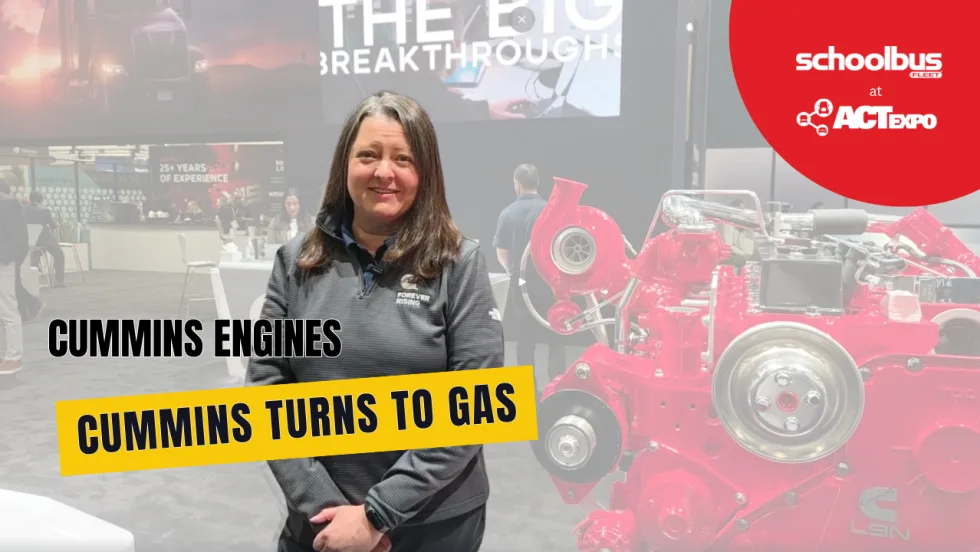
Cummins on Smarter, Simpler Engine Innovation
Cummins discusses its first-ever gasoline engine for school buses, EPA 2027, and why bus fleets still want durable, simpler internal combustion options.
Read More →
Report: 72% of Diesel School Buses Now Use Advanced Low-Emission Engines
New data shows advanced low-emission diesel technology continues expanding across school bus fleets, even as electric bus adoption gains momentum.
Read More →
Vampire Tools' CAIMAN 7.5-Inch Multi-Purpose Screw Extractor Long-Nose Pliers with Crimper
Vampire Tools introduced the VAMPLIERS Caiman 7.5-inch multi-purpose pliers, combining screw extraction, cutting, crimping, and gripping functions into a single tool designed for fleet maintenance professionals.
Read More →
How Advanced Diagnostics Helps Bus Fleets Stay Ahead of Repairs
Chat with Noregon’s Kevin Smallhorn at ACT Expo about bus diagnostic tools, telematics integration, CNG maintenance support, and strategies to help reduce downtime and improve uptime.
Read More →
How School Bus Fleets are Getting Ahead of Breakdowns
Don’t let bus downtime wear you down. Here’s how bus operators are shifting from manual processes to AI-powered, data-driven maintenance systems for improved reliability and safety.
Read More →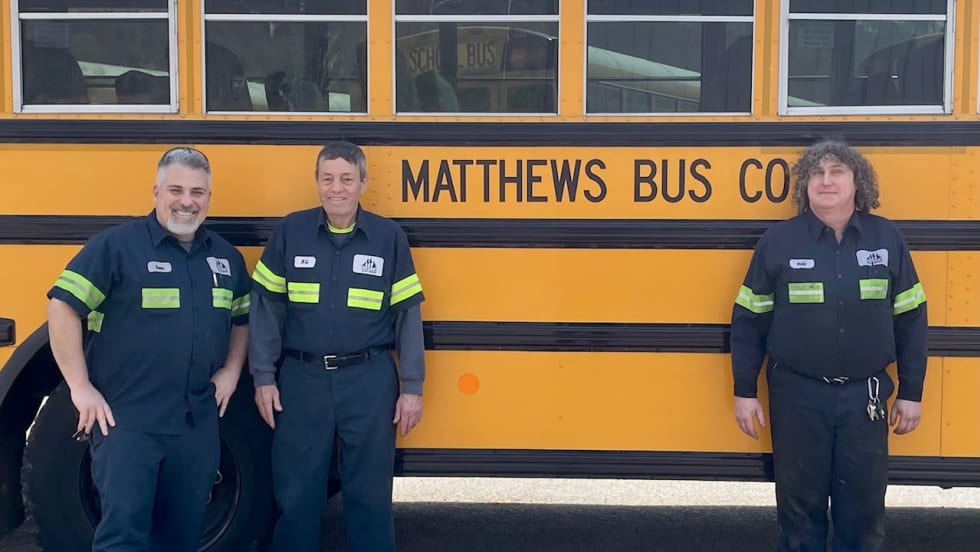
Pennsylvania School Bus Maintenance Team Praised for Dedication to Safety
Matthews Bus Company’s West Jefferson received a letter of commendation from the Pennsylvania State Police for their fleet inspections.
Read More →