




Preparing for a Bus Crash Emergency
Imagine that you are a dispatcher for a school district. One day, you receive a message from a bus driver via radio transmission indicating that he or...
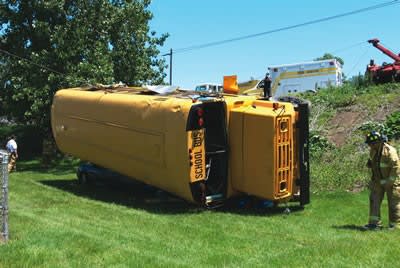
Imagine that you are a dispatcher for a school district. One day, you receive a message from a bus driver via radio transmission indicating that he or she has been involved in a crash. The driver reports that the bus is on its side and that there are students trapped inside the vehicle who are hurt and crying for help. After you make several attempts to obtain additional information, the driver does not respond.
Who is going to rescue these students, and how? What can be done to plan ahead for such a disastrous event? Answers to these questions will enable you to know what to expect from first responders and provide strategies that will help you prepare in the event of an emergency.
Immediate priorities
Following a school bus crash, fire and Emergency Medical Service (EMS) personnel will arrive on scene and immediately begin to size up the situation. Hazardous conditions — including fire, spilled fuel, fallen electrical lines and vehicular traffic — will need to be dealt with before anyone in the emergency response team approaches the school bus.
Students that are not injured or have only sustained minor injuries will be escorted out of the bus. These individuals need to be taken to a single location a safe distance from the bus. This will assist in maintaining accountability and allow EMS personnel to provide each passenger with the proper medical care.
Rescue workers will then quickly determine the number of occupants left inside the bus and how many are seriously injured or trapped. By knowing the number of occupants and assessing the scope of their injuries, additional resources can be requested. More extrication equipment, ambulances, medical transport helicopters and personnel may be needed.
The influx of bystanders, parents being contacted via cell phone and the media represent other challenges that rescue personnel face. All of these people want to help and are concerned about the students’ safety, but they can easily disrupt rescue efforts and put themselves in danger. Law enforcement officers will play a key role in managing the increased vehicular traffic and providing security at the scene.
Rescue operations
As emergency response personnel have learned from their training, a rescue involves three main steps: stabilizing the vehicle, gaining access, then extricating and treating the vehicle’s occupants. A bus positioned on its side, roof or down an embankment is in a precarious position and will need to be stabilized appropriately — cribbing and horizontal shoring will prevent further movement.
Once stabilized, rescuers will gain access inside the bus through the doors, windows, sidewalls, floor or the roof using power and hydraulic tools. The techniques they use will depend on the structural condition of the bus, the amount of damage and location of the damage.
If possible, the rescuers will use the front door as their entry point and the rear door as their exit. Any damage to those doors will dictate whether window removal or a more technical extrication is necessary.
After gaining access into the vehicle, the emergency crew will have its first opportunity to see which passengers are trapped and who is injured. Occupants will then be triaged (a process for sorting injured people into groups based on their need for, or likely benefit from, immediate medical treatment). Life-threatening injuries will be treated first — the occupants will be immobilized on backboards with cervical collars to prevent further injury. If disentanglement procedures are necessary, rescuers will protect the patient and any surrounding occupants from broken glass, sharp steel edges or collapsing structures.
Rescuers will also use established entry and exit points to take passengers out of the bus; as they are removed, they will be transferred to awaiting EMS crews for treatment and transport to local hospitals.
Preplanning
Although we hope to never be involved in a school bus crash, it is imperative that school districts take steps to ensure that the necessary precautions are in place. The following are several suggestions to engender effective preparation.
Contact your local fire department and see if they have had training on school bus extrication. If not, encourage them to get the training.
Consider establishing a standardized place on every school bus to store information about numbers of routine passengers and routes run for various times throughout the day. Communicate this information to emergency responders in your jurisdiction.
Coordinate with law enforcement and fire officials to provide assistance at the scene of a crash. It may be establishing an area for parents and media to gather, working with the fire department’s public information officer on briefing the parents and media periodically, or helping to determine who was on the bus.
Utilize school press releases and local newspapers to educate the community and parents on what to do in the event of a school bus crash and coordinate your communication with local emergency responders. It is human nature for parents to want to rush to their child’s side when his or her safety is threatened. Emphasize that fire, rescue and medical professionals will be taking excellent care of every child. Encourage parents to meet at a staging area — perhaps a nearby location marked with a large school flag — where they can be updated.
The complexities of school bus crashes can vary from a minor rear-end collision to an extensively damaged bus positioned upside down. While our nation’s school systems have undoubtedly provided emergency preparedness training for their drivers, being prepared and understanding first responders’ rescue process will further assist in giving children the best possible care in a terrifying situation.
The school bus is the safest way to transport students to school, so let’s keep the wheels rolling!
Paul Hasenmeier is a fire fighter/paramedic for the Huron (Ohio) Fire Division, and a fire and EMS instructor with experience training emergency responders on school bus extrication techniques. For further training information, e-mail him atphas@bex.net.
More Safety

Geotab Launches Tool to Help Fleets Investigate Road Incidents
Geotab Investigations combines telematics data, video, documents, and other evidence to help fleets reconstruct incidents, resolve claims, and determine what happened.
Read More →
Doing More With Less: How Transportation Directors Can Prioritize Safety Amid Budget Uncertainty
With diesel prices soaring and nearly one-third of transportation directors expecting budget cuts, maintaining student safety has never been more challenging. Download this guide to learn how leading districts are prioritizing risk, funding critical safety technology, and building stronger budget cases with data.
Read More →
How To Build a More Secure School Bus Yard During and After Hours
As thefts and overnight security threats continue, school transportation leaders are combining stronger operational practices with AI-enabled surveillance to better protect buses, facilities, and staff.
Read More →
FMCSA Names New Chief Safety Officer: What School Bus Operators Should Know
Steve Dowling is set to lead the federal agency's efforts to advance commercial motor vehicle safety and reduce crashes, fatalities, and injuries on the nation's roadways.
Read More →
New Study Finds School Zone Speed Safety Cameras Cut Speeding Violations 97%
A Florida university's research demonstrates that Verra Mobility's automated enforcement changes driver behavior and significantly improves school zone safety.
Read More →
What Changed in DOT’s New National Roadway Safety Strategy?
The federal agency's new plan shifts its focus to safer people, roads and vehicles, with a new three-pronged approach instead of five. One outlined action even addresses a key industry concern around illegal school bus passing.
Read More →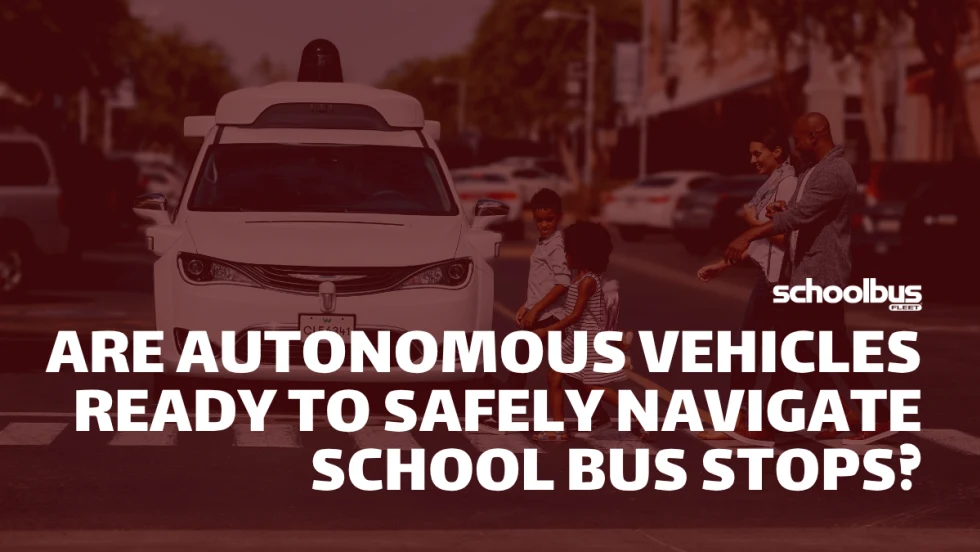
Are Autonomous Vehicles Ready to Safely Navigate School Bus Stops?
NHTSA is accelerating autonomous vehicle deployment through new safety standards and commercial approvals. See why school transportation leaders are watching.
Read More →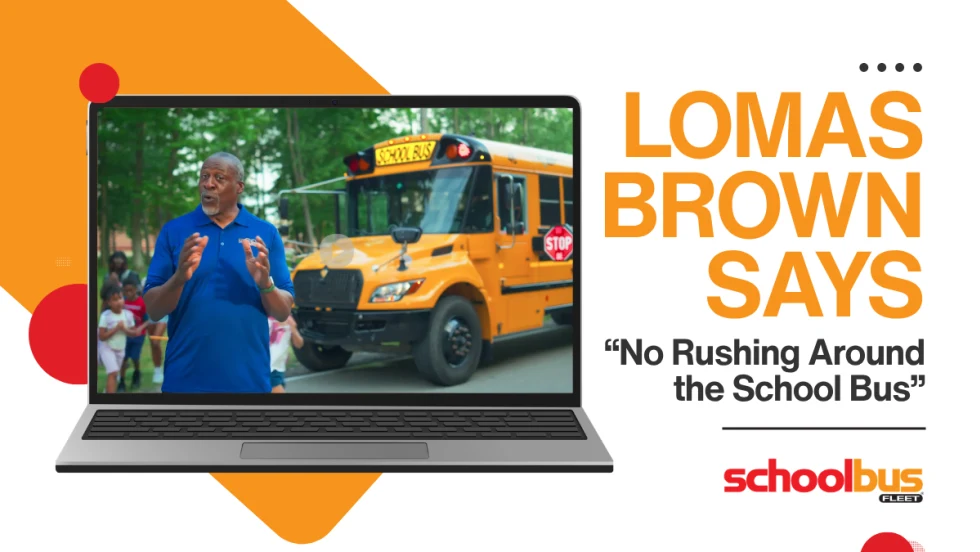
NFL Star Lomas Brown Kicks Off New Illegal School Bus Passing PSA
Just in time for the back-to-school season, the former Detroit Lions offensive tackle took time to record a video encouraging motorists to slow down around school buses.
Read More →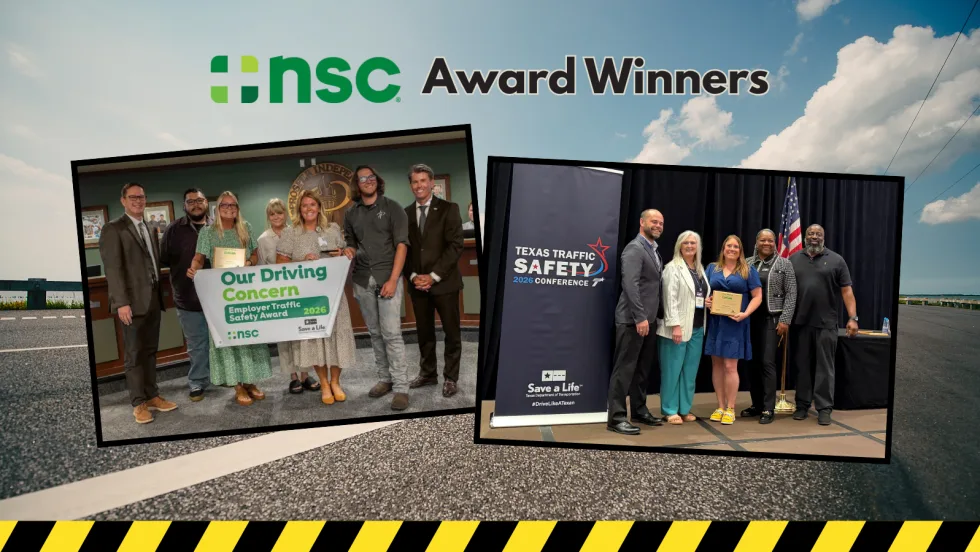
How Two Texas Districts Built Award-Winning Safety Programs
Learn how Prosper ISD and Rockwall ISD earned National Safety Council honors through hands-on training, safety culture, and strategies that reduced transportation incidents.
Read More →
NHTSA Releases 10-Year Review of Fatal School Bus Crashes
The latest federal analysis reinforces the safety of school buses while identifying where school-age pedestrians and other motorists remain most at risk.
Read More →