




Positive experiences with seat belts
In the debate on whether seat belts are a good fit for large school buses, it seems that the best insight comes from those who actually have experience with the restraints in their fleet. SBF Executive Editor Thomas McMahon hit the road in November to visit Buellton USD and another district in Santa Barbara County, Goleta USD. Both had interesting perspectives to share about their fleets and the environments in which they operate.

In the debate on whether seat belts are a good fit for large school buses, it seems that the best insight comes from those who actually have experience with the restraints in their fleet.
Casey Cypert is one such person. As director of operations at Buellton (Calif.) Union School District (USD), Cypert has observed the effects of lap-shoulder belts on the district’s route bus for the past five years.
I hit the road in November to visit Buellton USD and another district in Santa Barbara County, Goleta USD. Both had interesting perspectives to share about their fleets and the environments in which they operate.
Goleta USD has 21 school buses — including some new clean diesel units and two that run on compressed natural gas. The city, in between Santa Barbara and its University of California campus, is in a busy area, so traffic is a key issue for the district’s bus operation.
Buellton USD has two buses, one of which runs a daily route to transport about 70 students. The district, in the bucolic Santa Ynez Valley, has had a big problem with stop-arm running, but local police have been cracking down on it recently.
Belt mandate
California has required lap-shoulder belts on new large school buses since 2005. (The same requirement went into effect for small school buses in 2004.)
Buellton USD bus passengers, the oldest of whom are in eighth grade, began buckling up when the district acquired a 2008 Type D school bus (with the help of a replacement grant of about $100,000). The 79-passenger unit is equipped with three lap-shoulder belts per seat.
Cypert told me that the belts have been “a real positive,” particularly in their impact on student management. He said that having the students buckled up “solves 80 to 90% of problems” related to behavior.
Just for the sake of discussion, I noted a concern that I hear often in the industry: that kids will use the seat belt buckles as weapons. Cypert and bus driver Miguel Garcia said that this isn’t happening. The lap-shoulder belts retract into the seat, so they can’t be swung around like a lap-only belt could.
Another common question: Will the students actually buckle up? They do at Buellton USD. According to Cypert, training is the key. He said that Garcia has been diligent in training and reminding his passengers to wear their seat belts.
Personal experience
At Goleta USD, I got a chance to ride in a school bus with lap-shoulder belts. I was surprised by how easily the shoulder strap could be adjusted to fit me — and how comfortable it was to wear it.
The best part of the experience was that I was sitting next to my 6-year-old son, Tommy. (My wife homeschools our two boys, so they all came along as a field trip.)
When we get in our own vehicles, Tommy is quick to make sure that we’re all wearing our seat belts before the car even starts. With that in mind, it was gratifying to see him board a school bus — the safest vehicle for transporting students — and still be able to buckle up.
My thanks to the fine folks I met with at Goleta USD — Robert Matheny, Jill Walker and Martin Tejeda — and at Buellton USD — Cypert and Garcia — for sharing their time and experiences with us.
More Safety

How to Build a Better School Bus Driver Training Program
Is it time to strengthen your driver training? Here’s how to pick the right talent and improve recruitment, retention, and safety. This video is brought to you by IC Bus.
Read More →
Recent School Bus Accidents Leave 2 Dead, 2 Injured
Four school bus crashes in Florida, Illinois, and Georgia highlight risks in transportation lots, at bus stops, and during student loading and unloading.
Read More →
When Every Second Matters, Clarity Keeps Routes Moving
From routine delays to urgent incidents, strong communication practices help drivers, dispatchers, schools, and families respond with confidence.
Read More →

What Happens When a School Bus Catches Fire — and What Can Help
School bus fires are rare but can be devastating. Learn how advances in fire suppression and asset protection help fleets detect fires earlier, reduce damage, and improve safety.
Read More →
Geotab Launches Tool to Help Fleets Investigate Road Incidents
Geotab Investigations combines telematics data, video, documents, and other evidence to help fleets reconstruct incidents, resolve claims, and determine what happened.
Read More →
Texas Sixth Grader Wins 2026 National School Bus Safety Poster Contest
Sai Darshana Yekolu of Moseley Middle School in Prosper, Texas, was named the newest winner for her artwork, bringing the theme of “Safe Rides, Everyday Heroes” to life.
Read More →
Doing More With Less: How Transportation Directors Can Prioritize Safety Amid Budget Uncertainty
With diesel prices soaring and nearly one-third of transportation directors expecting budget cuts, maintaining student safety has never been more challenging. Download this guide to learn how leading districts are prioritizing risk, funding critical safety technology, and building stronger budget cases with data.
Read More →
Walton County Schools Adds Gatekeeper Stop-Arm Enforcement System
The Florida district will deploy Gatekeeper’s updated Student Protector technology, which now incorporates AI to improve video evidence.
Read More →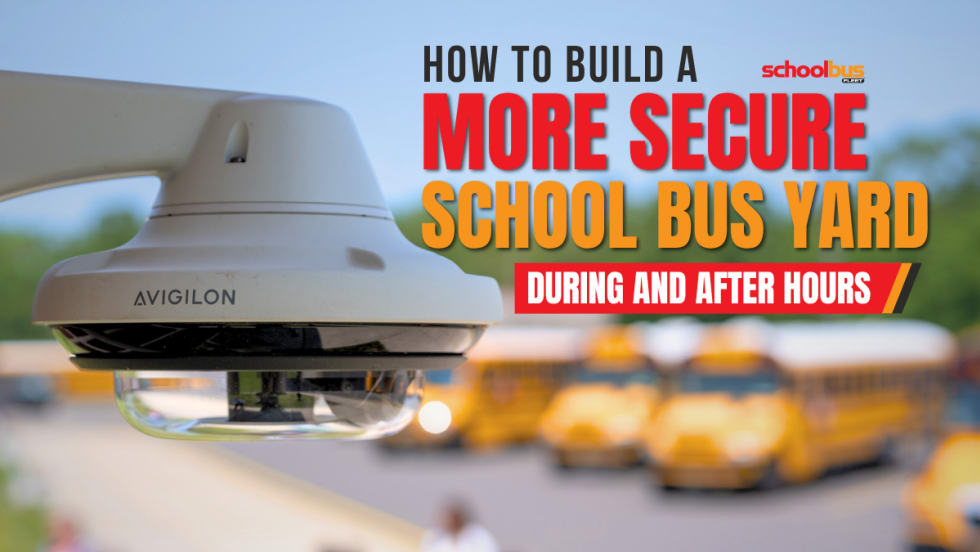
How To Build a More Secure School Bus Yard During and After Hours
As thefts and overnight security threats continue, school transportation leaders are combining stronger operational practices with AI-enabled surveillance to better protect buses, facilities, and staff.
Read More →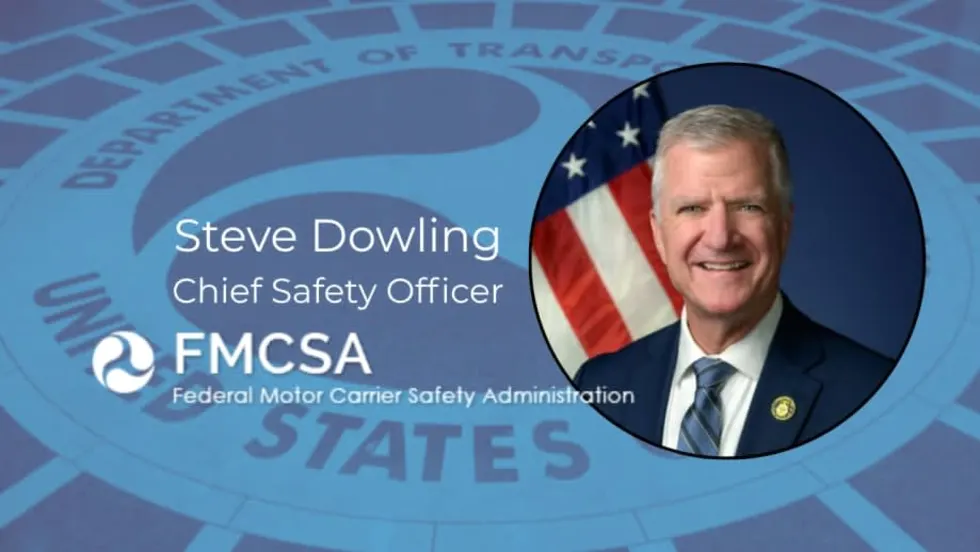
FMCSA Names New Chief Safety Officer: What School Bus Operators Should Know
Steve Dowling is set to lead the federal agency's efforts to advance commercial motor vehicle safety and reduce crashes, fatalities, and injuries on the nation's roadways.
Read More →