




NTSB urges cell phone ban for bus drivers
WASHINGTON, D.C. — The National Transportation Safety Board (NTSB) is urging federal and state governments to prohibit school bus, transit bus and mot...

WASHINGTON, D.C. — The National Transportation Safety Board (NTSB) is urging federal and state governments to prohibit school bus, transit bus and motorcoach drivers from using cell phones while driving those vehicles, except in emergencies.
The recommendations are contained in the NTSB’s report on a non-fatal motorcoach accident that occurred Nov. 14, 2004, on the George Washington Parkway in Alexandria, Va.
The motorcoach driver, who was talking on a hands-free cell phone, drove his bus into a bridge. The impact destroyed the roof of the bus and injured 11 student passengers, one seriously. There was no evidence that the driver applied the brakes before his bus hit the bridge.
“Professional drivers who have dozens of passengers’ lives entrusted to them should devote their full attention to their task,” said NTSB Chairman Mark Rosenker. “What we saw in this accident is appalling and could have resulted in great tragedy.”
According to NTSB investigators, there were signs warning of the 10-foot, 2-inch bridge clearance in the lane in which the 12-foot-high motorcoach was traveling. The bus should have been traveling in the left lane, where clearance was 13 foot, 4 inches.
The NTSB concluded that the driver’s cell-phone distraction caused the accident and recommended that the Federal Motor Carrier Safety Administration along with all 50 states and the District of Columbia prohibit CDL holders with a passenger or school bus endorsement from using cell phones while driving those vehicles.
In its report, the NTSB also found that the low vertical clearance of the bridge, which does not meet current standards, contributed to the accident.
More Safety
FMCSA Names New Chief Safety Officer: What School Bus Operators Should Know
Steve Dowling is set to lead the federal agency's efforts to advance commercial motor vehicle safety and reduce crashes, fatalities, and injuries on the nation's roadways.
Read More →
New Study Finds School Zone Speed Safety Cameras Cut Speeding Violations 97%
A Florida university's research demonstrates that Verra Mobility's automated enforcement changes driver behavior and significantly improves school zone safety.
Read More →
What Changed in DOT’s New National Roadway Safety Strategy?
The federal agency's new plan shifts its focus to safer people, roads and vehicles, with a new three-pronged approach instead of five. One outlined action even addresses a key industry concern around illegal school bus passing.
Read More →
Are Autonomous Vehicles Ready to Safely Navigate School Bus Stops?
NHTSA is accelerating autonomous vehicle deployment through new safety standards and commercial approvals. See why school transportation leaders are watching.
Read More →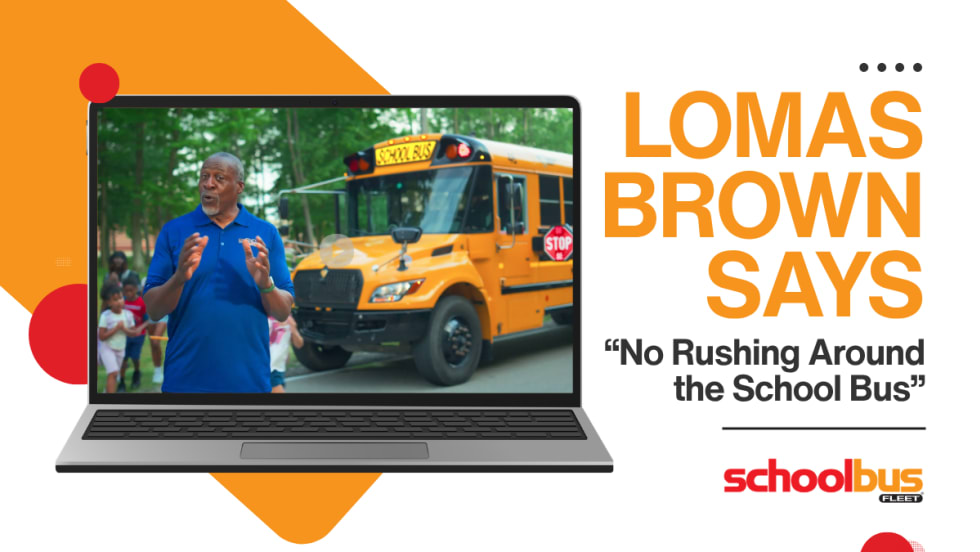
NFL Star Lomas Brown Kicks Off New Illegal School Bus Passing PSA
Just in time for the back-to-school season, the former Detroit Lions offensive tackle took time to record a video encouraging motorists to slow down around school buses.
Read More →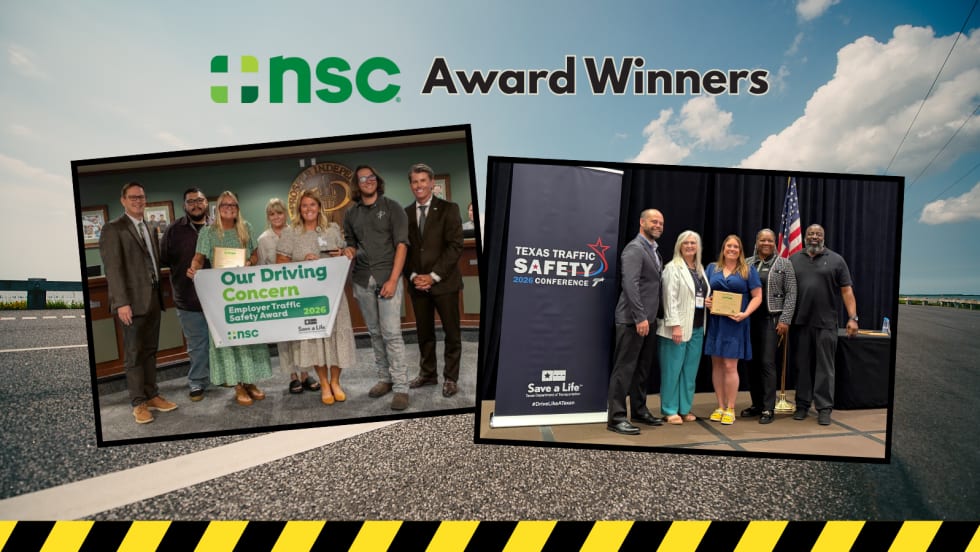
How Two Texas Districts Built Award-Winning Safety Programs
Learn how Prosper ISD and Rockwall ISD earned National Safety Council honors through hands-on training, safety culture, and strategies that reduced transportation incidents.
Read More →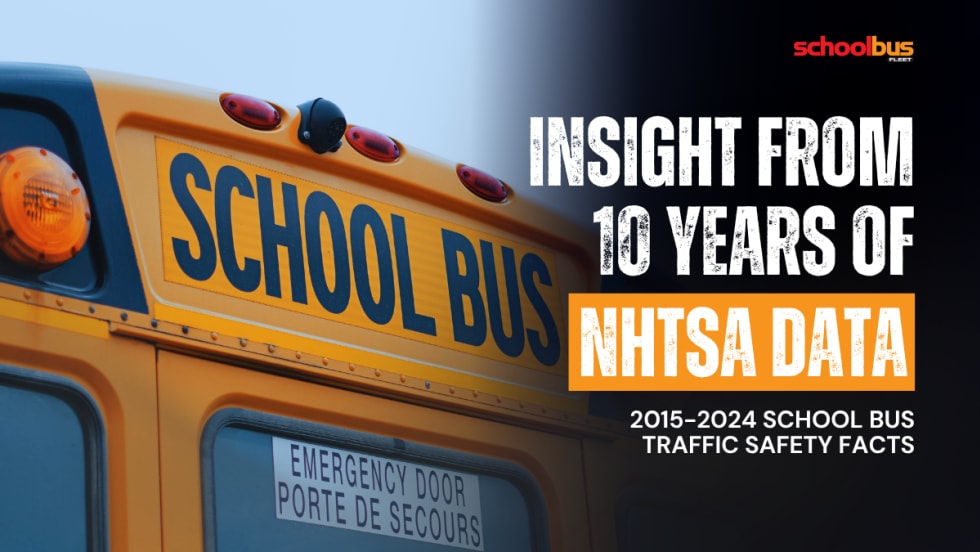
NHTSA Releases 10-Year Review of Fatal School Bus Crashes
The latest federal analysis reinforces the safety of school buses while identifying where school-age pedestrians and other motorists remain most at risk.
Read More →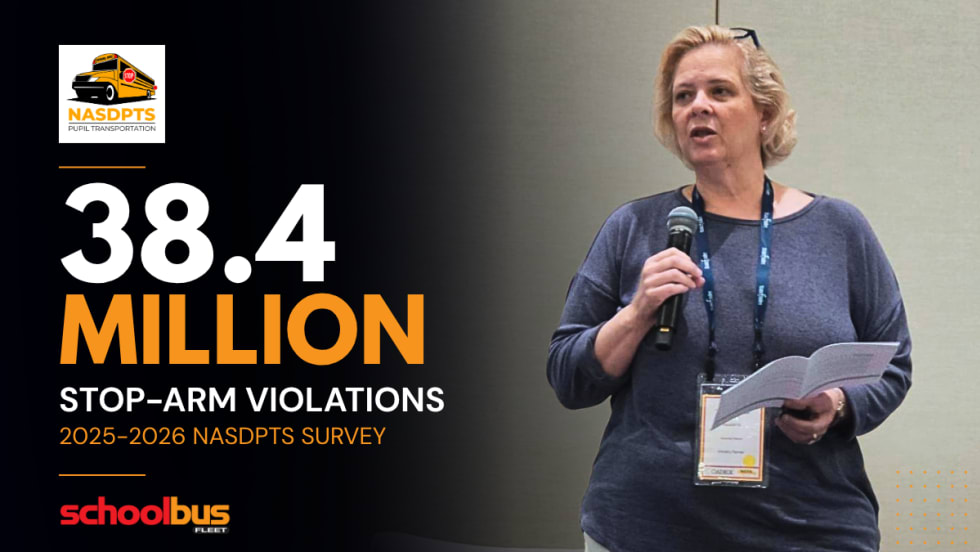
2026 NASDPTS Survey: Data Shows Further Reduction of Illegal Passing
New data is in! School bus stop-arm passings are down to 38.4 million violations per year, about a 2.3% decrease from last school year — but passings on the right side of the bus are higher than ever.
Read More →
Another School Bus Fatality Reported in Monsey, New York
A 7-year-old girl died after being struck by a school bus in Rockland County, New York while crossing the street. Here's what we know.
Read More →
NSTA Announces 2026 School Bus Driver International Safety Competition Winners
Drivers from across the U.S. and Canada showcased their safety and driving skills, with two defending champions successfully retaining their titles.
Read More →