




NSTA Advocacy in Action — Advocacy Is a Journey, Not a Destination
More than 50 NSTA members traveled to Washington, D.C., in support of the Stop for School Buses Act. As a result, many legislators have signed on to support the bill’s passage.
File photo courtesy Shane Kirley
File photo courtesy Shane Kirley
This year’s efforts by the National School Transportation Association (NSTA) to promote passage of the Stop for School Buses Act of 2019 (H.R.2218/S.1254) continue to build. Now, months after NSTA’s visit to Capitol Hill, is a good time to remember that change through advocacy takes persistent effort. NSTA’s “Bus-In” initiative from last year is a prime example.
In the spring of 2018, NSTA went to Capitol Hill to address the lack of tools and resources available to school officials struggling with reporting the per student cost of student transportation under the Every Student Succeeds Act. NSTA members promoted U.S. Congressional Rep. Tim Walberg’s (R-Mich.) letter to U.S. Department of Education (DOE) Secretary Betsy DeVos, and in the end gathered support from over 20 bipartisan members of Congress.
Later in 2018, NSTA was invited to present tools and resources for the U.S. DOE, such as a school transportation cost analysis tool that it developed to evaluate a school district’s true student transportation costs.
Shortly thereafter, those same NSTA tools and resources were published to the U.S. DOE Office of State Support’s website concurrent with their presentation to education regulators from across the country at the Association for Education Finance and Policy’s annual conference.
Persistent effort achieved the goal. This is a good reminder as we continue to promote NSTA’s 2019 Bus-In effort with the passage of the Stop for School Buses Act.
Last year was particularly bad for the frequency of incidents where students were hurt or killed by vehicles illegally passing stopped school buses. After the alarming tragedy in Rochester, Indiana, in October 2018, in which three students from the same family were killed by an oncoming driver who failed to stop as they were crossing the road to board their school bus, legislators reached out to the NSTA to learn more.

Blake Krapf is the president of the National School Transportation Association.
NSTA was happy to help, and the result was a bipartisan and bicameral bill to address the issue: the Stop for School Buses Act, introduced in the House by U.S. Representatives Jackie Walorski (R-Ind.) and Julia Brownley (D-Calif.), and in the Senate by Senators Todd Young (R-Ind.) and Gary Peters (D-Mich.).
When the bill was introduced in May, more than 50 NSTA members traveled to Washington, D.C., in support of it. As a result, many legislators have signed on to back the bill’s passage. Getting behind this legislation will help make the “danger zone” around the school bus, where students are most susceptible to injury, safer for students. So, we encourage the school transportation industry to remember that the individual efforts of everyone to support this legislation should continue.
As a reminder, the Stop for School Buses Act will require the U.S. Department of Transportation (DOT) to review illegal passing laws, enforcement, and penalties in all 50 states and to make recommendations on best practices and the most effective approaches. It will also require the U.S. DOT to create a public safety messaging campaign around illegal passing, review technologies and driver education materials, and make recommendations about effective ways to address the most critical issue of school bus safety. The “danger zone” around the bus is where students are by far most at risk.
You can help by joining NSTA’s efforts. With NSTA, you never travel alone.
More Safety
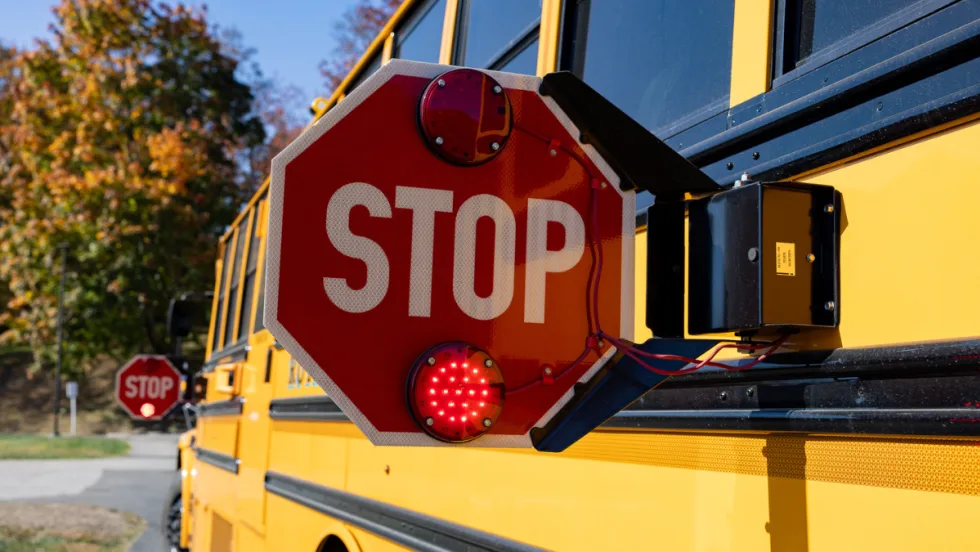
Illegal School Bus Passing Drops 24% in New York Districts
With fewer than 5% of citations involving repeat offenders, Westchester County officials said enforcement, education, and community partnerships are helping change driver behavior.
Read More →
School's Back. Here's What Happened to Traffic, Speeding & Distraction
What happens to traffic when school resumes? New data analysis examines changes in distracted driving, congestion, and speeding around schools.
Read More →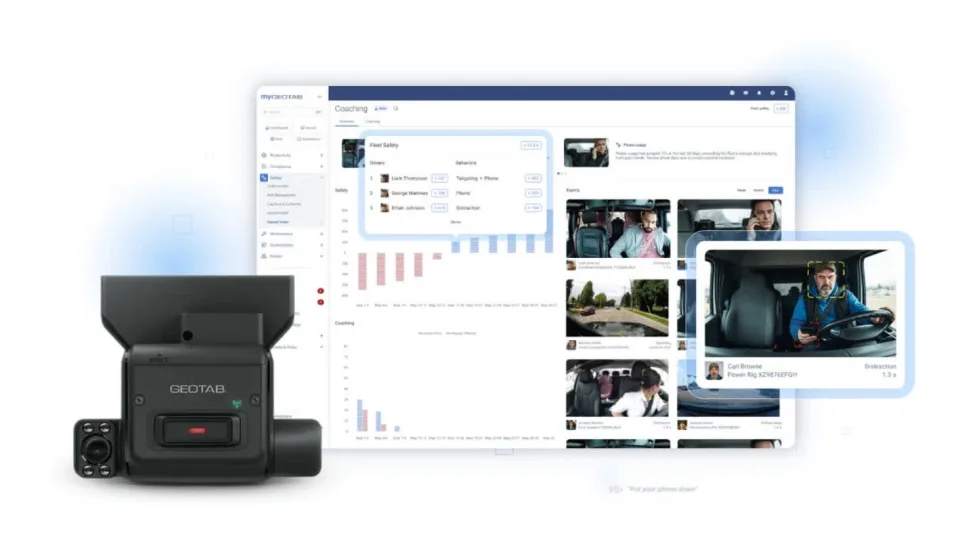
Geotab Expands Fleet Safety Tools With Video Coaching, Risk Insights
New safety and video capabilities aim to help fleet managers assess risk, support drivers, and take targeted action through video coaching, red-light violation detection, and more.
Read More →

How to Build a Better School Bus Driver Training Program
Is it time to strengthen your driver training? Here’s how to pick the right talent and improve recruitment, retention, and safety. This video is brought to you by IC Bus.
Read More →
Recent School Bus Accidents Leave 2 Dead, 2 Injured
Four school bus crashes in Florida, Illinois, and Georgia highlight risks in transportation lots, at bus stops, and during student loading and unloading.
Read More →
When Every Second Matters, Clarity Keeps Routes Moving
From routine delays to urgent incidents, strong communication practices help drivers, dispatchers, schools, and families respond with confidence.
Read More →
What Happens When a School Bus Catches Fire — and What Can Help
School bus fires are rare but can be devastating. Learn how advances in fire suppression and asset protection help fleets detect fires earlier, reduce damage, and improve safety.
Read More →
Geotab Launches Tool to Help Fleets Investigate Road Incidents
Geotab Investigations combines telematics data, video, documents, and other evidence to help fleets reconstruct incidents, resolve claims, and determine what happened.
Read More →
Texas Sixth Grader Wins 2026 National School Bus Safety Poster Contest
Sai Darshana Yekolu of Moseley Middle School in Prosper, Texas, was named the newest winner for her artwork, bringing the theme of “Safe Rides, Everyday Heroes” to life.
Read More →
Doing More With Less: How Transportation Directors Can Prioritize Safety Amid Budget Uncertainty
With diesel prices soaring and nearly one-third of transportation directors expecting budget cuts, maintaining student safety has never been more challenging. Download this guide to learn how leading districts are prioritizing risk, funding critical safety technology, and building stronger budget cases with data.
Read More →