




NSTA Advocacy in Action — A Government in Transition
The presentation of the budget becomes one of the new president’s first significant actions, as this gives insight into the priorities and initiatives of the new administration.
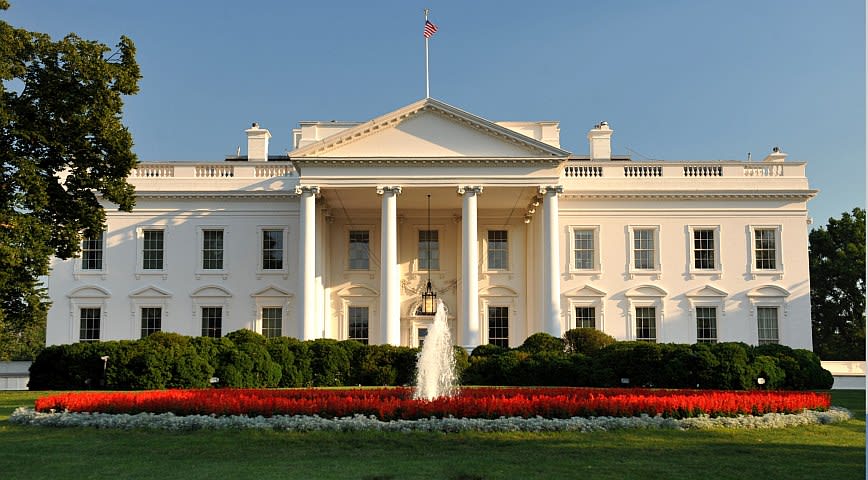
Photo by Cezary Piwowarski
Photo by Cezary Piwowarski
With approximately 2.7 million employees, the U.S. federal government is the largest employer in the world.
The vast majority of those employees are civil service — which means they are permanent employees and they are responsible for things as diverse as protecting federal judges, conducting medical research, and ensuring the safety of our nation’s roadways. The remaining federal government employees, of whom there are about 4,000, are political appointees.
Political appointees usually serve at the pleasure of the president, meaning they can be removed by the president at any time for any reason. By tradition, political appointees usually resign when the appointing president leaves office, unless they are asked to stay by the new president.
Of those 4,000 political appointees, roughly 1,100 require Senate confirmation, and it is in filling those positions that President Trump will focus his staffing efforts. Positions requiring Senate confirmation include, but are not limited to, secretaries of Cabinet-level agencies, sub-Cabinet agencies, and departments and their senior staff; members and heads of independent agencies (depending on when their terms expire), such as the National Transportation Safety Board; and federal judges.
The transition from one leader to another must be as seamless as possible. The Presidential Transition Act of 1963 created a formal process to facilitate presidential transitions. Because of this framework, key personnel from the outgoing and incoming administrations work to ensure a successful transition, which includes vetting candidates for positions in the new administration, helping to familiarize the incoming administration with the operations of the executive branch, and developing a comprehensive policy platform.
The importance of a well-organized transition has always been important, but following the events of Sept. 11, 2001, the transitional efforts now include a significant focus on readiness to take immediate responsibility for national security following the inauguration.
Given all of the focus on the incoming president and the preparations for his new administration, it is easy to forget that the outgoing president still has time during his lame duck session (the time between the election and the inauguration) to push through the last of his initiatives. This is true for all presidents, but especially when the presidential political party changes.

Ronna Weber is executive director of the National School Transportation Association (NSTA).
Outgoing presidents often work to conclude their regulatory priorities and consider executive orders as well as presidential pardons in their final days in office.
So what does this mean for regulatory action, which is what affects our industry the most? Any proposed rules that are not published in the Federal Register as final rules by the time the outgoing president leaves office can be withdrawn by the new administration.
Once final rules have been published, however, the only way for a new administration to eliminate or change them is to go through the rulemaking process again or ask Congress to nullify them. The effects of this change on the regulatory activities of the Obama administration will become clear in the coming days.
Another interesting transition of note is the president’s budget. The Budget and Accounting Act of 1921 was amended in 1990 to require the president’s budget to be submitted “on or after the first Monday in January but not later than the first Monday in February of each year.”
This makes it possible for an outgoing president to leave the annual budget submission to his successor, an option that the three outgoing presidents since the passage of the amendment have chosen. The presentation of the budget becomes one of the new president’s first significant actions, as this gives insight into the priorities and initiatives of the new administration.
A presidential transition always poses new opportunities as well as new challenges, and NSTA stands ready to put our advocacy into action as necessary.
More Management

STA Acquires Sunrise Transportation
Student Transportation of America expands in Illinois and Connecticut through Sunrise's fleet of nearly 1,000 vehicles.
Read More →
EPA Opens $180M DERA Funding Round for Diesel Upgrades
The 2026 Diesel Emissions Reduction Act program seeks applications from eligible organizations to accelerate the retirement of legacy diesel vehicles.
Read More →
HopSkipDrive’s CareEngine Targets the ‘Exceptions’ in Student Transportation
The new platform works alongside districts’ existing transportation management systems to coordinate specialized rides, automate last-minute changes, and turn ride data into operational improvements.
Read More →


The Right Ride for Every Student: Navigating the New Student Transportation Ecosystem
How should districts blend school buses with small-vehicle transportation and other options? EverDriven CEO Mitch Bowling discusses safety, costs, partnerships, and strategy.
Read More →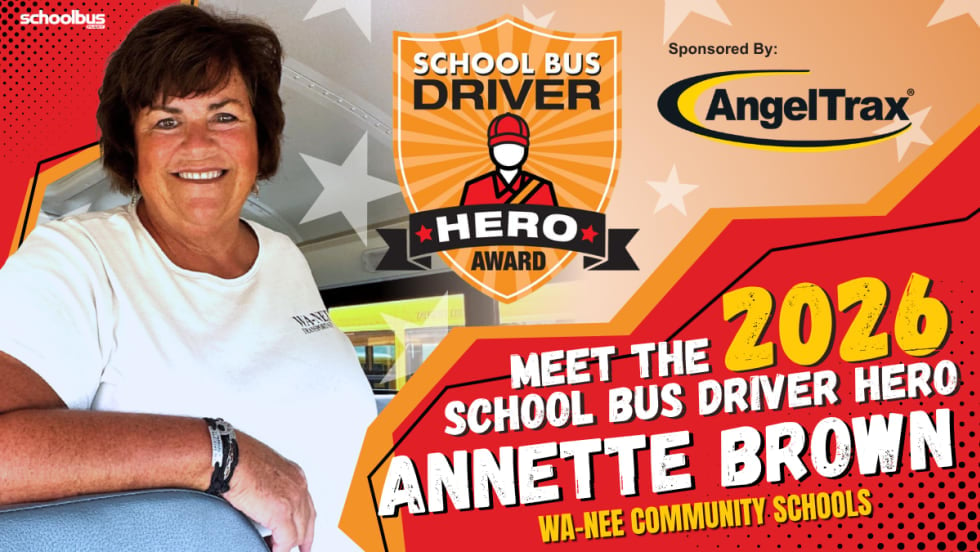
Annette Brown Always Takes the Extra Time: Meet Our 2026 School Bus Driver Hero
For more than 30 years, the Wa-Nee Community Schools driver has treated students like family, combining safety, compassion, and servant leadership to make a lasting difference on and beyond the school bus.
Read More →
How to Build a Better Driver Training Program
Ready to boost up your school bus instructor training? Here’s how to pick the right talent and improve recruitment, retention, and safety.
Read More →
CALSTART and Forth Combine to Form Catalyst Mobility
The new name represents a renewed vision for the nonprofit focused on advancing clean, equitable, and affordable transportation solutions that move people and goods.
Read More →
What Makes a Great School Bus Driver Trainer?
Choosing the right school bus driver trainer takes more than experience. Learn six keys to selecting and developing trainers and evaluating program effectiveness.
Read More →
School Bus Contractors Expand Through New Deals, Acquisitions & Partnerships
STA's Canadian division acquires Ontario-based G&L Stevenson Transport; Durham School Services adds a new district in California; First Student expands in New Jersey; and Minnesota Coaches rebrands and acquires Halo Transportation.
Read More →
Logan Bus Company Rolls Out AI Phone System for NYC School Bus Families
A summer pilot found that AI agents could handle most routine calls, freeing up time for customer service staff to focus on emergencies and complex family concerns.
Read More →