




Not just transportation
School buses in the U.S. safely shuttle some 24 million kids to and from school each day, but are the big, yellow vessels contributing to the education process in other ways?

Everyone knows that school buses are a form of transportation. But are they more than that?
Yes, school buses in the U.S. safely shuttle some 24 million kids to and from school each day, but are the big, yellow vessels contributing to the education process in other ways? Lately, I've been seeing a slew of examples that show great potential in this area.
In the July 2011 issue, we report on a paper from Ted Finlayson-Schueler, president of Safety Rules!, that discusses how to help special-needs school bus passengers build skills for riding transit buses later in life. That will be critical for many of these students who won't be able to drive themselves as adults.
At the Transporting Students With Disabilities and Preschoolers conference earlier this year, Pete Meslin and Cheryl Wolf gave a likeminded presentation.
Meslin, director of transportation at Newport-Mesa Unified School District in California, and Wolf, now a consultant after having retired from her district position, spoke about identifying special-education students who can move away from curbside bus service (stopping directly in front of their home).
The speakers said that shifting these students to a neighborhood bus stop or picking them up in front of their neighbor's house can contribute to their development and teach them life skills — especially if they go on to use public transit after graduating from school.
The route to learning
There are plenty of other ways that the school bus can be integrated into the learning experience. One is by setting up reading programs.
A school bus driver for Homer (N.Y.) Central School District has implemented just such a program. As reported by WSYR-TV, OnnaJean Votra awards a prize at the end of every week to the team of students that reads the most books. They can bring their own books or pick from a bag at the front of the bus.
Votra came up with the idea when she was reading to her son and realized how quiet he was being. So in addition to the educational aspect, the program helps maintain order on board.
We've also seen reports of school districts equipping buses with wireless Internet access, encouraging students to study and do assignments online while blocking inappropriate content.
Surviving in tough times
In addition to contributing to children's education, programs like these could prove helpful when transportation departments are making a case to try to ward off budget cuts.
Meslin touched on that point in the roundtable discussion in our February 2011 issue.
"We tend to think of ourselves as the people who safely deliver students to school, and then the educators take over and educate the kids," Meslin said. But in this type of economy, "If we're not educators, then we're not going to exist, because the cuts are going to be away from the classroom, if at all possible."
Have your buses become part of the learning process in other ways? If so, we'd like to hear about it. Send me an e-mail at thomas.mcmahon@bobit.com.
More Safety
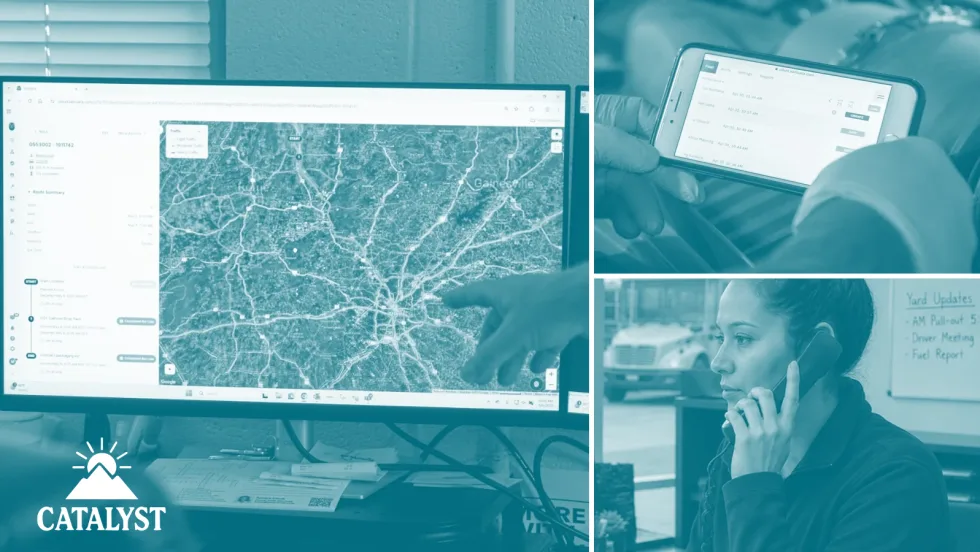
From Reactive to Proactive: Making Every Ride Visible
Smart technology only delivers its full value when it works together. See how Catalyst connects proven industry platforms to move student transportation from reactive to proactive.
Read More →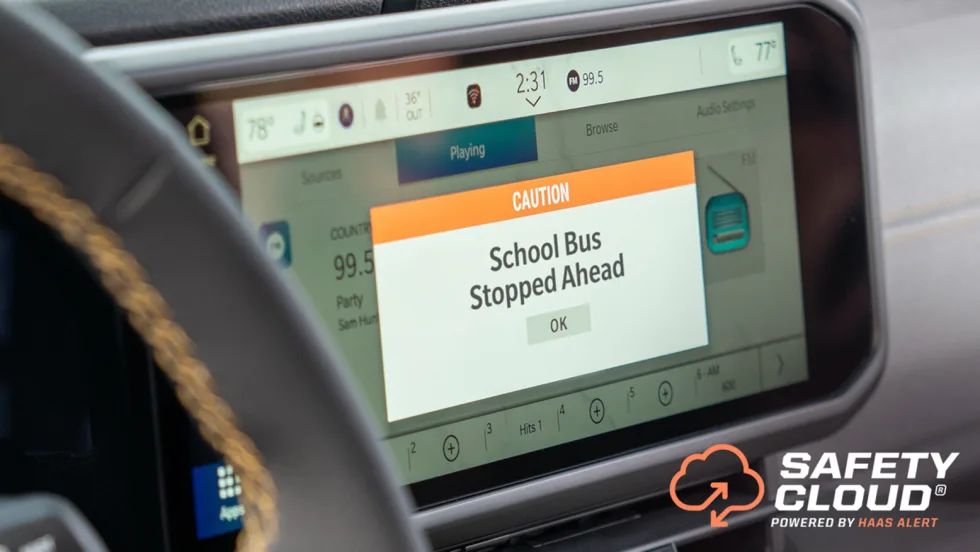
HAAS Alert’s Safety Cloud Warns Motorists of Stopped School Buses
Through a transponder or Samsara connection, the product lets school bus fleets send advance warnings to approaching drivers through in-vehicle alerts.
Read More →
HopSkipDrive Reports Progress on Safety Advisory Council
More than a year after forming the council, independent safety experts have helped shape new rider-safety features and policy progress, with a new goal to address rider behavior.
Read More →
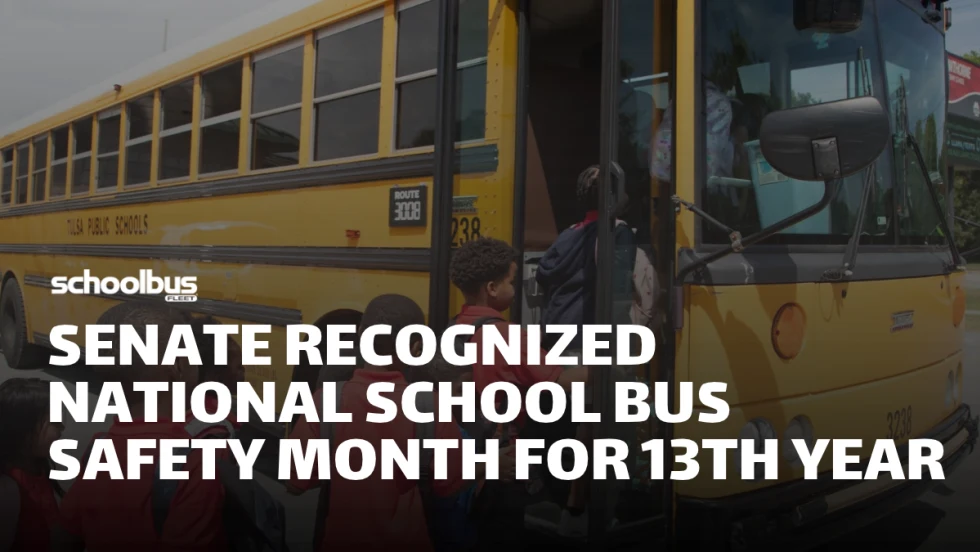
What the 2026 National School Bus Safety Month Resolution Means for Student Transportation
The bipartisan resolution highlights illegal school bus passing, student safety during loading and unloading, and the need for driver training and public education.
Read More →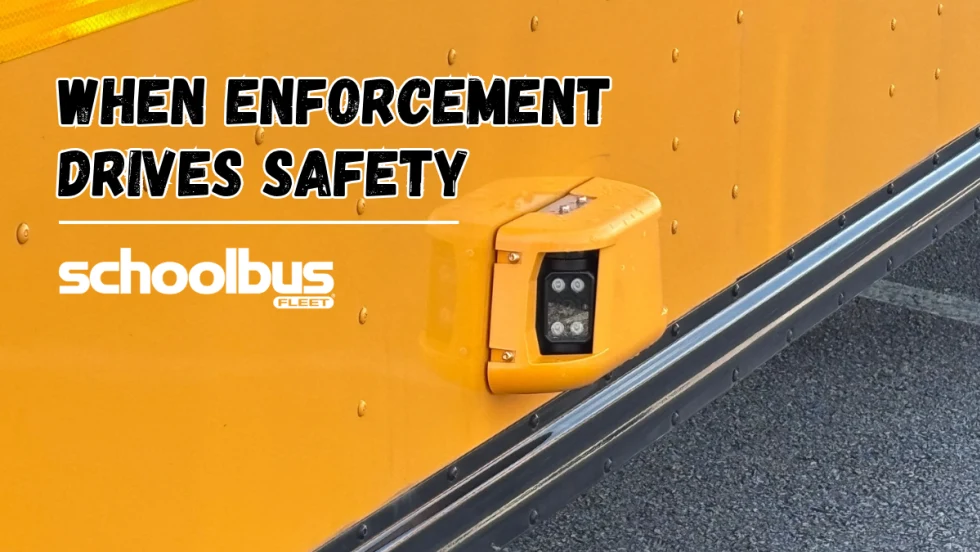
School Bus Stop-Arm Violations Decline 53% Across Verra Mobility Programs
Verra Mobility shares how school bus stop-arm cameras and school zone safety programs are changing driver behavior, reducing violations, and protecting students.
Read More →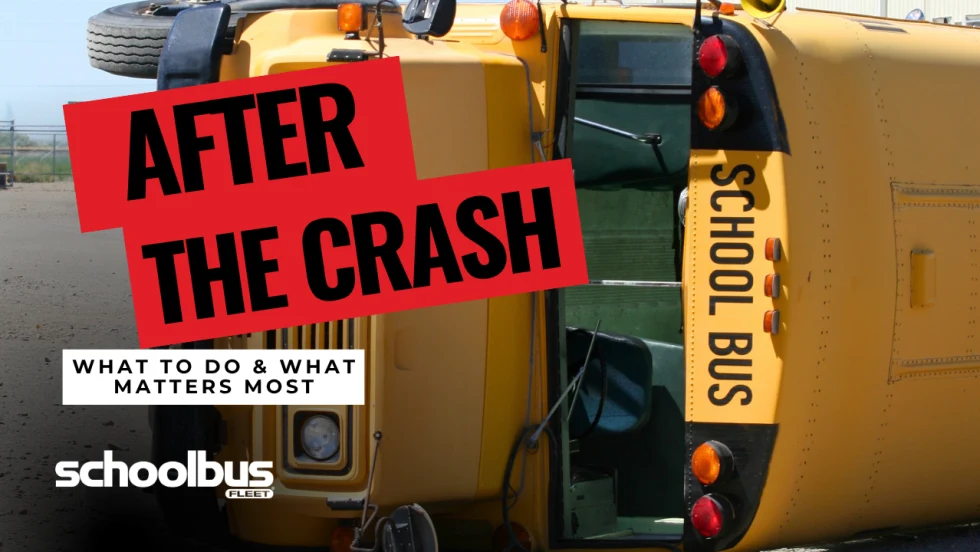
Most Bus Crashes Aren’t Your Fault. Here’s How to Prove It.
A guide for what to do in between a school bus crash and a claim: what to preserve, who to notify, and how to keep the facts available when they matter.
Read More →
National School Bus Safety Week 2026: Tips, Toolkits & Resources to Keep Students Safe
School bus safety takes more than awareness. Explore expert tips, enforcement strategies, and free resources to help protect students on every ride.
Read More →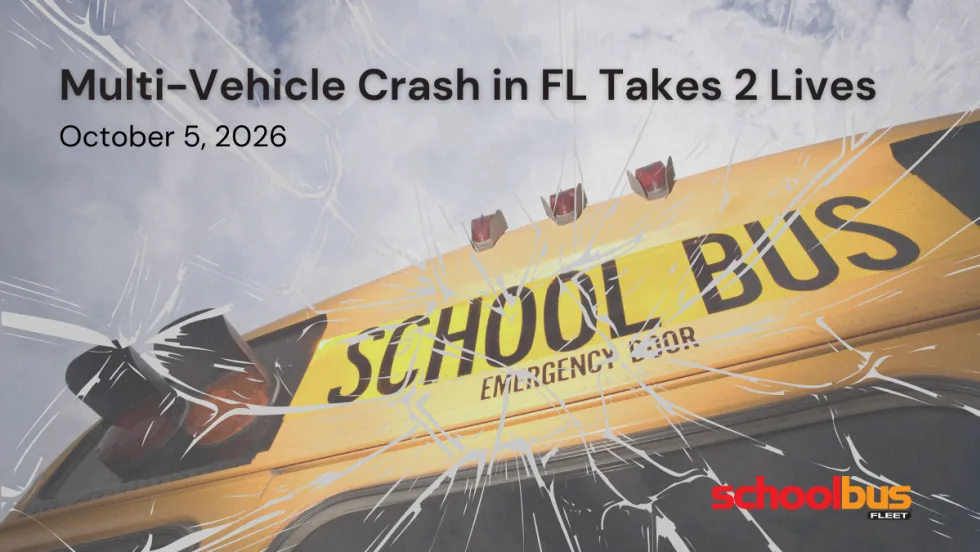
2 Killed, Dozens Injured in Florida School Bus Crash
A multi-vehicle collision caused a Polk County school bus carrying 37 students to overturn on its way to Winter Haven High School.
Read More →
Illegal School Bus Passing Drops 24% in New York Districts
With fewer than 5% of citations involving repeat offenders, Westchester County officials said enforcement, education, and community partnerships are helping change driver behavior.
Read More →
School's Back. Here's What Happened to Traffic, Speeding & Distraction
What happens to traffic when school resumes? New data analysis examines changes in distracted driving, congestion, and speeding around schools.
Read More →