




NHTSA to issue proposal to enhance passenger protection
WASHINGTON, D.C. — More than 100 people with a stake in pupil transportation safety met here in mid-July to discuss the contentious topic of seat belt...

WASHINGTON, D.C. — More than 100 people with a stake in pupil transportation safety met here in mid-July to discuss the contentious topic of seat belts on school buses.
The National Highway Traffic Safety Administration (NHTSA) assembled a panel of school bus industry figures, government officials and doctors to deliberate on the issue.
NHTSA Administrator Nicole Nason said that her agency would use the information presented in the day-long meeting to develop a Notice of Proposed Rulemaking (NPRM) aimed at improving school bus passenger crash protection.
Roger Saul, director of crashworthiness rulemaking for NHTSA, said that the NPRM would likely call for higher seat backs and establish performance requirements for seat belts. Saul said that the notice was targeted for early 2008.
Commencing the meeting, U.S. Transportation Secretary Mary Peters said that while school buses are the safest form of transportation on the nation’s highways, it is important to assess whether they can be made safer. “We owe it to our children to look at this issue with fresh eyes,” she said of the decades-old seat belt debate.
National Transportation Safety Board (NTSB) Member Deborah Hersman said her agency has found that the compartmentalization provided by school bus seats works well in front and rear impacts, but it is less protective in side impacts and rollovers.
In 1999, the NTSB recommended that NHTSA improve performance standards for school bus passenger protection. Last November, the NTSB added the item to its “Most Wanted” list of safety improvements.
Suzanne Tylko, director of crashworthiness research for Transport Canada, presented findings from school bus crash tests conducted by her agency.
Tylko said dummy tests showed that passengers in lap-shoulder belts still move sideways significantly in side impacts. The agency determined that a potential safety improvement would be to add energy-absorbing material to side structures on school buses.
While panelists offered some conflicting opinions on seat belts, one recurring suggestion was that there is a lack of real-world crash data that could help assess the performance of belts on buses.
California has required lap-shoulder belts on new large buses since July 2005, but state pupil transportation director John Green said that there have been no catastrophic crashes in the state involving buses equipped with lap-shoulder belts.
Florida currently has about 8,500 school buses equipped with lap belts. State pupil transportation director Charlie Hood said that in the six years since the state’s seat belt requirement went into effect, there have been no known crashes in which the belts saved lives.
However, there was a Palm Beach County crash in which an unbelted passenger — on a bus with lap belts — who was sitting on her knees was killed after being ejected through the service door.
Another panelist, National Association of State Directors of Pupil Transportation Services Executive Director Bob Riley, who was the director of transportation at the School District of Palm Beach County when that accident occurred, said that “without question, the seat belt being worn would have prevented the fatality.”
Robin Leeds of the National School Transportation Association drew attention to “the other elephant in the room: the 800 children lost per year because they aren’t in school buses.” Leeds said that the industry’s real challenge is how to get more kids out of less-safe forms of transportation and into yellow buses.
But two panelists challenged the safety crown that has been bestowed upon school bus transportation.
Dr. Arthur Yeager of the National Coalition for School Bus Safety, a group that advocates seat belts on buses, detailed what he called “myths and distortions” from the pupil transportation industry and federal officials.
Dr. Phyllis Agran of the American Academy of Pediatrics reasserted her group’s finding from a study published last year that the number of school bus-related injuries per year is twice what NHTSA had previously estimated — 17,000, compared to 8,500. Agran called compartmentalization “antiquated.”
Following the panelists’ presentations, Nason seemed discouraged by the amount of disagreement. “We heard a lot of conflicting information, unfortunately,” she said. “We heard that states know best; we heard that the federal government knows best. I’m not sure we have much clarity.”
More Safety
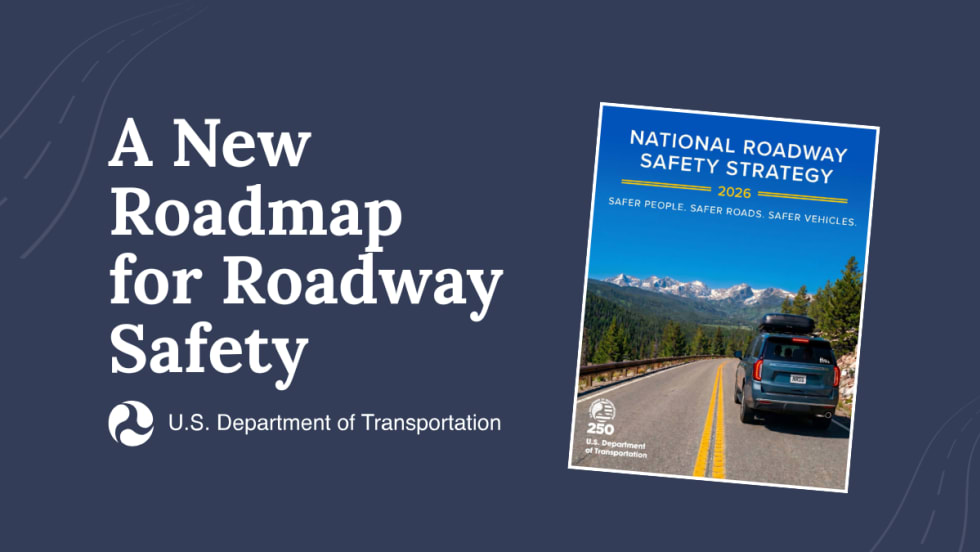
What Changed in DOT’s New National Roadway Safety Strategy?
The federal agency's new plan shifts its focus to safer people, roads and vehicles, with a new three-pronged approach instead of five. One outlined action even addresses a key industry concern around illegal school bus passing.
Read More →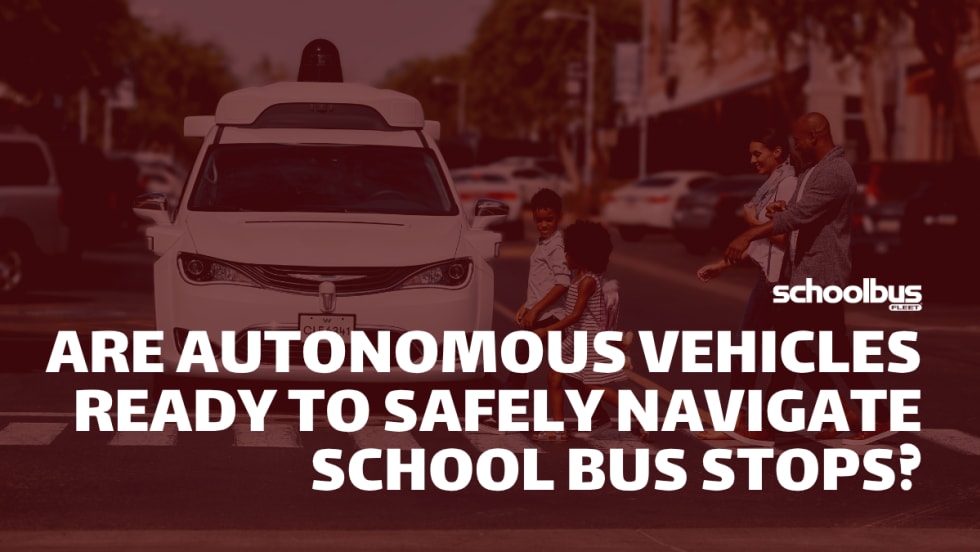
Are Autonomous Vehicles Ready to Safely Navigate School Bus Stops?
NHTSA is accelerating autonomous vehicle deployment through new safety standards and commercial approvals. See why school transportation leaders are watching.
Read More →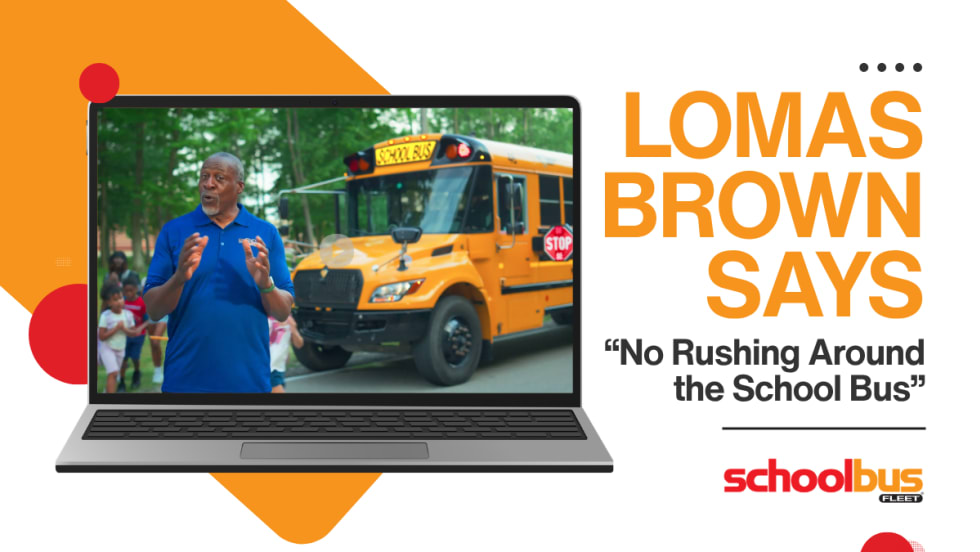
NFL Star Lomas Brown Kicks Off New Illegal School Bus Passing PSA
Just in time for the back-to-school season, the former Detroit Lions offensive tackle took time to record a video encouraging motorists to slow down around school buses.
Read More →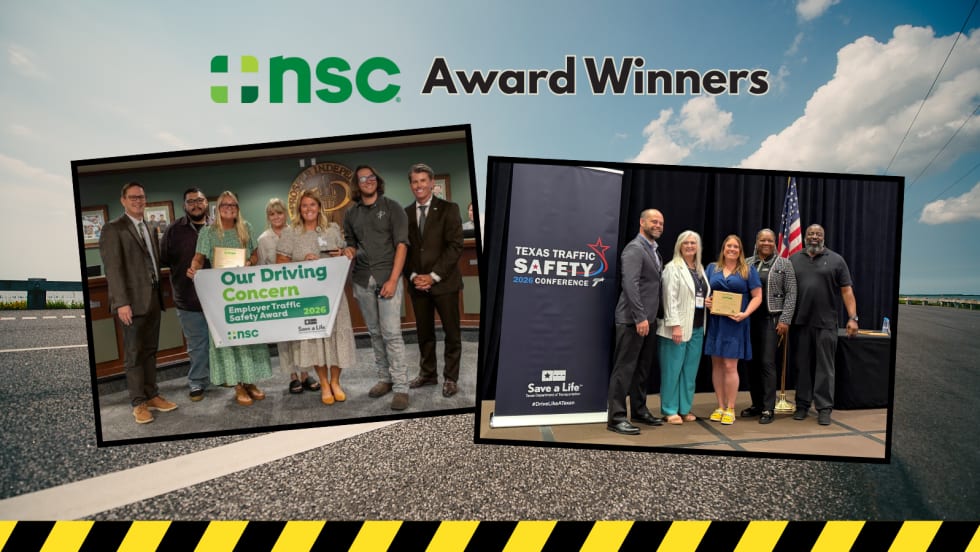
How Two Texas Districts Built Award-Winning Safety Programs
Learn how Prosper ISD and Rockwall ISD earned National Safety Council honors through hands-on training, safety culture, and strategies that reduced transportation incidents.
Read More →
NHTSA Releases 10-Year Review of Fatal School Bus Crashes
The latest federal analysis reinforces the safety of school buses while identifying where school-age pedestrians and other motorists remain most at risk.
Read More →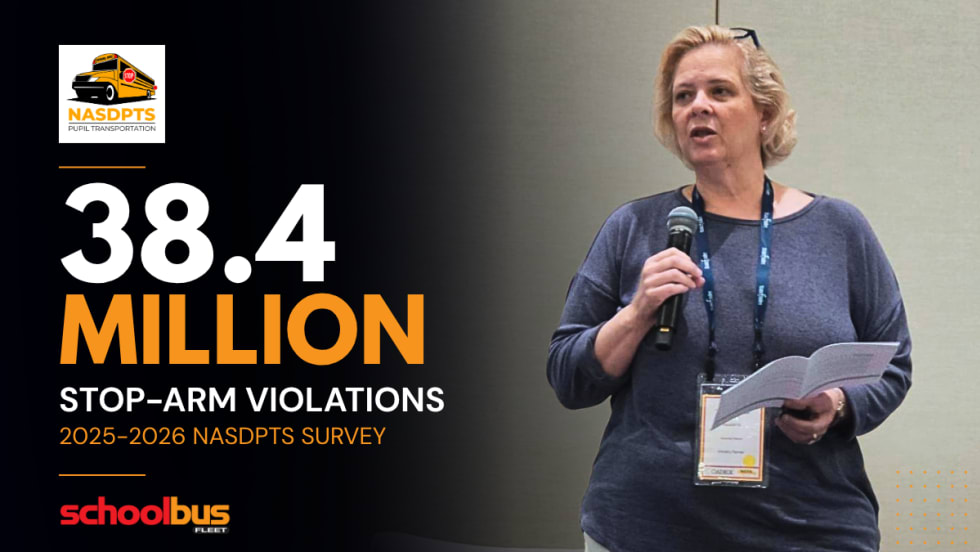
2026 NASDPTS Survey: Data Shows Further Reduction of Illegal Passing
New data is in! School bus stop-arm passings are down to 38.4 million violations per year, about a 2.3% decrease from last school year — but passings on the right side of the bus are higher than ever.
Read More →
Another School Bus Fatality Reported in Monsey, New York
A 7-year-old girl died after being struck by a school bus in Rockland County, New York while crossing the street. Here's what we know.
Read More →
NSTA Announces 2026 School Bus Driver International Safety Competition Winners
Drivers from across the U.S. and Canada showcased their safety and driving skills, with two defending champions successfully retaining their titles.
Read More →
The Driver Shortage Playbook
Driver shortages are still a major challenge for student transportation fleets, but the real issue has shifted. It’s no longer just about filling seats quickly. It’s about finding safe, reliable drivers who meet performance expectations and want to stay. The Driver Shortage Playbook covers why traditional recruitment tactics are falling short and how school fleets are adapting with smarter hiring, stronger retention strategies and a greater focus on driver quality.
Read More →
Pro-Vision Launches AI-Powered 360° Camera System
The new Birdseye camera delivers real-time AI-based pedestrian and vehicle detections, full visibility around the bus, and telematics integrations.
Read More →