




NHTSA rolls up sleeves to write pre-k guidelines
The National Highway Traffic Safety Administration (NHTSA) recently notified the industry that it intends to develop guidelines for transporting pre-k...
The National Highway Traffic Safety Administration (NHTSA) recently notified the industry that it intends to develop guidelines for transporting pre-kindergarten children on school buses. In this instance, the feds are making the right move, and they deserve the support of the pupil transportation industry. NHTSA's move is official recognition of a growing concern over how to transport very young children on school buses. This concern is accentuated by the steadily increasing number of pre-kindergarten children who are riding school buses under a variety of programs, including Head Start, which also awaits some direction from NHTSA on its transportation policy. Bus design creates dilemma
It's no secret that traditional school buses were neither originally designed nor even adaptable in many cases for kids this young. Even in cases where seat belts needed to secure infant seats were properly anchored in compliance with federal regulations, the practice itself of putting infant and toddler seats on school buses has been highly controversial. In fact, the 1995 National Standards on School Transportation document points out some of the problems. "... child safety seats ...were not designed for use in school buses and there are no federal standards for their use in school buses," the document states. In addition to the anchoring problems mentioned above, it also points out that the very compartmentalization concepts mandated by federal regulations for transporting conventional-age schoolchildren create problems for those needing child safety seats. The standards document suggests that pupil transportation providers "use the best practices available." Kentin Gearhart, manager of the Mobile School Bus Project at Riley Hospital in Indianapolis, describes some of these practices in his article, "Best Practices for the Use of Child Restraint Systems" in the March 1998 issue. An authority in the field of infant and toddler transportation, he can provide numerous disquieting anecdotes of operators unsure and ill-informed about exactly what these "best practices" are. Recently, NHTSA finally recognized the pickle its lack of standards is putting pupil transportation in and conducted crash tests using toddler-size dummies in child safety seats. The agency concluded from the experiments that children under the age of 5 must be transported in properly secured safety seats. Meeting hits the right balance
Realizing that there is no standard industry practice and acknowledging the acute need to have one, NHTSA called a two-day meeting of representatives from all three national industry associations, the major school bus manufacturers and its own staff. The purpose of the sessions, which were held after our press deadline in Washington, D.C., was to hammer out guidelines that could be used as the very standard industry practice that's been sorely missing for so long. While members of the press are not usually enthusiastic about being barred from such news-making gatherings, this member thinks that the agency's move was a good one. NHTSA officials told SCHOOL BUS FLEET that they plan for the event to comprise "working sessions" with rolled-up sleeves - and no journalists to provide distractions to the participants. Once these guidelines are drafted, NHTSA plans to circulate them widely for comment. Although only advisory at this point, the agency is following the note-and-comment procedures it would follow in actual regulations. Its intent is to seek wider industry input. Once we are at that stage, I urge as many industry comments as possible. This issue is too important to let this chance pass by.
More Safety
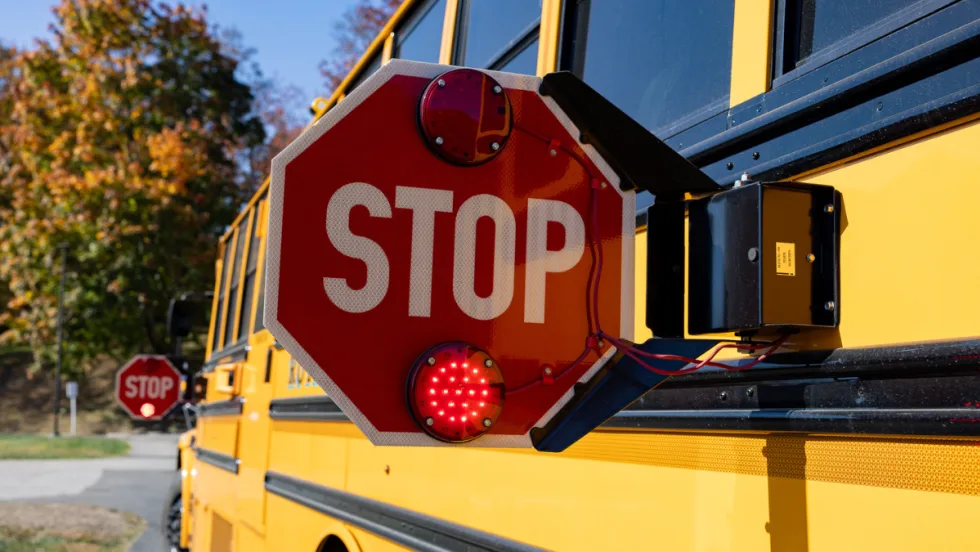
Illegal School Bus Passing Drops 24% in New York Districts
With fewer than 5% of citations involving repeat offenders, Westchester County officials said enforcement, education, and community partnerships are helping change driver behavior.
Read More →
School's Back. Here's What Happened to Traffic, Speeding & Distraction
What happens to traffic when school resumes? New data analysis examines changes in distracted driving, congestion, and speeding around schools.
Read More →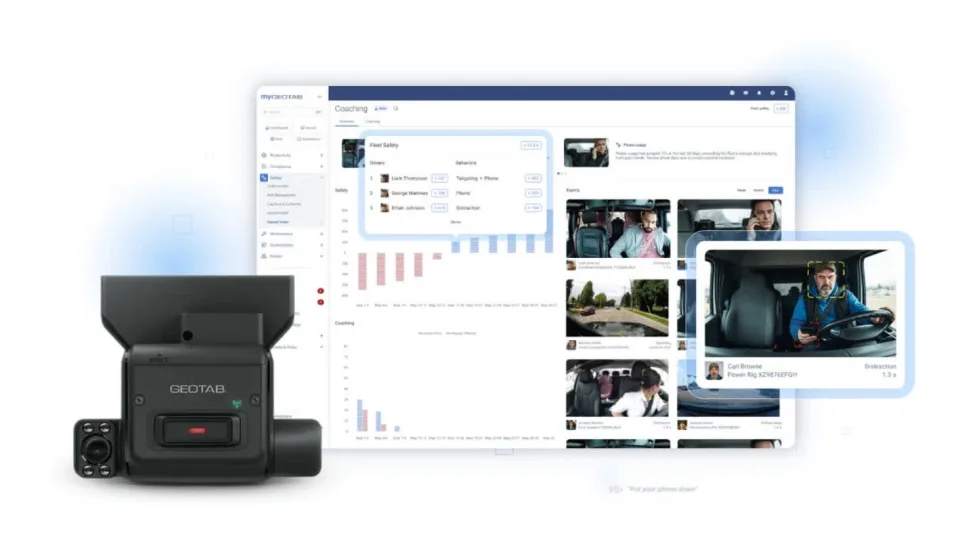
Geotab Expands Fleet Safety Tools With Video Coaching, Risk Insights
New safety and video capabilities aim to help fleet managers assess risk, support drivers, and take targeted action through video coaching, red-light violation detection, and more.
Read More →

How to Build a Better School Bus Driver Training Program
Is it time to strengthen your driver training? Here’s how to pick the right talent and improve recruitment, retention, and safety. This video is brought to you by IC Bus.
Read More →
Recent School Bus Accidents Leave 2 Dead, 2 Injured
Four school bus crashes in Florida, Illinois, and Georgia highlight risks in transportation lots, at bus stops, and during student loading and unloading.
Read More →
When Every Second Matters, Clarity Keeps Routes Moving
From routine delays to urgent incidents, strong communication practices help drivers, dispatchers, schools, and families respond with confidence.
Read More →
What Happens When a School Bus Catches Fire — and What Can Help
School bus fires are rare but can be devastating. Learn how advances in fire suppression and asset protection help fleets detect fires earlier, reduce damage, and improve safety.
Read More →
Geotab Launches Tool to Help Fleets Investigate Road Incidents
Geotab Investigations combines telematics data, video, documents, and other evidence to help fleets reconstruct incidents, resolve claims, and determine what happened.
Read More →
Texas Sixth Grader Wins 2026 National School Bus Safety Poster Contest
Sai Darshana Yekolu of Moseley Middle School in Prosper, Texas, was named the newest winner for her artwork, bringing the theme of “Safe Rides, Everyday Heroes” to life.
Read More →
Doing More With Less: How Transportation Directors Can Prioritize Safety Amid Budget Uncertainty
With diesel prices soaring and nearly one-third of transportation directors expecting budget cuts, maintaining student safety has never been more challenging. Download this guide to learn how leading districts are prioritizing risk, funding critical safety technology, and building stronger budget cases with data.
Read More →