




Newsletters Can Help to Inspire and Retain Drivers
A newsletter that mixes personal glimpses with just-for-fun items and newsworthy events can help to build morale.
Good transportation supervisors are always on the lookout for ways to recognize and reward good drivers. A newsletter can be a valuable and inexpensive tool for this type of positive reinforcement. Such a project can be spearheaded by a transportation supervisor, time permitting, or a driver with a positive attitude who enjoys writing.
Ask for submissions
Receiving driver input is essential. Before beginning your newsletter, post a flyer asking for submissions. Here are a few ideas for material — jokes, poems, births, stories, interesting vacations, items for sale. Don’t be discouraged if you at first receive nothing. Drivers might want to wait and see what kind of publication you have in mind before they feel comfortable participating. You can still fill up your newsletter with news stories, puzzles, quotes, quizzes, contests, safety tips and perhaps a story about a driver (chosen at random and be sure that they all know this). If your operation is a small one, consider joining forces with other districts in your area. On the front cover you might put the school logos of the districts involved. Have each district give you a list of driver birthdays (excluding year) and do a birthday column for each issue. This way, all of the employees will see their names in the newsletter at least once a year. Call each district a couple of weeks before you go to print and let them know to post the date of the deadline in the drivers’ room. After you have assembled your newsletter, send each district involved a master copy and leave it up to them to make copies for their drivers. This way, the labor (photocopying) and cost (copier paper) is divided among the districts involved. If surrounding districts aren’t initially interested in working with you on the newsletter, start the project yourself and put them on your mailing list. One by one, they will join in.
Refine the project
When the contributions start pouring in, you will have some tough decisions to make. You may have to screen out certain items, such as distasteful jokes, overly religious material and things of highly controversial or political nature. Limit the length of your newsletter to 10 pages or less (five sheets, printed on both sides). You can use standard-size paper, stapling the pages together in the corner. For a more authentic newsletter look, you can print on larger paper and fold the pages together in the middle. Although some district policy can be included, remember that you want to keep this publication as fun to read as possible. Do not let it turn into another manual of rules. Make it interesting by adding photos or other graphics. Many common computer software programs include hundreds of clipart options, and easy-to-use scanners can be purchased for as little as $100. In looking at the material you have collected, decide how often you will publish your newsletter. Every other month may be the answer if you’re running short on time or contributions. However often you publish, make a commitment to have it out in a timely fashion. Before long, your drivers will be looking forward to receiving and reading their newsletter.
Show it off
Finally, be certain that the superintendent and the building administrators receive copies. A newsletter can enlighten others in the school and perhaps help them appreciate the tough job that the school bus driver has to do. Use this tool to its fullest advantage to give positive reinforcement to your drivers. They come to work every day for the money, but they will go the extra mile for that feeling of being appreciated.
Bonnie MacCartney is a program associate at the Pupil Transportation Safety Institute in Syracuse, N.Y.
More Management

Samsara Launches Free Driver Rewards Program
The new Driver Perks program gives eligible professional drivers access to discounts and offers without adding a cost for participating fleets.
Read More →
How Tax-Exempt Municipal Leases Can Help Finance School Buses
Let’s explore school bus financing options, including municipal leases, vendor payable accounts, and balloon payments, and how they can help stretch fleet budgets.
Read More →
Nominate Rising School Transportation Pros Under 40!
We’re searching for the next generation of leaders making an impact across the K-12 student transportation industry to recognize as SBF’s 2027 Trailblazers. Nominations are open now!
Read More →

Changing Lanes: BusWhere, EverDriven, InterMotive, Summit School Services, Switzer-Carty & Thomas Built Buses
Check out who's been hired, promoted, and appointed to leadership positions at various school transportation suppliers, contractors, and manufacturers.
Read More →
The Most Expensive Thing You Do Before Selling a School Bus: Wait
When should you sell an aging school bus? Learn how maintenance, mileage, corrosion, specifications, and timing can affect resale value long before the auction.
Read More →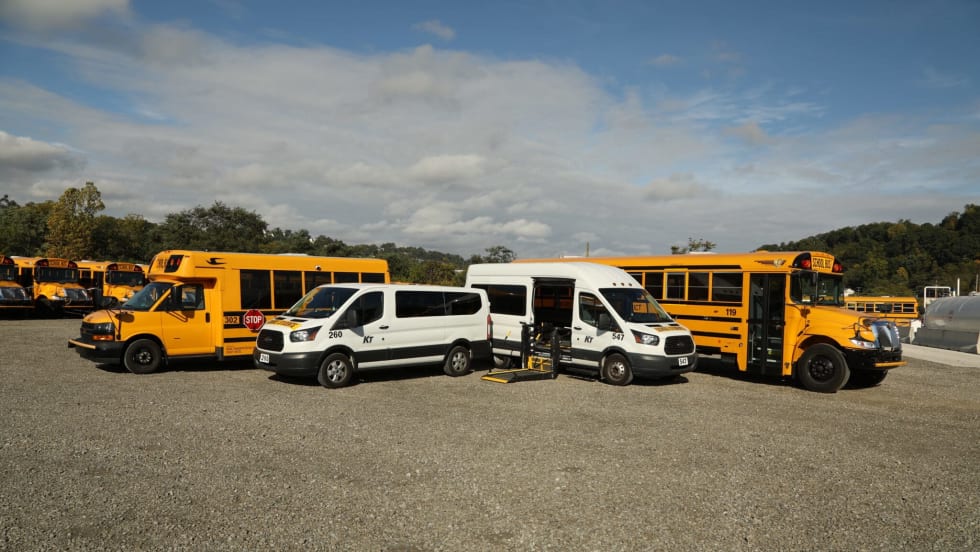
American Student Transportation Partners Acquires AJ Myers and Sons
A new deal brings a 75-year Pennsylvania student transportation provider into one of the nation’s largest private school bus contracting groups.
Read More →
What I Brought Home From SBFX: Relationships, Leadership, and Preparing What's Next
Who could lead your transportation operation tomorrow if you couldn't? Bernando Brown explores succession planning, mentorship, and preparing emerging leaders to step up.
Read More →
Inside School Bus Fleet ConneX 2026: Industry Leaders Connect in Scottsdale [Photos]
See highlights from SBFX 2026 in Arizona, where school bus operators and suppliers gathered for meetings, education, networking, awards, and more.
Read More →
School Transportation’s Biggest Pressures and Opportunities: SBFX Attendees Weigh In
School bus operators point to rising costs, staffing, and vehicle prices as immediate pressures while identifying technology, training, and routing as opportunities for growth.
Read More →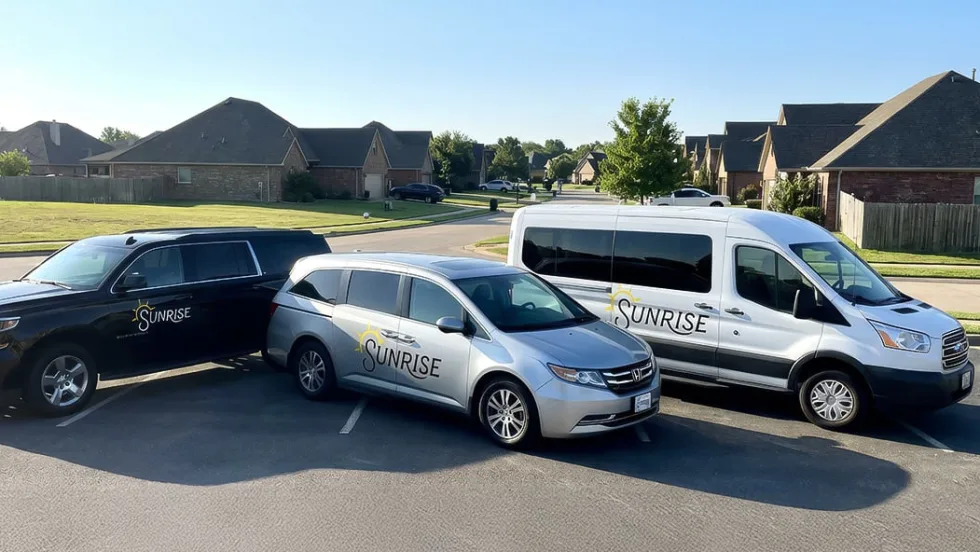
STA Acquires Sunrise Transportation
Student Transportation of America expands in Illinois and Connecticut through Sunrise's fleet of nearly 1,000 vehicles.
Read More →