




Never forget the danger of leaving a child behind
The death of autistic student Paul Lee, who was left on his school bus, is a tragic reminder of the importance of thoroughly checking every bus after every run.


Thomas McMahon is executive editor of School Bus Fleet.
If you monitor the nation’s media outlets for school bus news, as we do here at SBF, you’ll occasionally see stories about students being left unattended on school buses.
These incidents are relatively rare, considering that more than 25 million children in the U.S. are transported daily on yellow buses. But when they do happen, they put kids at risk and often lead to termination for the school bus driver.
Over the years, we’ve reported on many incidents of students being left stranded on school buses. We’ve also published feature articles with tips on how to prevent these incidents (see, for example, “10 Tips to Bolster Bus Checks for Sleepers” in our October issue).
In some cases, children are left alone on a bus for multiple hours. These incidents are traumatic for the child and his or her parents, but they typically haven’t resulted in serious physical harm to the child.
Tragically, the outcome was much worse on a school bus in Whittier, California, on Sept. 11 (already an infamous date). Hun Joon “Paul” Lee died after being left stranded on his school bus on a day when temperatures climbed into triple digits in some areas.
As of this writing, the autopsy on Lee had not yet been released, and officials had not yet confirmed exactly how long the autistic 19-year-old was left on the bus (his family members told local media that they believe he was stranded for about nine hours).
What is clear is that the school bus driver did not find Lee on the bus when he should have — in a post-trip check of the bus.
There are various measures that school bus operations can implement to ensure that students aren’t left behind on their buses, but none of these measures is foolproof. The key is to implement multiple measures — to build in redundancy.
For example, drivers can be required to conduct two checks per run: one when the bus becomes empty and another upon returning to the depot. Electronic child-reminder systems can be installed on buses, or simpler devices like a “BUS EMPTY” sign can be hung in the rear window of the bus. Managers can issue frequent reminders on the topic, and they can walk the yard when checks are being done.
A spokesperson for the Pupil Transportation Cooperative, the operator of Lee’s bus, told reporters that the agency is enhancing its safety procedures, including having two staff members check each bus for students and implementing an electronic child-check system.
As Wave Wire Services reported, the spokesperson called the tragedy “a teachable moment for this organization.”
In fact, the tragedy can be a teachable moment for all school bus operations. Lee’s death can serve as a poignant reminder of the importance of thoroughly checking every school bus after every run.
As a nation, we’ve already committed to “never forget” the terrorist attacks of Sept. 11, 2001. Now, the pupil transportation community must never forget the death of Paul Lee on Sept. 11, 2015.
More Safety
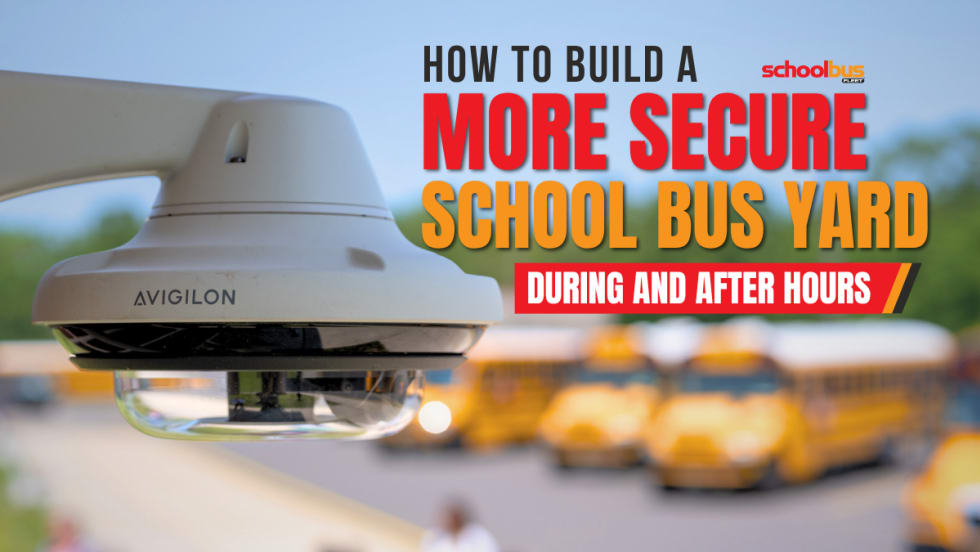
How To Build a More Secure School Bus Yard During and After Hours
As thefts and overnight security threats continue, school transportation leaders are combining stronger operational practices with AI-enabled surveillance to better protect buses, facilities, and staff.
Read More →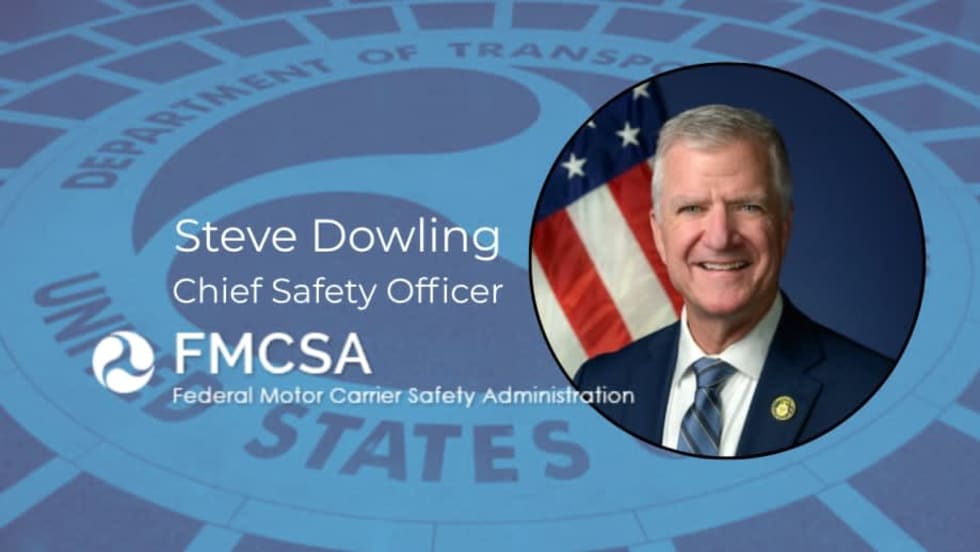
FMCSA Names New Chief Safety Officer: What School Bus Operators Should Know
Steve Dowling is set to lead the federal agency's efforts to advance commercial motor vehicle safety and reduce crashes, fatalities, and injuries on the nation's roadways.
Read More →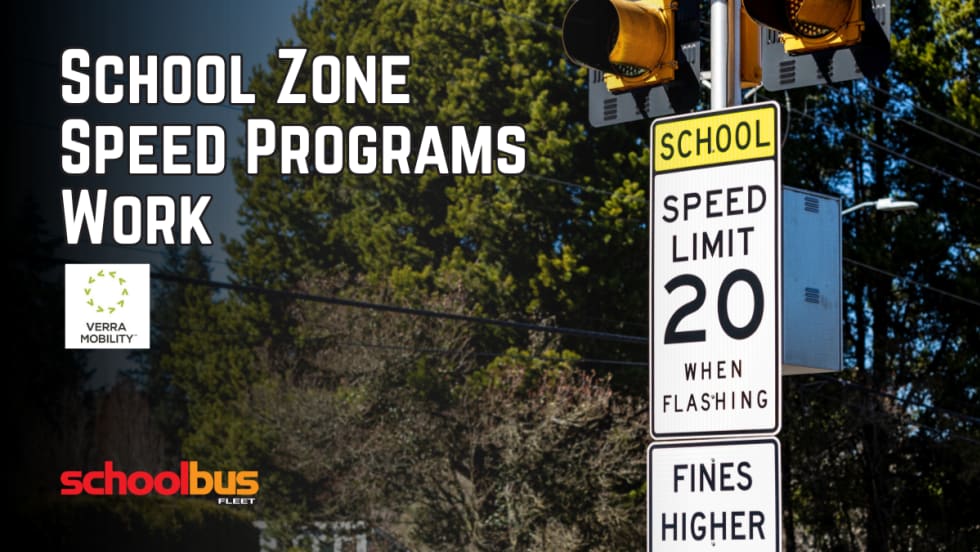
New Study Finds School Zone Speed Safety Cameras Cut Speeding Violations 97%
A Florida university's research demonstrates that Verra Mobility's automated enforcement changes driver behavior and significantly improves school zone safety.
Read More →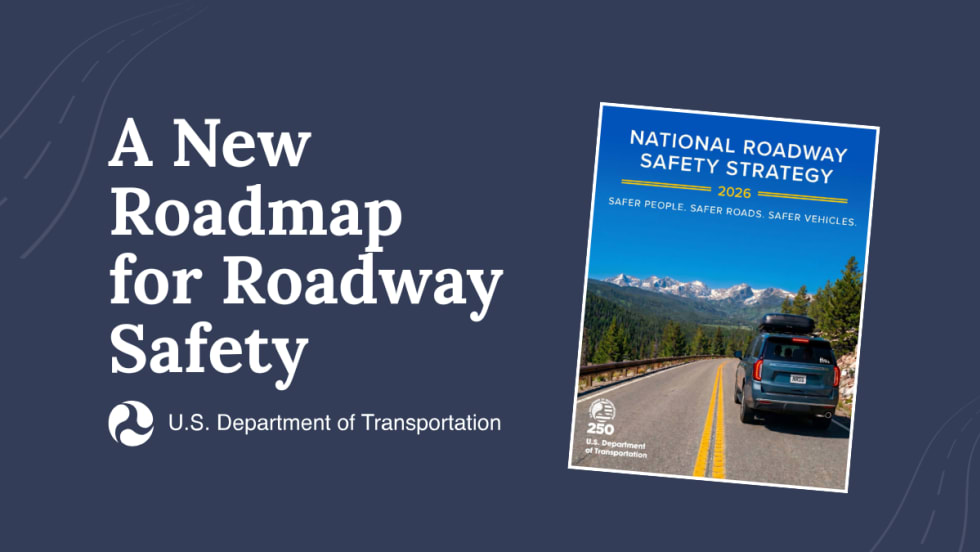
What Changed in DOT’s New National Roadway Safety Strategy?
The federal agency's new plan shifts its focus to safer people, roads and vehicles, with a new three-pronged approach instead of five. One outlined action even addresses a key industry concern around illegal school bus passing.
Read More →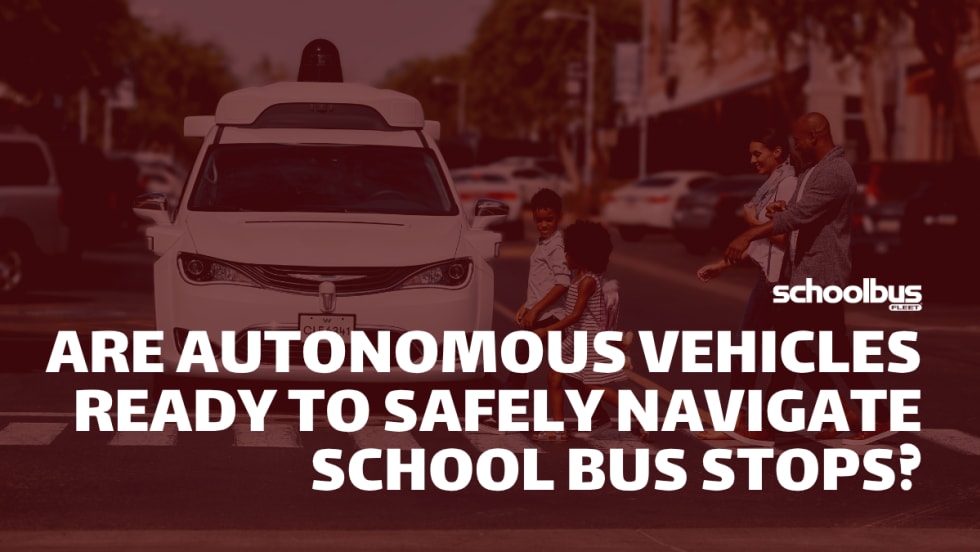
Are Autonomous Vehicles Ready to Safely Navigate School Bus Stops?
NHTSA is accelerating autonomous vehicle deployment through new safety standards and commercial approvals. See why school transportation leaders are watching.
Read More →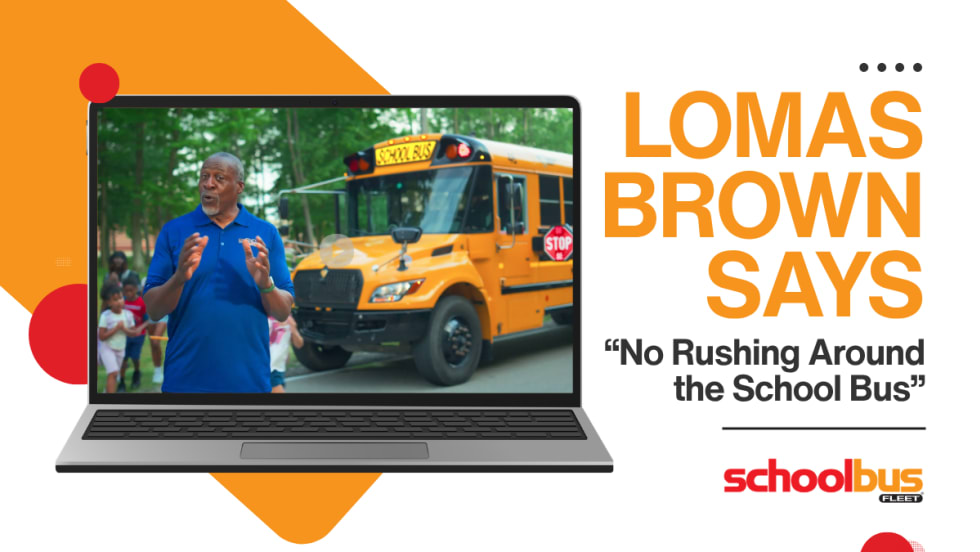
NFL Star Lomas Brown Kicks Off New Illegal School Bus Passing PSA
Just in time for the back-to-school season, the former Detroit Lions offensive tackle took time to record a video encouraging motorists to slow down around school buses.
Read More →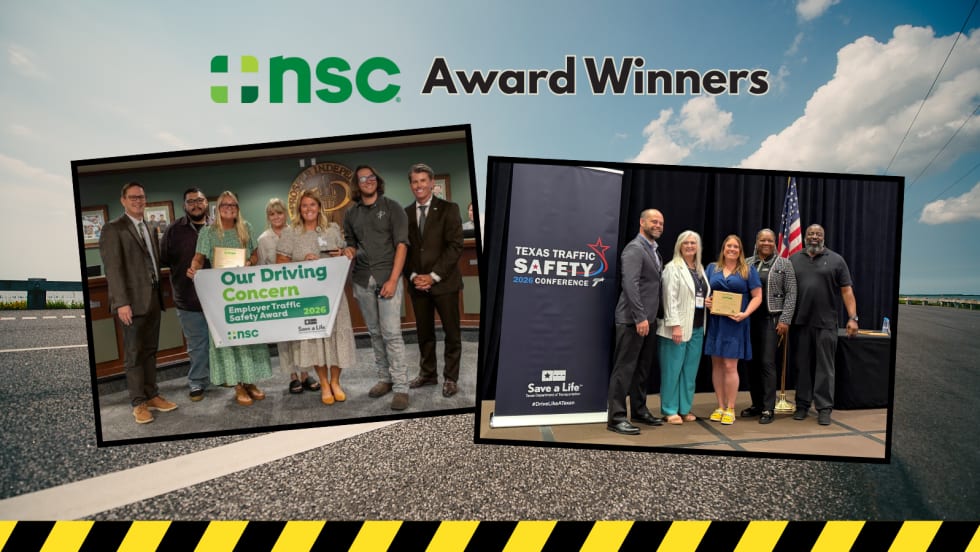
How Two Texas Districts Built Award-Winning Safety Programs
Learn how Prosper ISD and Rockwall ISD earned National Safety Council honors through hands-on training, safety culture, and strategies that reduced transportation incidents.
Read More →
NHTSA Releases 10-Year Review of Fatal School Bus Crashes
The latest federal analysis reinforces the safety of school buses while identifying where school-age pedestrians and other motorists remain most at risk.
Read More →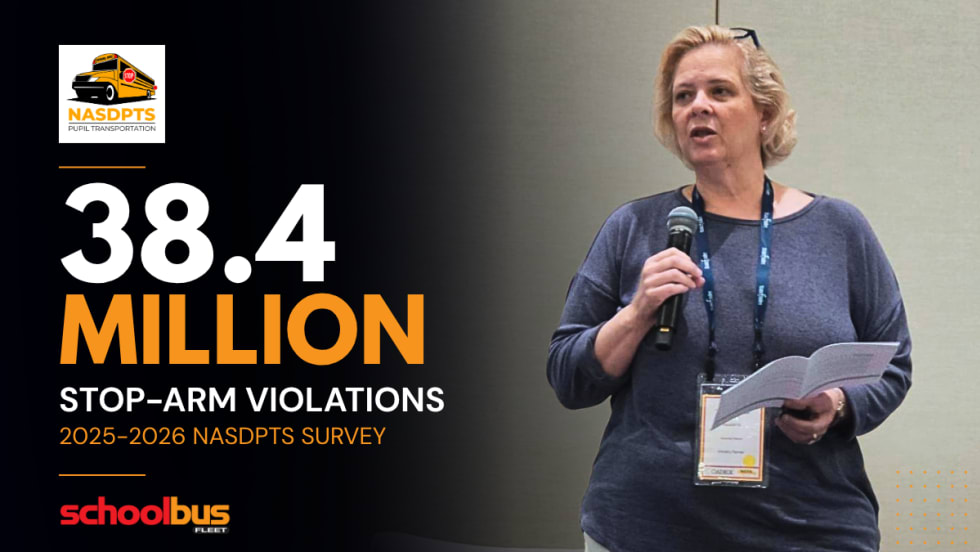
2026 NASDPTS Survey: Data Shows Further Reduction of Illegal Passing
New data is in! School bus stop-arm passings are down to 38.4 million violations per year, about a 2.3% decrease from last school year — but passings on the right side of the bus are higher than ever.
Read More →
Another School Bus Fatality Reported in Monsey, New York
A 7-year-old girl died after being struck by a school bus in Rockland County, New York while crossing the street. Here's what we know.
Read More →