




NAPT News & Views — Promoting, Protecting the School Bus Brand
We believe the best way to maintain excellence for our brand is for safety and other decisions to be made by local professionals based on their assessments of circumstances, resource realities, and best opportunities for benefits.

Mike Martin is executive director of NAPT.

Mike Martin is executive director of NAPT.
“Branding” is the marketing practice of creating a name, symbol, or design that identifies and differentiates a product.
According to Entrepreneur magazine, “Simply put, your brand is your promise to your customer. It tells them what they can expect from your products and services … derived from who you are, who you want to be and who people perceive you to be.”
NAPT and our partners in the American School Bus Council (ASBC) embrace the yellow school bus as the symbol of our brand. It conjures thoughts of safety and security as well as reliable access to education, all points we consistently emphasize in the public discourse, especially during budget deliberations.
With this in mind, on Feb. 19 nearly 500 students at Cosumnes River Elementary School in Sloughhouse, California, wore yellow Love the Bus T-shirts for our 2016 Love the Bus main event.
The students heard from U.S Environmental Protection Agency Region 9 Administrator Jared Blumenfeld, Congressman Ami Bera, and Elk Grove Unified School District Superintendent Chris Hoffman about the importance of being respectful to their bus drivers and appreciating the benefits of school buses. They each highlighted an important benefit of school buses, including safety, reduced traffic congestion, less energy use and air pollution, and assurance that all students have equitable access to educational programs.
This event is the cornerstone of ASBC’s Love the Bus month each February, but it is not the only thing we do to promote our brand. National School Bus Safety Week (NSBSW) is another prominent activity of ours. Last year we asked you to give us feedback on whether we should keep NSBSW in October, or move it to coincide with the back-to-school news cycle in August and September.
Based on your feedback, we’re keeping it in October. But we’ve decided to add a new branding opportunity the third week in August. Currently code-named 3W8, the event is going to be social media-based and easier for you to participate and reach a broader audience. Look for more information in coming months (and send us your thoughts).
We hope the goodwill we create with Love the Bus and NSBSW is not overshadowed by comments directly affecting our brand made by the administrator of the National Highway Traffic Safety Administration (NHTSA).
In a speech at the NAPT Summit last November, NHTSA Administrator Mark Rosekind announced he was changing the agency’s long-standing policy with regard to lap-shoulder belts in school buses, calling for universal installation and use of this equipment based on his belief that seat belts save lives in all vehicles. In a Feb. 17 follow-up letter to NAPT he said, “I made a clear and unambiguous statement that seat belts save lives, whether in cars or in school buses and that every child riding a school bus should have a three-point seat belt.” He added, “NHTSA will use all of the tools at our disposal to achieve that goal.”

We appreciate the long overdue recommendation, and urge our members to consider it. However, issues remain that, we believe, work against achieving NHTSA’s goal and have an adverse effect on our brand because they send confusing information to the public we serve.
In addition to several operational questions, there are two NHTSA documents that have the full force and effect of law — a 2011 final rule and a petition denial to groups requesting a mandate for seat belts in school buses — containing statements that conflict with the administrator’s new policy.
For example: “We [NHTSA] determined that it would be inappropriate for NHTSA to require seat belts given the low safety need for the belts, when such a decision has a direct bearing on the ability of the local decision-makers to allocate and spend limited pupil transportation resources on other school transportation safety needs that are likely to garner greater benefits, perhaps at lower cost.”
We urged NHTSA to amend or rescind conflicting statements, and address operational questions.
A recent article in Governing magazine, titled “Despite Lack of Seat Belts, School Bus Fatalities Are Rare,” may capture the current state of play: “Regardless of which set of numbers one parses, it’s clear that serious school bus crashes are very, very rare.”
According to the author, “Despite the drawbacks, NHTSA’s seat belt recommendation represents a possible turning point that’s likely to lead more state legislatures to take up the issue. Given the costs involved and needs in other areas, though, any widespread shift in policy will take time.”
Ultimately, states and school districts will weigh the evidence and decide. At a time when traffic fatalities nationally are spiking (by an average of 9.3%, according to NHTSA) after many decades of declining, we are proud that our safety performance remains constant and the best in the transportation sector.
We believe the best way to maintain excellence for our brand is for safety and other decisions to be made by local professionals based on their assessments of circumstances, resource realities, and best opportunities for benefits.
More Safety
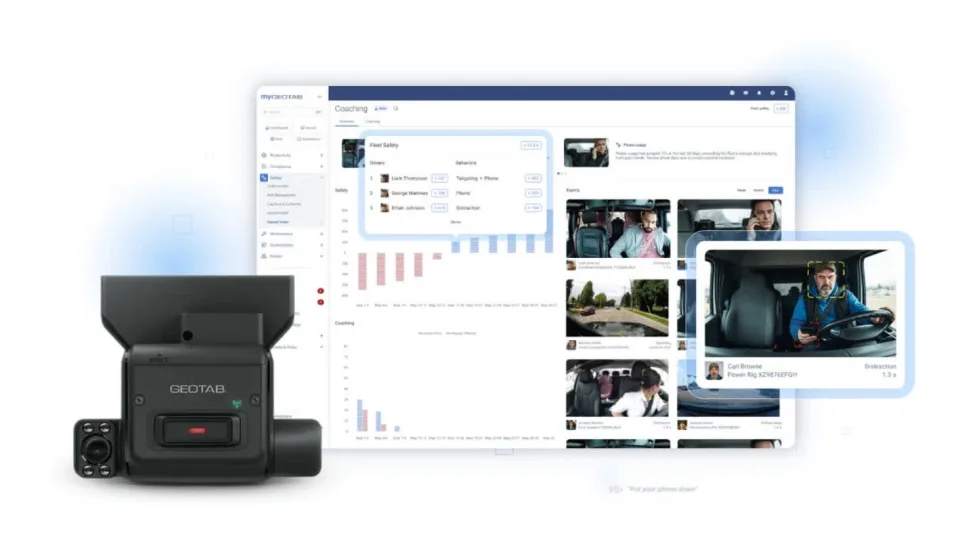
Geotab Expands Fleet Safety Tools With Video Coaching, Risk Insights
New safety and video capabilities aim to help fleet managers assess risk, support drivers, and take targeted action through video coaching, red-light violation detection, and more.
Read More →
How to Build a Better School Bus Driver Training Program
Is it time to strengthen your driver training? Here’s how to pick the right talent and improve recruitment, retention, and safety. This video is brought to you by IC Bus.
Read More →
Recent School Bus Accidents Leave 2 Dead, 2 Injured
Four school bus crashes in Florida, Illinois, and Georgia highlight risks in transportation lots, at bus stops, and during student loading and unloading.
Read More →

When Every Second Matters, Clarity Keeps Routes Moving
From routine delays to urgent incidents, strong communication practices help drivers, dispatchers, schools, and families respond with confidence.
Read More →
What Happens When a School Bus Catches Fire — and What Can Help
School bus fires are rare but can be devastating. Learn how advances in fire suppression and asset protection help fleets detect fires earlier, reduce damage, and improve safety.
Read More →
Geotab Launches Tool to Help Fleets Investigate Road Incidents
Geotab Investigations combines telematics data, video, documents, and other evidence to help fleets reconstruct incidents, resolve claims, and determine what happened.
Read More →
Texas Sixth Grader Wins 2026 National School Bus Safety Poster Contest
Sai Darshana Yekolu of Moseley Middle School in Prosper, Texas, was named the newest winner for her artwork, bringing the theme of “Safe Rides, Everyday Heroes” to life.
Read More →
Doing More With Less: How Transportation Directors Can Prioritize Safety Amid Budget Uncertainty
With diesel prices soaring and nearly one-third of transportation directors expecting budget cuts, maintaining student safety has never been more challenging. Download this guide to learn how leading districts are prioritizing risk, funding critical safety technology, and building stronger budget cases with data.
Read More →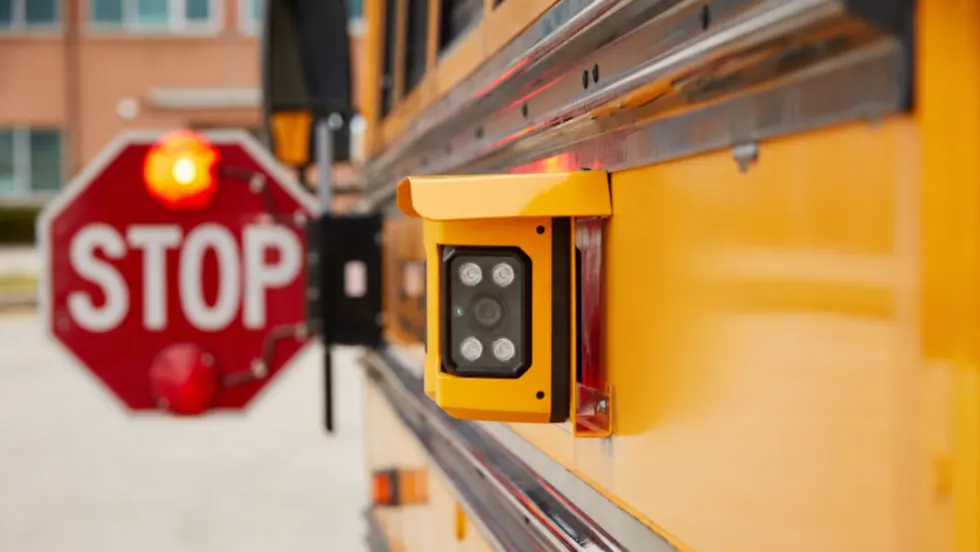
Walton County Schools Adds Gatekeeper Stop-Arm Enforcement System
The Florida district will deploy Gatekeeper’s updated Student Protector technology, which now incorporates AI to improve video evidence.
Read More →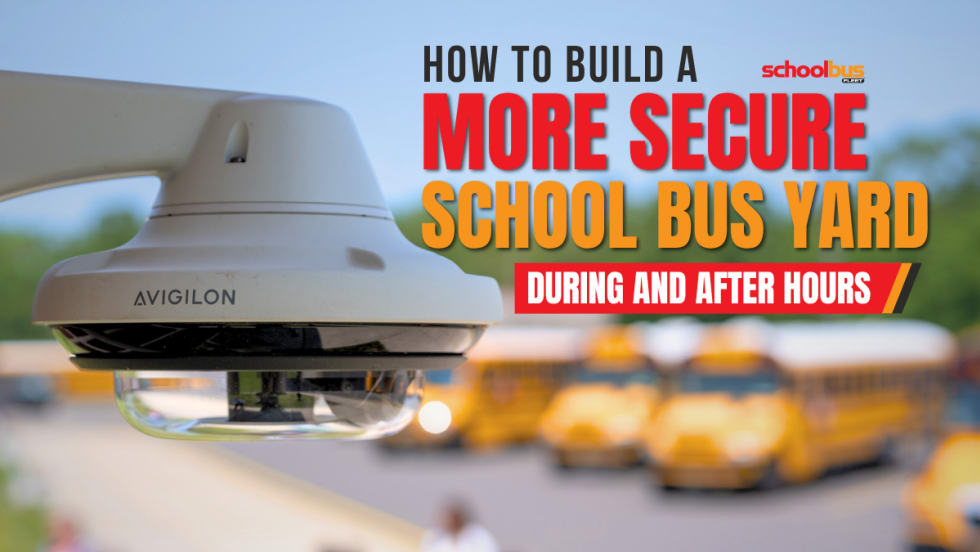
How To Build a More Secure School Bus Yard During and After Hours
As thefts and overnight security threats continue, school transportation leaders are combining stronger operational practices with AI-enabled surveillance to better protect buses, facilities, and staff.
Read More →