



NAPT News & Views — Bullying: committing to positive interventions
The association discusses steps that it has taken and continues to take to reduce the incidence of bullying on board school buses. These efforts include partnering with the U.S. Dept. of Education’s Office of Safe and Drug Free Schools to make available free professional training for the school bus industry to encourage positive interventions.
There’s a good reason for keeping the topic of bullying on the school bus industry radar screen — it’s a tough one that demands that we try our best to educate ourselves about how to recognize and deter it.
Before putting fingers to keyboard, I decided to ask friends and family to give me their thoughts about what could be done in a pupil transportation environment where we must deal with its consequences without the ability to influence the root causes.
Almost all reactions came down to this: We need to have more honest discussions about the genesis of vexing societal problems like bullying, but instead there is a tendency to put most emphasis on rationalizing inexcusable behavior or downplaying it because of political correctness.
One typical comment: “Sometimes horrendous behavior that shows up in a school bus is merely the natural extension of the bad culture, in particular homes with lousy parenting or whole neighborhoods that are dysfunctional. But nobody usually has the guts to take this on directly for fear of offending. So, the heart of the bullying problem never really gets addressed effectively.”
There’s a sentiment that we mostly talk around serious problems rather than confront them head on, and especially issues involving children. There are too many excuses and rationalizations. This leads to policies of containment and appeasement rather than lasting solutions.
With TV, radio and the Internet, there’s more news and it travels faster. Accordingly, there’s more exposure to what’s happening around us. Many take away from these media inputs evidence of a general lack of respect among some children, and some parents who are indifferent to bad behavior, or tacitly condone it by not cooperating when police and school officials try to take action.
One person summed it up this way: “Here’s a novel idea — when bullying occurs on a school bus, jump on it very aggressively, and prosecute if criminal. Period. We all know that schools and school bus operators don’t want bad press. But this stuff has to be nipped in the bud and a strong message sent to all children and parents — that this won’t be tolerated. Or, you’ll just encourage more of it.”
More broadly, our culture needs more emphasis on civility. Manners and respect for others — especially others who may speak, look or believe differently — must be taught at home and reinforced in religious settings, sports, news and entertainment outlets, schools, government programs and other traditional societal influencers.
For its part, NAPT committed to a leadership role, beginning last year at its annual conference when, as a first step, it held an emotionally charged town hall meeting on bullying and how to prevent it.
In a June 15 national news release, NAPT and the U.S. Dept. of Education’s Office of Safe and Drug Free Schools (OSDFS) took a collaborative next step, announcing the availability of free professional training for the school bus industry to encourage positive interventions.
NAPT President and professional educator Dr. Linda F. Bluth underscored NAPT’s resolve and commitment: “School bus transportation is critical to learning by providing reliable and safe transportation. We want to emphasize [that] what happens inside the bus should not stay inside the bus if it includes behavior that harms children and affects their school day negatively.
“School officials, bus operators and parents in every community must understand that bullying can involve serious psychological and physical harm. All must work diligently to create effective deterrents and responses,” Bluth said.
Fortunately, NAPT had a powerful partner in the process. OSDFS Assistant Deputy Secretary Kevin Jennings, a participant at the town hall meeting, was moved by the experience and expressed an interest in working with NAPT to shape a school bus industry response. With the assistance of NAPT Executive Director Mike Martin, he arranged and led a June 8 conference in Washington, D.C., to preview training modules his office developed, with input from NAPT members. The program is titled “Creating a Safe and Respectful Environment on Our Nation’s Buses.”
Twenty-seven school transportation professionals from across the nation and representatives of the Safe and Supportive Schools Technical Center helped create the curriculum.
Included are two PowerPoint modules complete with trainer’s guide, posters and other reference components. The two modules are “See Something. Do Something: Intervening in Bullying Behavior” and “Creating a Supportive Bus Climate: Preventing Bullying.”
By now, many school districts are using this important training. All should make it a priority. For copies, visit www.naptonline.org.
This probably won’t be the last column about bullying, but only because we want to reinforce that NAPT understands that it’s a problem requiring ongoing attention. We owe our customers — the children transported every day — our best efforts and commitment to promoting civility and respect aboard the yellow school bus.
Barry McCahill is communications consultant for NAPT.
More Safety
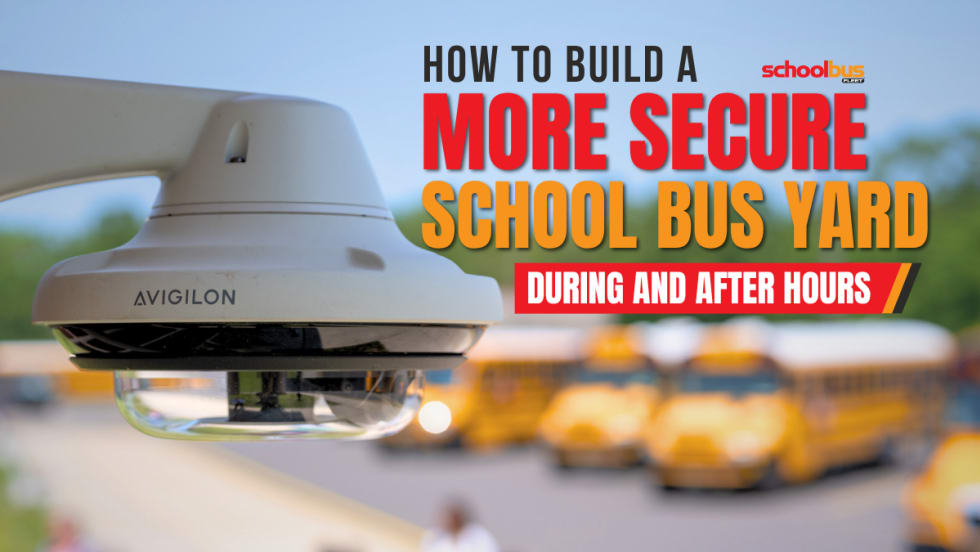
How To Build a More Secure School Bus Yard During and After Hours
As thefts and overnight security threats continue, school transportation leaders are combining stronger operational practices with AI-enabled surveillance to better protect buses, facilities, and staff.
Read More →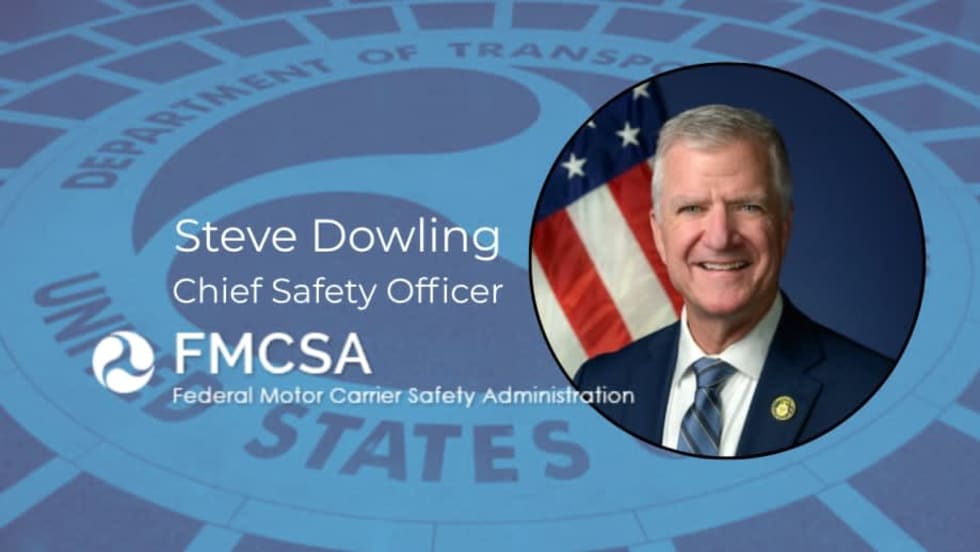
FMCSA Names New Chief Safety Officer: What School Bus Operators Should Know
Steve Dowling is set to lead the federal agency's efforts to advance commercial motor vehicle safety and reduce crashes, fatalities, and injuries on the nation's roadways.
Read More →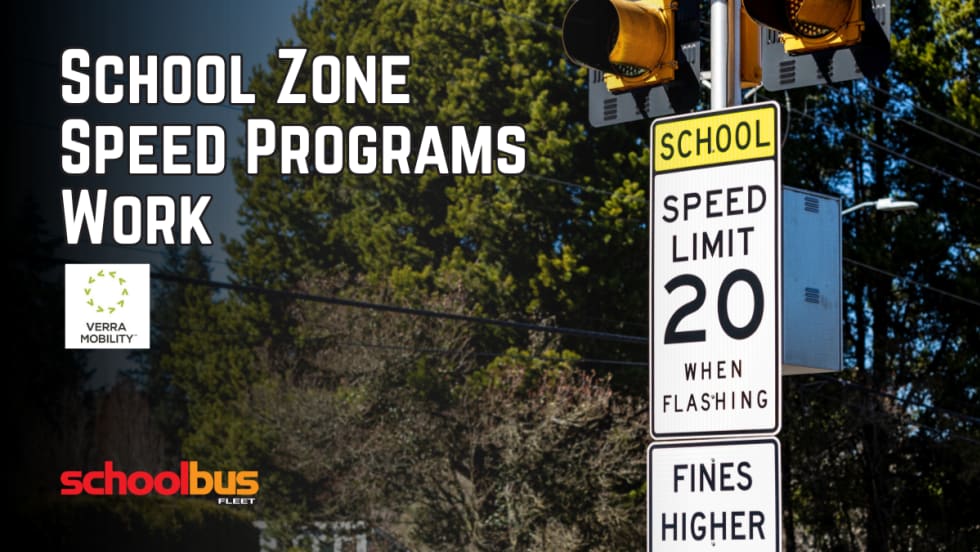
New Study Finds School Zone Speed Safety Cameras Cut Speeding Violations 97%
A Florida university's research demonstrates that Verra Mobility's automated enforcement changes driver behavior and significantly improves school zone safety.
Read More →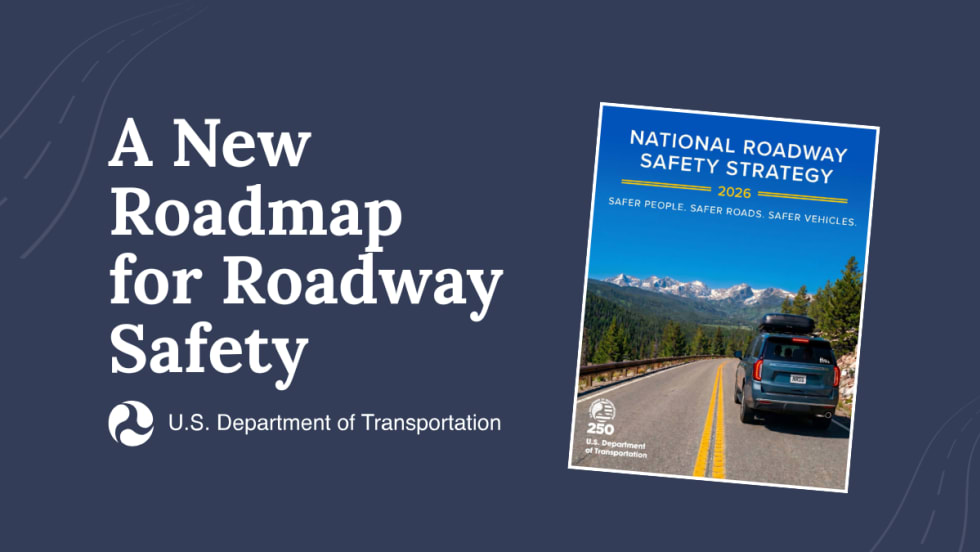
What Changed in DOT’s New National Roadway Safety Strategy?
The federal agency's new plan shifts its focus to safer people, roads and vehicles, with a new three-pronged approach instead of five. One outlined action even addresses a key industry concern around illegal school bus passing.
Read More →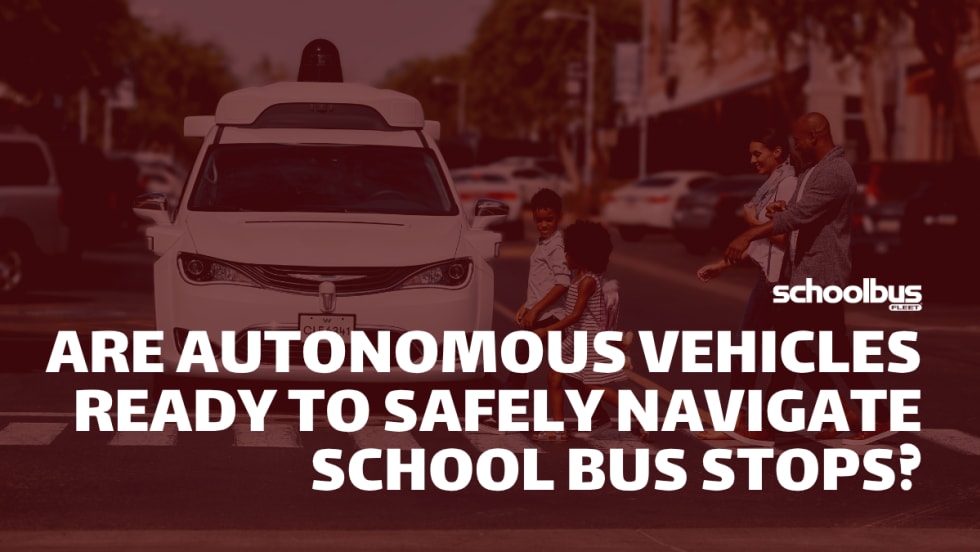
Are Autonomous Vehicles Ready to Safely Navigate School Bus Stops?
NHTSA is accelerating autonomous vehicle deployment through new safety standards and commercial approvals. See why school transportation leaders are watching.
Read More →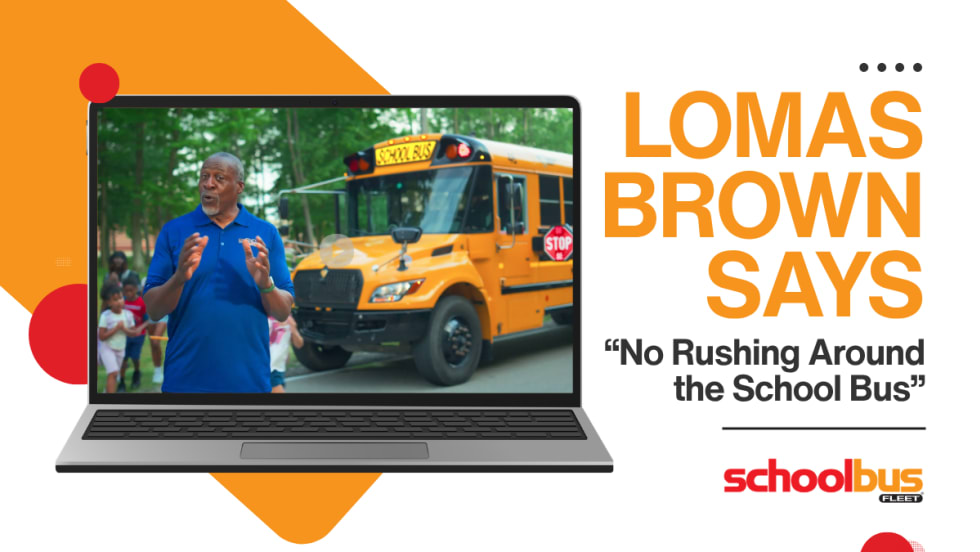
NFL Star Lomas Brown Kicks Off New Illegal School Bus Passing PSA
Just in time for the back-to-school season, the former Detroit Lions offensive tackle took time to record a video encouraging motorists to slow down around school buses.
Read More →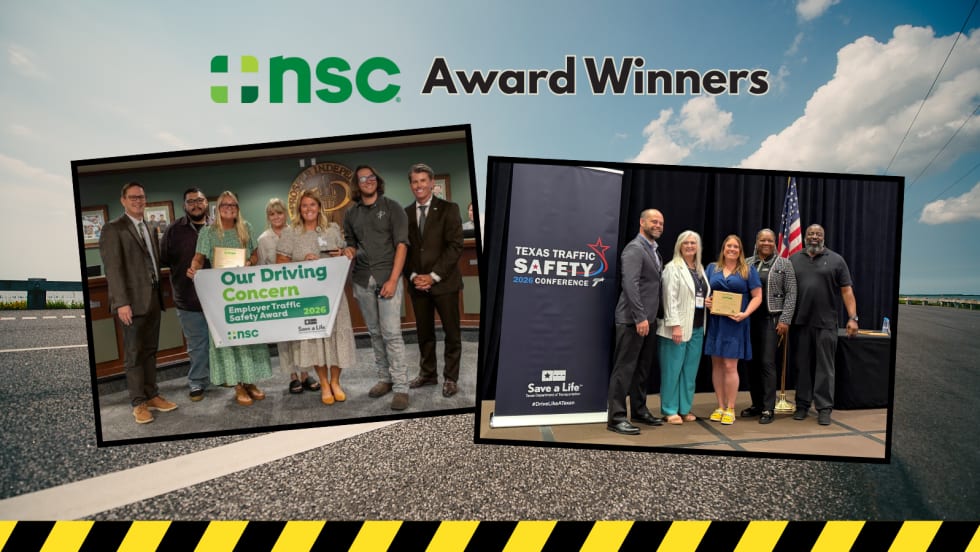
How Two Texas Districts Built Award-Winning Safety Programs
Learn how Prosper ISD and Rockwall ISD earned National Safety Council honors through hands-on training, safety culture, and strategies that reduced transportation incidents.
Read More →
NHTSA Releases 10-Year Review of Fatal School Bus Crashes
The latest federal analysis reinforces the safety of school buses while identifying where school-age pedestrians and other motorists remain most at risk.
Read More →
2026 NASDPTS Survey: Data Shows Further Reduction of Illegal Passing
New data is in! School bus stop-arm passings are down to 38.4 million violations per year, about a 2.3% decrease from last school year — but passings on the right side of the bus are higher than ever.
Read More →
Another School Bus Fatality Reported in Monsey, New York
A 7-year-old girl died after being struck by a school bus in Rockland County, New York while crossing the street. Here's what we know.
Read More →