




Mechanical aptitude and proper attitude
How little the general public knows about the tremendous effort that’s made each school day to get 24 million children to school and home. If they kne...
How little the general public knows about the tremendous effort that’s made each school day to get 24 million children to school and home. If they knew how much teamwork, coordination and planning (and sweat and elbow grease) are necessary to keep the nation’s fleet of 450,000 buses in good working order, they would be amazed!
We often talk about the tremendous efforts of school bus drivers — heightened recently by the tragic slaying of the driver in Tennessee — but we often forget to applaud the efforts of the shop staff. Working behind the scenes, mechanics and their supervisors rarely get served with the recognition they so richly deserve.
Fully deserved recognition
That’s why we continue our efforts to feature some of these fine people in this issue. Our “Top 10 Maintenance Programs” article has become an annual showcase for exemplary school bus shops around the nation. Please take a few minutes to read this special section. And don’t forget to look closely at the photos, most of which feature a proud staff of maintenance employees.
In this issue, we also feature our annual maintenance survey. This year’s research presents numerous interesting findings. Among them, the fact that fewer than a third of school bus fleets have a formal maintenance training program is surprising, but not necessarily dismaying.
As I’ve said before, we should provide as much training as we can to all school transportation employees. Whether it’s a formal program or something less structured doesn’t matter so much as long as it addresses all gaps in the education of your employees.
In this year’s survey we asked you about the greatest challenges you face in the shop and here are some of your answers:
“Electronics, computerization”
“All the new technology”
“Electronic engines”
“New electronics”
“Lack of computerized engine knowledge”
See a thread here? I obviously pulled comments on the same topic. However, there’s a concern here. If this industry isn’t supplying its mechanics with the training they need to maintain electronic engines, transmissions, antilock braking systems and multiplexing, they’re going to struggle in the years ahead.
Training can’t be ignored
What we need to do is take advantage of all training opportunities that are out there. Some community colleges offer classes in diesel engine technology and antilock braking systems. As much as possible, mechanics should be encouraged to take these courses. If you can cover the cost of the course, even better.Also, don’t be afraid to check with your bus dealers. Whether it’s a half-day seminar on a chassis or engine topic or a two-hour in-service on maintaining a wheelchair lift, vendor training can be invaluable. Check with other local school bus operators to see if you can coordinate a joint training session.
Attending state and national pupil transportation conferences is also a big help. Most of them have trade shows that encourage an exchange of information between customer and vendor. Fight to go to these shows, especially the National Association for Pupil Transportation’s annual conference and trade show in November.
More Maintenance

Easy Ways to Reduce School Bus Emissions: Q&A with John Gonzales
Learn how preventive maintenance, driver training, reduced idling, smarter routing, and the right fuel choices can help districts reduce emissions — without investing in new buses.
Read More →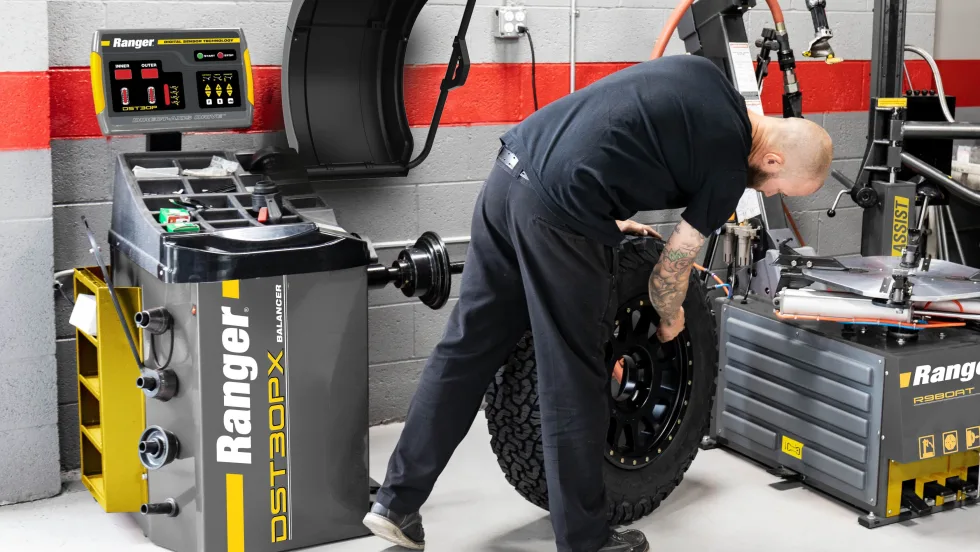
BendPak Launches Ranger DST30PX Wheel Balancer
BendPak's new wheel balancer handles tires up to 43 inches in diameter, with a reinforced design, precise weight placement, and faster service cycles.
Read More →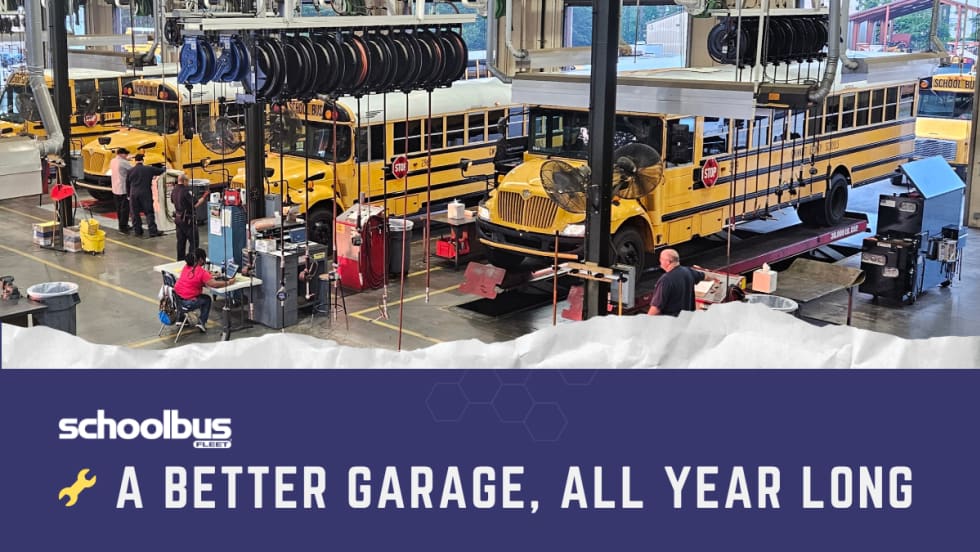
Tips for Ensuring School Bus Garages Are Safe and Warm Year-Round
Cold maintenance bays and rising heating costs? Learn how school bus garages can improve comfort with targeted heating, better airflow, and winter preparation.
Read More →
ASE Highlights School Bus Technician Certification Requirements
ASE is encouraging school bus maintenance professionals to maintain their certifications, highlighting seven specialized tests and five-year renewal requirements.
Read More →
International Adds E-Commerce Capabilities to Fleetrite.com
IC Bus customers can now browse, buy, and track shipments for more than 400,000 aftermarket parts online.
Read More →
The Most Expensive Thing You Do Before Selling a School Bus: Wait
When should you sell an aging school bus? Learn how maintenance, mileage, corrosion, specifications, and timing can affect resale value long before the auction.
Read More →
The Evolution of DEF Header Technology: What School Bus Operations Should Know at Replacement Time
See what school bus fleets should consider when replacing DEF headers to improve reliability, reduce repeat repairs, and control maintenance costs.
Read More →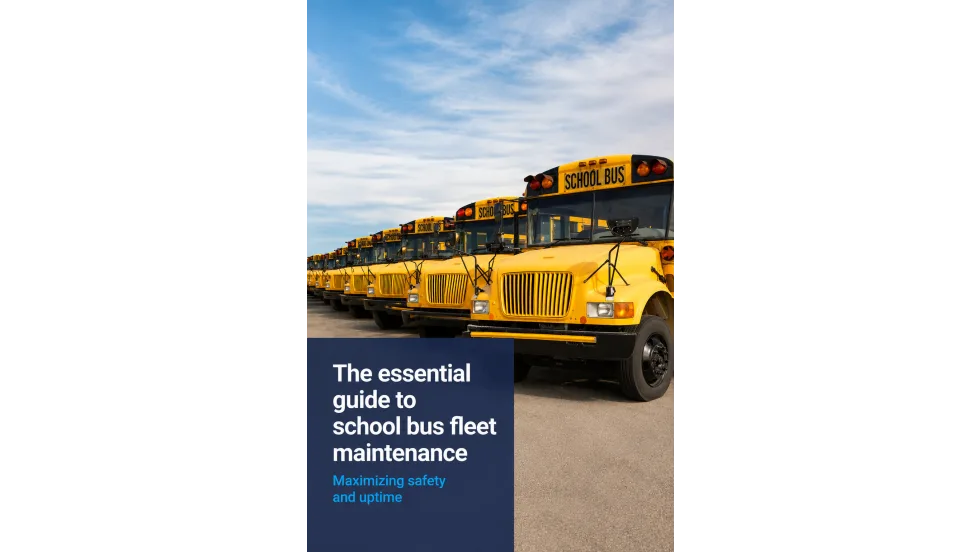
The Essential Guide to School Bus Maintenance and Student Safety
Your district's buses carry students to school every day. This guide shows how predictive maintenance powered by fleet data helps keep buses reliable, drivers accountable and students safer from the first bell to the last stop.
Read More →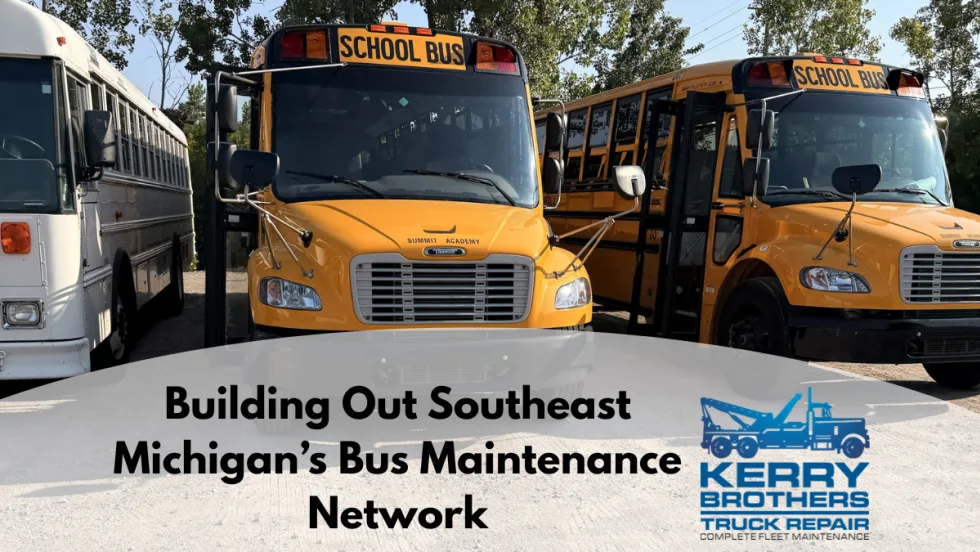
Kerry Brothers Grows Michigan School Bus Repair Network
The acquisition of Downriver Truck and Bus expands Kerry Brothers’ school bus maintenance footprint across southeast Michigan, adding repair capacity, diagnostic resources, and state inspection support.
Read More →
Noregon Introduces CAN Bus Diagnostic Tool, Expands JPRO Features
CAN Mentor and the latest JPRO update aim to simplify vehicle network diagnostics and improve repair efficiency for technicians of all experience levels.
Read More →