




Maximizing School Bus Usage, Even During Closures
Expanding Wi-Fi access and delivering meals are valuable ways to keep buses running as many districts stick to virtual learning during the COVID-19 pandemic.
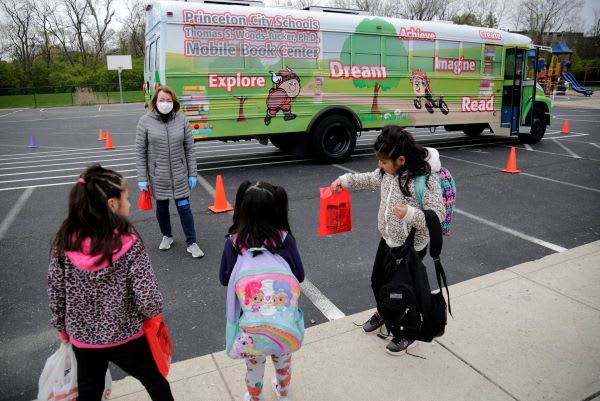
Wi-Fi-enabled school buses have helped keep the digital divide from growing by giving more students digital access to complete their schoolwork as their schools are only open for virtual learning. Shown here is a Kajeet SmartBus at Princeton City School District in Cincinnati, Ohio.
Photo courtesy Kajeet
Many schools across the country have planned to reopen this fall, although as widely reported, approaches vary considerably by district. While some schools have made definitive plans to hold lessons on their physical campuses, many are still opting for virtual instruction for some or all their students.
The one certainty in school reopening plans is that everything is in flux, contingent on multiple variables, and subject to change. Virtual instruction seems to be the safest bet and one that is figuring prominently in many schools’ plans. So, where does that leave school buses?
As schools scale back on in-person attendance to enable better adherence to social distancing guidelines, school buses may return to their places in the school parking lot, where many have been languishing for months. Some districts, however, are creatively transforming their school bus usage. Their methods may hold valuable lessons for other districts and help to return thousands of furloughed bus drivers to work.
Expanding Wi-Fi Access
While viewed as an iconic representation of the movement of students to and from campus, school buses have recently seen their uses expand.
Wi-Fi-enabled school buses have helped keep the digital divide from growing by giving more students the digital access they needed to complete their schoolwork. Their impact has also trickled into the wider community, whose members have also been able to take advantage of the communal Wi-Fi to remain connected to the digital world during the lockdown.
Many schools have repurposed their school buses by equipping them with Wi-Fi capabilities and using them as hotspots for larger groups of students and the wider community. When schools initially transitioned to distance learning, the demand for hotspots outpaced the available supply in the market. Kajeet, a wireless provider band for school districts, saw a spike in demand for its Wi-Fi-enabled SmartBus solution, which is now used in over 400 school bus fleets. School bus Wi-Fi became a viable way of providing connectivity to dozens of students at a time through school buses parked on campus or placed strategically throughout the district.
As reopening plans remain in flux, schools should consider equipping their buses with Wi-Fi, even as a contingency plan against the possibility of full-on remote learning. When school buses return to primarily being used for student transportation, school bus Wi-Fi will help students carry on with homework on the ride home. It has also been shown to reduce incidents of misbehavior on the bus and improve driver retention. School bus Wi-Fi enables a seamless ecosystem for digital assets while gearing schools up for faster integration of other technologies.
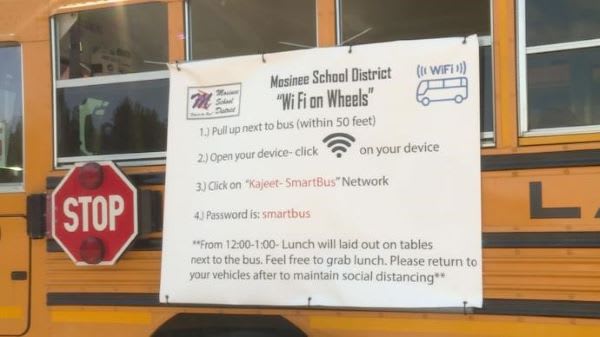
When schools initially transitioned to distance learning, the demand for hotspots outpaced the available supply in the market.
Photo courtesy Kajeet
Meeting Community Needs
Another practical use for school buses is in handing out meals. No Kid Hungry cites United States Department of Agriculture data showing that more than 11 million children in the U.S. live in “food insecure” homes. According to a 2019 report prepared for Congress, over 30 million children depend on the National School Lunch Program, more than 14.7 million children depend on the School Breakfast Program, and over 6.1 million children are served by the Child and Adult Care Food Program. These numbers illustrate the staggering number of kids deprived of basic needs and affected by school closures beyond education.
Although some schools have remained open to hand out meals to students in the parking lot, others took a more proactive approach — using school buses to deliver lunches to students at home. A National Public Radio story covered a school in central Minnesota that delivered about 1,500 meals a day to students, helping not just to give students a sense of routine and preserve the jobs of bus drivers and teachers’ aides, but to ensure food security at a time when basic needs were at risk.
Another creative use of school buses is as COVID-19 testing labs. Perkins and Will, an architecture firm in New York City, has drawn up a plan to turn buses into mobile COVID-19 testing labs. This unique use case also opens the possibility for school buses to be used to deliver COVID-19 vaccinations. While this use case is not directly applicable to education, it does hold the potential for schools to continue to be anchors in providing much-needed services to the community.

Michael Flood is the senior vice president of strategy at Kajeet.
Navigating Uncertainty
Combining use cases for school buses is indeed a possibility and may be essential under current reopening scenarios. Schools may have to pivot depending on the prevailing public health conditions, tolerance of parents and educators for face-to-face instruction, and digital access needs of their student populations, adjusting their transportation plans and integrating transportation more systematically into all aspects of their reopening plans.
Schools can allocate time for picking and dropping off students at the beginning and end of the day, extending the window depending on how many trips are necessary to maintain social distancing on board the school bus. In the afternoons, the drivers could take some buses on lunch delivery routes, while taking other buses to select locations to support those students that need reliable internet access to learn remotely. This multi-pronged approach aligns a school’s educational needs with its transportation capabilities, giving schools more bang for their buck and keeping more drivers employed.
Numerous possibilities exist for using school buses beyond transporting students to and from campus. School districts can tap into the potential of their bus fleet by thinking outside the box and leveraging partnerships to put their school buses — and bus drivers — to creative use, both in fulfilling schools’ transportation needs and helping families and communities through this public health crisis.
Michael Flood, the senior vice president of strategy at Kajeet, is an active force in the education technology community, with 10 years of dedication to ensuring students have equal access to technology.
More Management
How to Build a Better Driver Training Program
Ready to boost up your school bus instructor training? Here’s how to pick the right talent and improve recruitment, retention, and safety.
Read More →
CALSTART and Forth Combine to Form Catalyst Mobility
The new name represents a renewed vision for the nonprofit focused on advancing clean, equitable, and affordable transportation solutions that move people and goods.
Read More →
What Makes a Great School Bus Driver Trainer?
Choosing the right school bus driver trainer takes more than experience. Learn six keys to selecting and developing trainers and evaluating program effectiveness.
Read More →


School Bus Contractors Expand Through New Deals, Acquisitions & Partnerships
STA's Canadian division acquires Ontario-based G&L Stevenson Transport while Durham School Services adds a new district contract in California, First Student adds a New Jersey contract, and Minnesota Coaches acquires Halo Transportation.
Read More →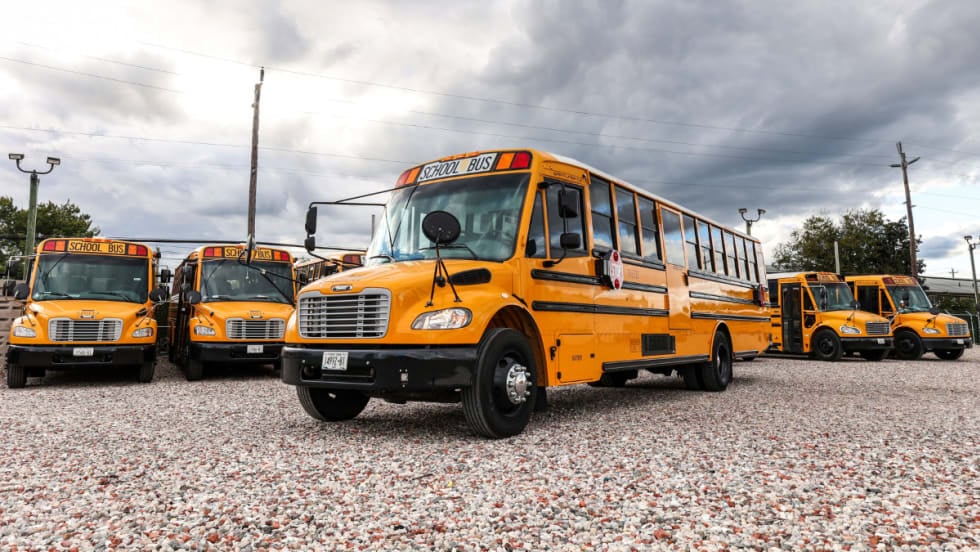
Logan Bus Company Rolls Out AI Phone System for NYC School Bus Families
A summer pilot found that AI agents could handle most routine calls, freeing up time for customer service staff to focus on emergencies and complex family concerns.
Read More →
From Intent to Impact: What I Learned About Leadership from TAPT
A Texas transportation supervisor shares lessons on self-awareness, accountability, managing stress and building trust — and why investing in leadership development matters at every stage of your career.
Read More →
NAPT Names 2026 Award Recipients, Hall of Fame Inductee
Who earned national recognition for their work in student transportation? This year, NAPT named five recipients of its 2026 awards for service, safety, and leadership, plus its newest Hall of Famer.
Read More →
2026 State of Student Transportation Report
Driver shortages. Rising costs. Growing safety expectations. More data, but not enough time to act on it. The 2026 State of Student Transportation Report reveals what transportation leaders say is putting the most pressure on their operations—and where they’re investing next. See how your priorities compare.
Read More →
How to De-Escalate an Angry Person: 5 Steps for Handling Workplace Conflict
What makes emotions run high, and how should you handle an angry colleague or parent? Follow these steps for staying calm, listening, showing empathy, and resolving conflict.
Read More →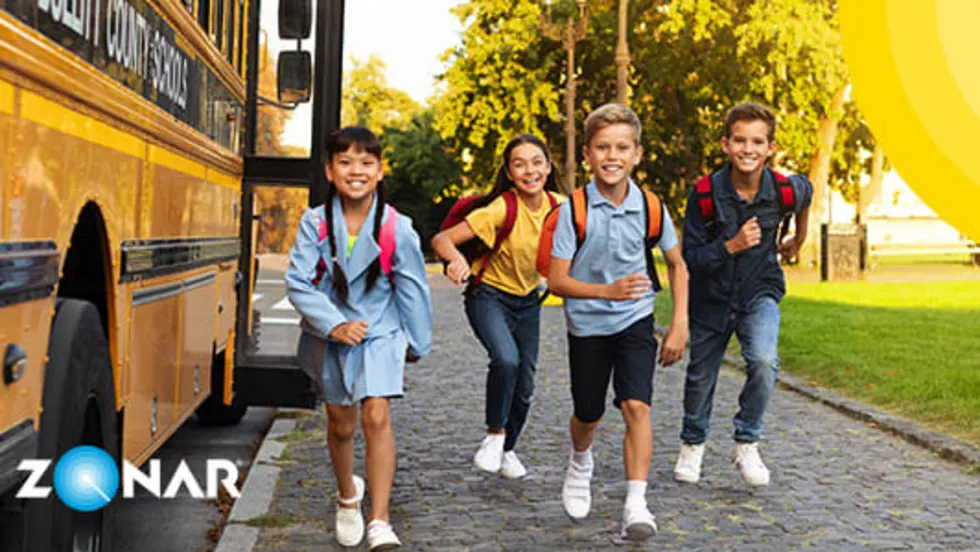
What Readiness Looks Like This School Year
Learn about the challenges shaping the 2026–2027 school year, from persistent driver shortages and budget pressure to technology and readiness gaps. See how school districts are responding and adapting in Zonar’s 2026 Back-to-School Readiness Report.
Read More →