




Making a Difference: The Bus Industry Combats Human Trafficking
Human trafficking — or modern-day slavery — is the exploitation of human beings through force, fraud, or coercion for the purposes of commercial sex or forced labor.
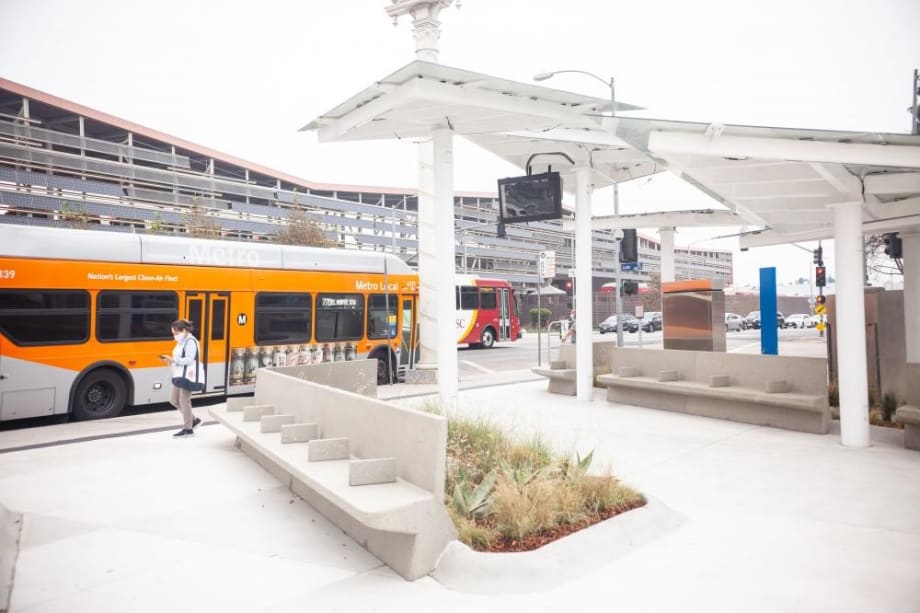
In example after example, throughout the U.S., members of the bus industry are making a difference in the lives of victims of human trafficking and helping law enforcement investigate and prosecute traffickers.
LA Metro
At a transit center in Washington, a customer service representative helped a young woman get a ride to a safe place after she had been brutally beaten, raped, and robbed, allegedly as punishment for refusing to be prostituted. On an intercity bus in Ohio, the driver alerted law enforcement after a young woman told him that she was being held against her will and forced into prostitution by a male passenger on the same bus. At a bus station in Texas, employees helped a young man call the National Human Trafficking Hotline after he told them he’d been abandoned by the head of a traveling construction crew who had confiscated his identification documents, stole his belongings, refused to tell him where he was, and denied him pay. At a transit center in California, security guards reported suspicions about a man they’d observed making unwelcomed advances on young women to their local human trafficking task force, which launched an investigation that culminated in the arrest of the man at a motel where he and an accomplice were holding a young woman against her will.
Human trafficking — or modern-day slavery — is the exploitation of human beings through force, fraud, or coercion for the purposes of commercial sex or forced labor. There are an estimated 40 million victims of human trafficking worldwide including thousands of girls, boys, women, and men in the U.S.
In example after example, throughout the U.S., members of the bus industry are making a difference in the lives of victims of human trafficking and helping law enforcement investigate and prosecute traffickers. The heroism displayed by these bus drivers and station employees is rarely the type that makes for splashy headlines, but rather the kind that comes from being observant, showing care for those in need, being willing to get involved, and understanding what to look for and how to report it effectively.
Traffickers prey upon vulnerabilities and, in many ways, it’s because of the critical service that buses provide vulnerable populations along America’s roadways and in American communities that make the bus industry so important in this fight. Traffickers, looking for disaffected youth or people who may be down on their luck, go to bus stops and bus stations in search of prospective victims. As a low cost, relatively anonymous form of transportation, traffickers use buses in transporting their victims, either following an initial online recruitment — when they are using a bus to bring their victims to them — or using a bus during the exploitation phase to take their victims to and from places where they will be sold. In a study released by Polaris, who runs the National Human Trafficking Hotline, 42% of survivors stated that they or their traffickers utilized local or long distance buses in the facilitation of their exploitation.
Buses can also be a lifeline for victims of human trafficking. As traffickers often control their victims’ identification documents, money, communication, and access to information, victims have few avenues to exit their situation. Consequently, when victims are able to get out, a transit center or bus station may be the first place they’ll go to find safety or escape. In the Polaris study, 26% of survivors said that public or mass transportation played a role in at least one of their exit attempts.

There are an estimated 40 million victims of human trafficking worldwide including thousands of girls, boys, women, and men in the U.S.
BOTL
Making a Difference
Recognizing these realities, Busing on the Lookout (BOTL), a program of the non-profit organization Truckers Against Trafficking, partners with private bus companies, public transit providers, state agencies, municipalities, school districts, and others to educate and equip members of the bus industry to combat human trafficking as part of their everyday jobs. BOTL operates on the belief that by empowering frontline bus industry employees with information about human trafficking, bus drivers, terminal workers, maintenance staff, ticket counter personnel, security guards, janitorial staff, etc., can play an integral role in helping to recover victims and bring traffickers to justice.
There are several steps that bus industry leaders, state agencies and the federal government can take to support this important work. BOTL recommends the following:
Bus Industry
Train all employees on human trafficking with BOTL’s industry-specific resources that can be accessed for free at https://truckersagainsttrafficking.org/bus-training/.
Establish an internal reporting policy for when trafficking is suspected.
Launch a victim-centered awareness campaign to reach victims with lifesaving information.
State Agencies
Train all department of transportation employees and motor vehicle enforcement and/or law enforcement officers on human trafficking.
Share information about BOTL’s free training resources with bus companies, transit agencies and school districts.
Incorporate BOTL’s training into curriculum used for school bus driver certification or Commercial Driver’s License (CDL) schools.
Federal Government
The U.S. Department of Transportation (USDOT) should expand upon its grant programs that provide federal funding to state and local transportation-focused anti-trafficking initiatives, including those for public transportation providers to conduct training and public awareness.
Congress should appropriate federal funding to the USDOT for direct training and grant programs that support and facilitate the implementation of transportation-focused anti-trafficking initiatives.
Congress should increase funding for the National Human Trafficking Hotline to increase its capacity to respond timely and effectively to the calls they receive 24/7 from throughout the U.S.
For more information on BOTL and its free anti-trafficking training resources for the bus industry, please visit https://truckersagainsttrafficking.or/bus-training/ or contact tat.truckers@gmail.com.
Annie Sovcik is Director of Busing on the Lookout and Truckers Against Trafficking (this story originally ran in January 2021)
Originally posted on Metro
More Management
How to Build a Better Driver Training Program
Ready to boost up your school bus instructor training? Here’s how to pick the right talent and improve recruitment, retention, and safety.
Read More →
CALSTART and Forth Combine to Form Catalyst Mobility
The new name represents a renewed vision for the nonprofit focused on advancing clean, equitable, and affordable transportation solutions that move people and goods.
Read More →
What Makes a Great School Bus Driver Trainer?
Choosing the right school bus driver trainer takes more than experience. Learn six keys to selecting and developing trainers and evaluating program effectiveness.
Read More →


School Bus Contractors Expand Through New Deals, Acquisitions & Partnerships
STA's Canadian division acquires Ontario-based G&L Stevenson Transport while Durham School Services adds a new district contract in California, First Student adds a New Jersey contract, and Minnesota Coaches acquires Halo Transportation.
Read More →
Logan Bus Company Rolls Out AI Phone System for NYC School Bus Families
A summer pilot found that AI agents could handle most routine calls, freeing up time for customer service staff to focus on emergencies and complex family concerns.
Read More →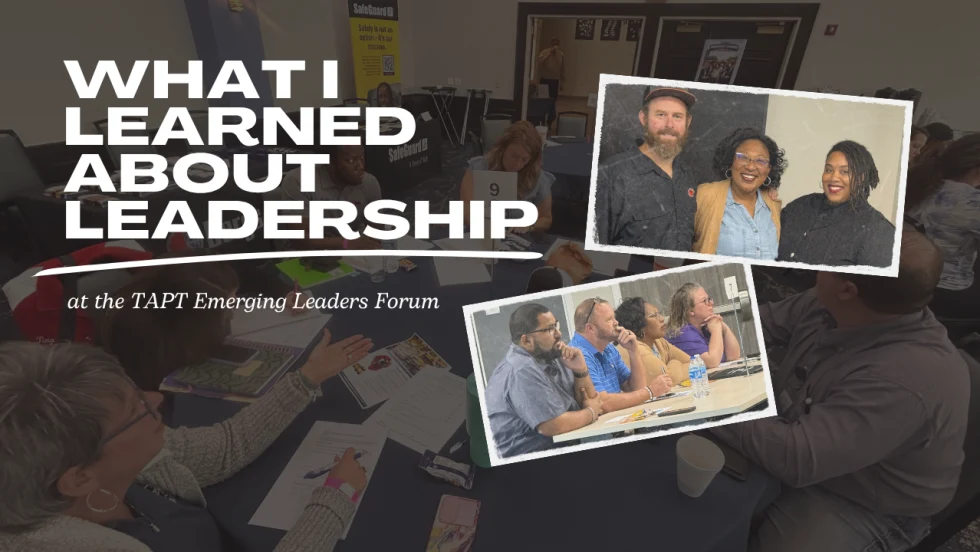
From Intent to Impact: What I Learned About Leadership from TAPT
A Texas transportation supervisor shares lessons on self-awareness, accountability, managing stress and building trust — and why investing in leadership development matters at every stage of your career.
Read More →
NAPT Names 2026 Award Recipients, Hall of Fame Inductee
Who earned national recognition for their work in student transportation? This year, NAPT named five recipients of its 2026 awards for service, safety, and leadership, plus its newest Hall of Famer.
Read More →
2026 State of Student Transportation Report
Driver shortages. Rising costs. Growing safety expectations. More data, but not enough time to act on it. The 2026 State of Student Transportation Report reveals what transportation leaders say is putting the most pressure on their operations—and where they’re investing next. See how your priorities compare.
Read More →
How to De-Escalate an Angry Person: 5 Steps for Handling Workplace Conflict
What makes emotions run high, and how should you handle an angry colleague or parent? Follow these steps for staying calm, listening, showing empathy, and resolving conflict.
Read More →
What Readiness Looks Like This School Year
Learn about the challenges shaping the 2026–2027 school year, from persistent driver shortages and budget pressure to technology and readiness gaps. See how school districts are responding and adapting in Zonar’s 2026 Back-to-School Readiness Report.
Read More →