




Littleton brings terror right to your service door
We try to make sense of the tragedy, we seek to lay blame and we pray that it doesn’t happen here. We need to do more.
In Littleton, Colo., we saw ourselves. We saw the darkest side of human nature flare in harsh muzzleflash, and we recognized that we are not beyond its reach. The horror that was there, is here. This outburst of senseless violence, so vividly captured and endlessly reported by the news media, puts terrifying possibilities at our doorstep, into our school buses. Now that we have put some chronological — if not emotional — distance between ourselves and the assault at Columbine High School, we search for ways to respond. We try to make sense of the tragedy, we seek to lay blame and we pray that it doesn’t happen here. We need to do more.
Expand your community
School bus operators need to close the gap between the classroom and the school bus. It’s important that the transportation department increase its involvement with principals, teachers, administrators, school psychologists and parents. The goal is to share information and experience. As a school transportation professional, you have insights that they could never fathom on their own. They need to know what you know and vice versa. Too often, transportation managers rely on their supervisors — often an assistant superintendent — to be the department’s liaison with the administrative and academic community. Certainly, transportation directors face multiple time constraints and unending stress, but they can contribute, and absorb, so much useful information that it’s worth the extra time and effort to attend meetings outside the bus compound. Drivers need to do their part, too. They hear things that teachers and counselors might not. They probably know more about a student’s home life and family relationships than the child’s teacher. That information has value and should not be ignored. In the aftermath of Littleton, some school districts have overreacted to student pranks involving toy guns, manners of dress and threats of violence. Drivers should warn students that any behavior suggesting violence against people or property will not be tolerated. Drivers also need to be particularly sensitive to bullying. Often it’s the student who’s been insulted and intimidated on a regular basis who strikes back.
Dedicated drivers needed
The need for dedicated, committed drivers is greater than ever. The driver shortage notwithstanding, transportation managers should resolve to recruit drivers who enjoy being with children. These are the drivers who will take an interest in their passengers’ lives and, perhaps, identify a potential crisis before it spins out of control. Drivers who sit silently and sullenly behind the wheel, annoyed and frustrated by every element of the driving experience, are less likely to spot trouble in the making. If you haven’t done this already, contact your local law enforcement agency and ask for a representative to help train your staff — including drivers, dispatchers, route supervisors and mechanics (many of whom are substitute drivers) — for potentially violent situations, especially those involving guns. In our February 1999 issue, we published a feature article called “How to Survive a Hostage Situation on Your School Bus.” Author Tim Parker, assistant transportation director at Fairfax County (Va.) Public Schools, provided excellent information on how to prepare for terrorism, which, as he points out, will more likely be perpetrated by a disturbed student or disgruntled employee rather than, say, an anti-government extremist. It’s OK to overreact to Littleton. Allow your drivers to express their fears and concerns, even if they seem misplaced and exaggerated. The worst possible reaction to the massacre is denial. You may not fit the profile of a school district with a violent incident on the horizon, but they probably thought the same thing in Littleton, Springfield, Ore., and Jonesboro, Ark. We live in a world that’s changing so rapidly that confusion seems to be the norm. That’s as true for our children as it is for us. Let’s do whatever is necessary to protect them and ourselves.
More Management
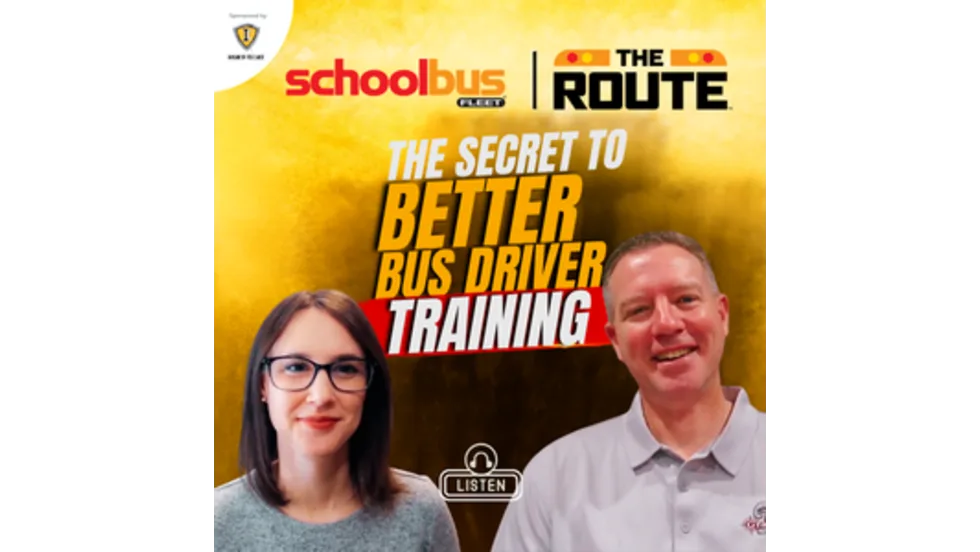
How to Build a Better Driver Training Program
Ready to boost up your school bus instructor training? Here’s how to pick the right talent and improve recruitment, retention, and safety.
Read More →
CALSTART and Forth Combine to Form Catalyst Mobility
The new name represents a renewed vision for the nonprofit focused on advancing clean, equitable, and affordable transportation solutions that move people and goods.
Read More →
What Makes a Great School Bus Driver Trainer?
Choosing the right school bus driver trainer takes more than experience. Learn six keys to selecting and developing trainers and evaluating program effectiveness.
Read More →

School Bus Contractors Expand Through New Deals, Acquisitions & Partnerships
STA's Canadian division acquires Ontario-based G&L Stevenson Transport while Durham School Services adds a new district contract in California, First Student adds a New Jersey contract, and Minnesota Coaches acquires Halo Transportation.
Read More →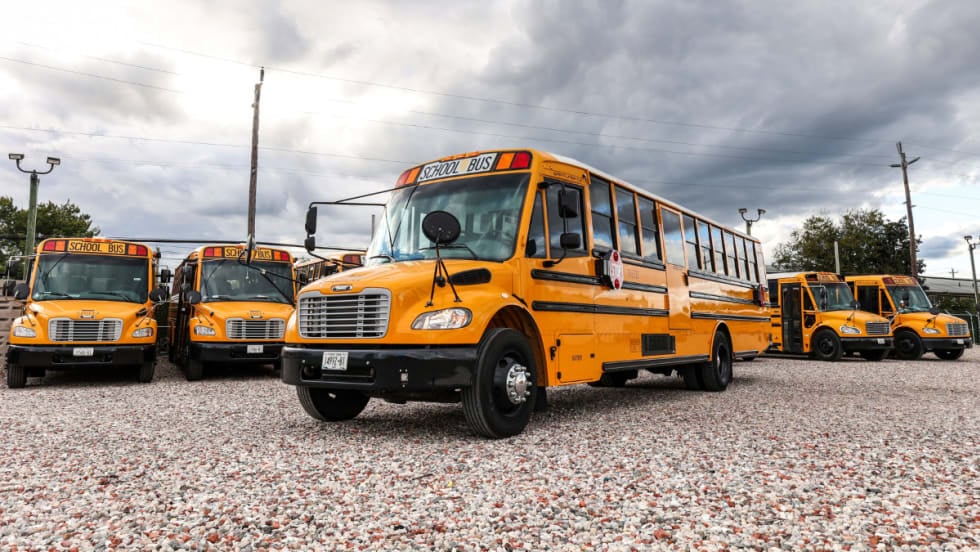
Logan Bus Company Rolls Out AI Phone System for NYC School Bus Families
A summer pilot found that AI agents could handle most routine calls, freeing up time for customer service staff to focus on emergencies and complex family concerns.
Read More →
From Intent to Impact: What I Learned About Leadership from TAPT
A Texas transportation supervisor shares lessons on self-awareness, accountability, managing stress and building trust — and why investing in leadership development matters at every stage of your career.
Read More →
NAPT Names 2026 Award Recipients, Hall of Fame Inductee
Who earned national recognition for their work in student transportation? This year, NAPT named five recipients of its 2026 awards for service, safety, and leadership, plus its newest Hall of Famer.
Read More →
2026 State of Student Transportation Report
Driver shortages. Rising costs. Growing safety expectations. More data, but not enough time to act on it. The 2026 State of Student Transportation Report reveals what transportation leaders say is putting the most pressure on their operations—and where they’re investing next. See how your priorities compare.
Read More →
How to De-Escalate an Angry Person: 5 Steps for Handling Workplace Conflict
What makes emotions run high, and how should you handle an angry colleague or parent? Follow these steps for staying calm, listening, showing empathy, and resolving conflict.
Read More →
What Readiness Looks Like This School Year
Learn about the challenges shaping the 2026–2027 school year, from persistent driver shortages and budget pressure to technology and readiness gaps. See how school districts are responding and adapting in Zonar’s 2026 Back-to-School Readiness Report.
Read More →