




Link oil-change intervals to engine hours, not mileage
When to change the oil in your school bus engine is a controversial question. The answer is an important one because it affects your operational costs and the environment.
When to change the oil in your school bus engine is a controversial question. The answer is an important one because it affects your operational costs and the environment. Stretch the intervals too far and you risk shortening the engine’s operating life and suffering the cost of early unscheduled overhauls. Shorten the interval too much and you increase your oil and labor expenses and are forced to dispose of more used oil. In today’s competitive market, engine manufacturers promote ever-increasing oil change intervals to make their products more attractive. These longer intervals are inviting to the school bus operator, but are they correct for the operating environment? Let’s look at some basics.
Mileage can be misleading
Most fleet operators judge maintenance needs on the basis of distance traveled and change the engine oil on the basis of miles. This is largely because our cars and most of our older trucks and buses have only that information available from the instrumentation. Some bus fleets choose to change oil by the calendar, such as every three months. Since the usage of individual buses in the fleet can vary widely, some may be changed much too early and others too late. All of these practices are inexact, at best. Determination of an oil-change interval for a particular engine involves several factors that influence the deterioration of the oil. Basically the oil condition, and its ability to lubricate and protect the engine, is deteriorated by oxidation of the oil base stock, contamination by fuel byproducts and consumption of the additives. The base stock oxidation occurs from exposure to the heat generated by the combustion process and the agitation and shear forces that it endures while being circulated through the crankcase and the bearings. The contamination results from soot and unburned fuel passing by the piston rings during the combustion process. Today’s oils contain many additives to enhance the performance and longevity of the oil package. This includes viscosity index improvers to control viscosity vs. temperature, antifoam agents, extreme pressure agents to combat scoring of moving surfaces, detergents to clean contaminants from the engine parts, dispersants to keep those contaminants in suspension in the oil, and more. These additives are consumed and broken down during operation of the engine. Each engine has a unique “characteristic” of how the oil breaks down with use. The change interval is affected by the engine deterioration characteristic, the amount of fuel consumed, the hours of operation, oil quality (current oil category is API CH-4), oil viscosity, the quantity of oil carried in the system and the quality and capacity of the filtration system.
Why hours make more sense
Engineers run extensive tests to determine the best change interval for each engine design and the interval is usually expressed in hours of operation. Once the hour interval is determined, most manufacturers translate that to vehicle miles by estimating the number of miles traveled per engine operation hour, usually based on expected average speeds of trucks. But, the school bus operation is different from most trucks. The school bus operating cycle involves primarily low speeds and a lot of idle time. In this situation the engine is operated a longer time per mile than the usual passenger car or truck, so the mileage figures broadcast for these applications can be misleading. It is better to service a bus on the basis of engine operating hours. The engine manufacturers publish their change interval recommendations in terms of hours, miles and sometimes amount of fuel consumed. Many of the current bus chassis have an engine hour meter available either as optional or standard equipment. The specifications for buses should call for an hour meter. Of course, older buses in the fleet can be fitted with an hour meter. Better than the hour meter is the service reminder system. Some of the engine electronic control systems offered today have a feature that can “count” the vehicle miles, engine operating hours and fuel consumed and can be programmed to turn on a “change oil” lamp when the selected change interval is reached. The drivers and the maintenance personnel can observe this light and do the maintenance at closely controlled intervals.
Oil analysis fine-tunes intervals
If you want to go one step further in sophistication, oil analysis can be used to determine the interval that is right for your particular fleet. Select several chassis for the test, and at the time of your normal change interval, submit a sample to a reputable oil analysis laboratory to determine the oil’s condition. Adjust the next interval up or down as indicated by the analysis report and analyze again. Continue this process until the optimum interval is determined. Regularly scheduled oil analysis can be discontinued once the interval is determined so that the ongoing cost can be avoided. An occasional check to be sure your practice is still valid is advisable. Be careful to not be distracted by messages from the laboratory about the condition of the engine! Such statements as “excessive wear metals are found” can be interpreted to mean that the engine needs repair. Remember that each engine model has its own wear characteristics and the specific content of wear metals that is a warning for one engine may not be serious for another. Use of oil analysis for monitoring of engine condition and the need for repair has to be done on a continuing basis for each engine throughout its life cycle, with the decision to repair based on long-term trends in the analysis results. Spot checking is not a good method to determine engine condition. Here, we just want to determine the condition of the oil itself. In summary, the best course of action for the school bus operator is to change the engine oil on the basis of operating hours. Number of hours can be based on the engine manufacturer’s recommendation or by oil analysis. However you determine the interval, using engine hours is best.
Dan Herman is bus platform marketing manager for International Truck and Engine Corp. in Chicago.
More Maintenance
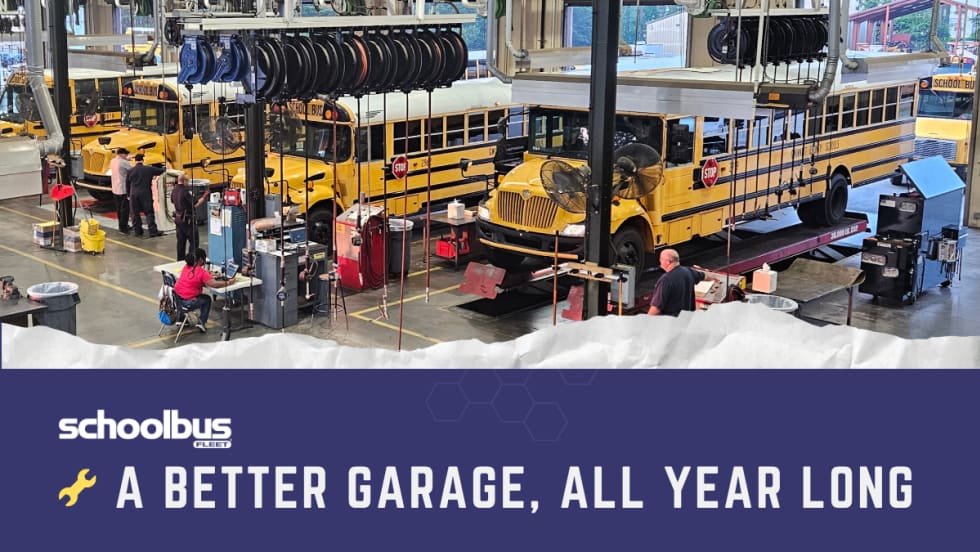
Tips for Ensuring School Bus Garages Are Safe and Warm Year-Round
Cold maintenance bays and rising heating costs? Learn how school bus garages can improve comfort with targeted heating, better airflow, and winter preparation.
Read More →
ASE Highlights School Bus Technician Certification Requirements
ASE is encouraging school bus maintenance professionals to maintain their certifications, highlighting seven specialized tests and five-year renewal requirements.
Read More →
International Adds E-Commerce Capabilities to Fleetrite.com
IC Bus customers can now browse, buy, and track shipments for more than 400,000 aftermarket parts online.
Read More →
The Most Expensive Thing You Do Before Selling a School Bus: Wait
When should you sell an aging school bus? Learn how maintenance, mileage, corrosion, specifications, and timing can affect resale value long before the auction.
Read More →
The Evolution of DEF Header Technology: What School Bus Operations Should Know at Replacement Time
See what school bus fleets should consider when replacing DEF headers to improve reliability, reduce repeat repairs, and control maintenance costs.
Read More →
The Essential Guide to School Bus Maintenance and Student Safety
Your district's buses carry students to school every day. This guide shows how predictive maintenance powered by fleet data helps keep buses reliable, drivers accountable and students safer from the first bell to the last stop.
Read More →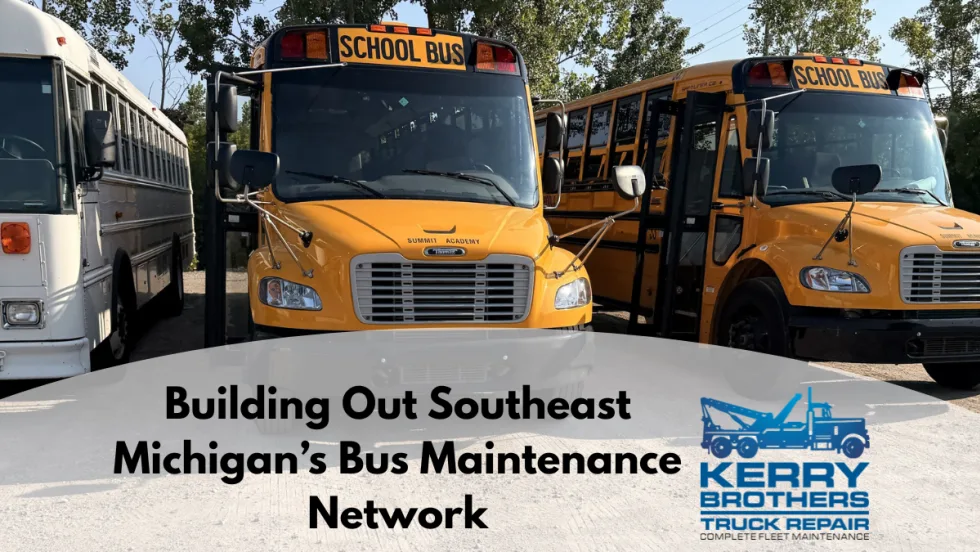
Kerry Brothers Grows Michigan School Bus Repair Network
The acquisition of Downriver Truck and Bus expands Kerry Brothers’ school bus maintenance footprint across southeast Michigan, adding repair capacity, diagnostic resources, and state inspection support.
Read More →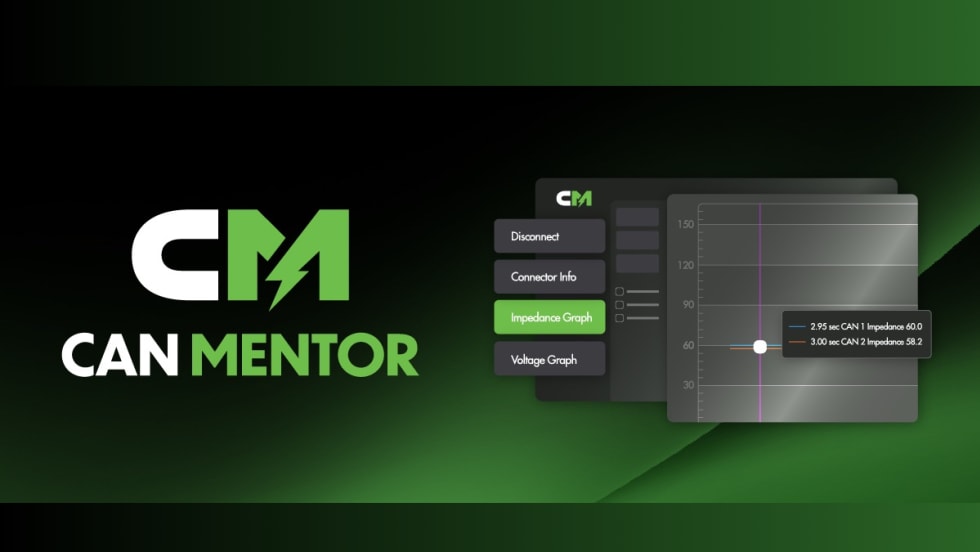
Noregon Introduces CAN Bus Diagnostic Tool, Expands JPRO Features
CAN Mentor and the latest JPRO update aim to simplify vehicle network diagnostics and improve repair efficiency for technicians of all experience levels.
Read More →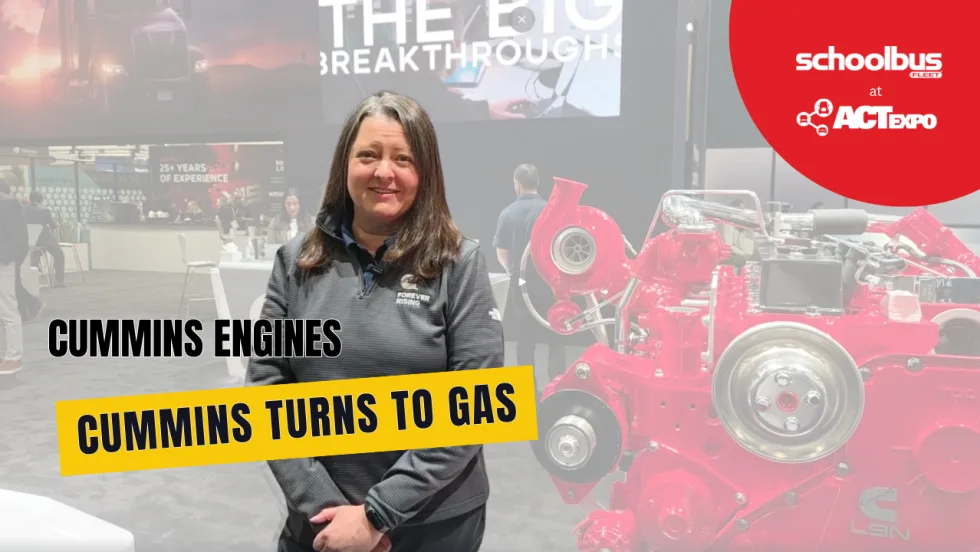
Cummins on Smarter, Simpler Engine Innovation
Cummins discusses its first-ever gasoline engine for school buses, EPA 2027, and why bus fleets still want durable, simpler internal combustion options.
Read More →
Report: 72% of Diesel School Buses Now Use Advanced Low-Emission Engines
New data shows advanced low-emission diesel technology continues expanding across school bus fleets, even as electric bus adoption gains momentum.
Read More →