




Lap/shoulder belt system discussed at TRB meeting
WASHINGTON, D.C. — Pupil transportation was among the topics discussed at the 85th meeting of the Transportation Research Board (TRB), held Jan. 22-26 in the nation’s capital.

WASHINGTON, D.C. — Pupil transportation was among the topics discussed at the 85th meeting of the Transportation Research Board (TRB), held Jan. 22-26 in the nation’s capital.
The meeting attracted about 9,000 transportation professionals from around the world — policy makers, administrators, practitioners, researchers and representatives of government, industry and academic institutions. The TRB annual meeting program covered all transportation modes, with more than 2,600 presentations in 500 sessions.
School transportation presentations and poster session participation was coordinated by a Joint Subcommittee on School Transportation, chaired by Jeff Tsai with the Institute for Transportation Research and Education at North Carolina State University.
Describing the rationale for forming the subcommittee, Tsai said there “appears to be a national shift from school transportation modes that are safe and healthy, such as school bus, walking and bicycling, to modes that are causing operational and safety problems in and around school areas, namely private cars driven by parents and, particularly, teenagers.”
Derek Graham, state pupil transportation director in North Carolina, provided an overview on the status of passenger protection on school buses. Graham traced the requirements for seat belts on buses in New York, New Jersey, Florida and California and explained the results of federal crash testing that showed potential benefits for three-point lap/shoulder restraints.
Graham focused on a North Carolina pilot project implementing 13 school buses with lap/shoulder belts. He shared the following key results:
Even with lap/shoulder belts, students do not always stay in the seating compartment.
Younger students are much more willing to wear the belts.
Capacity issues are huge. Three/two seating has shown to be effectively reduced to two/one for high school students, reducing high school capacity from 48 to 36. Two/two seating maintains 48 capacity for high school students but reduces elementary seating by a third, from 72 to 48.
The same session, titled “Emerging Issues in School Transportation,” also contained an overview of emergency preparedness involving school buses.
Charlie Hood, Florida’s state pupil transportation director, described the many ways that school transportation is involved in a state of emergency. Drawing from his experience in planning for and responding to hurricanes, Hood highlighted operational issues such as securing fuel, locating available drivers and working closely with emergency management officials.
Hood also focused on security (school buses are a tempting target for terrorists), noting that security as a critical issue was addressed at the 14th National Congress on School Transportation last May. Focusing on a three-stage approach for dealing with a school bus-related emergency (planning, survival and recovery), Hood also shared a resource book for drivers developed by the Florida Department of Education: “Critical Incident Procedures.”
More Safety
School's Back. Here's What Happened to Traffic, Speeding & Distraction
What happens to traffic when school resumes? New data analysis examines changes in distracted driving, congestion, and speeding around schools.
Read More →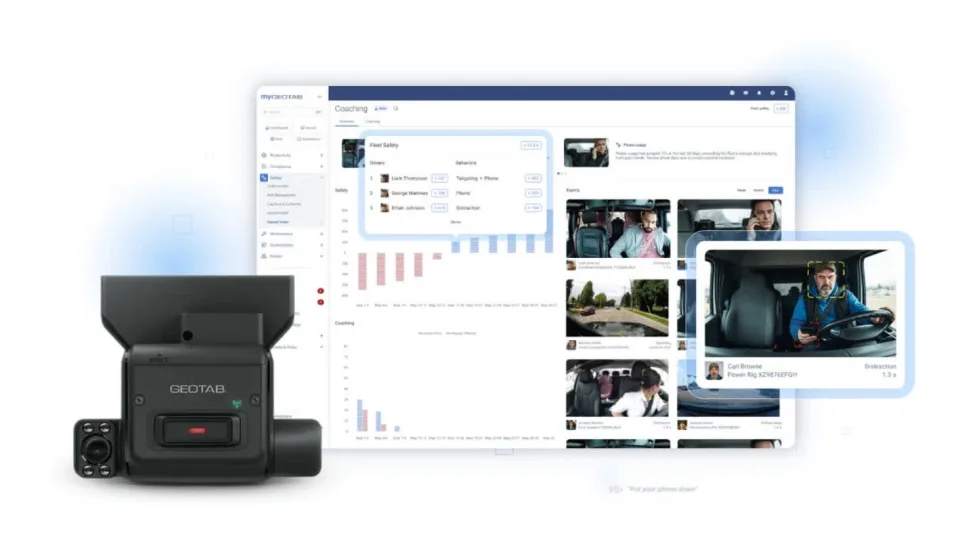
Geotab Expands Fleet Safety Tools With Video Coaching, Risk Insights
New safety and video capabilities aim to help fleet managers assess risk, support drivers, and take targeted action through video coaching, red-light violation detection, and more.
Read More →
How to Build a Better School Bus Driver Training Program
Is it time to strengthen your driver training? Here’s how to pick the right talent and improve recruitment, retention, and safety. This video is brought to you by IC Bus.
Read More →

Recent School Bus Accidents Leave 2 Dead, 2 Injured
Four school bus crashes in Florida, Illinois, and Georgia highlight risks in transportation lots, at bus stops, and during student loading and unloading.
Read More →
When Every Second Matters, Clarity Keeps Routes Moving
From routine delays to urgent incidents, strong communication practices help drivers, dispatchers, schools, and families respond with confidence.
Read More →
What Happens When a School Bus Catches Fire — and What Can Help
School bus fires are rare but can be devastating. Learn how advances in fire suppression and asset protection help fleets detect fires earlier, reduce damage, and improve safety.
Read More →
Geotab Launches Tool to Help Fleets Investigate Road Incidents
Geotab Investigations combines telematics data, video, documents, and other evidence to help fleets reconstruct incidents, resolve claims, and determine what happened.
Read More →
Texas Sixth Grader Wins 2026 National School Bus Safety Poster Contest
Sai Darshana Yekolu of Moseley Middle School in Prosper, Texas, was named the newest winner for her artwork, bringing the theme of “Safe Rides, Everyday Heroes” to life.
Read More →
Doing More With Less: How Transportation Directors Can Prioritize Safety Amid Budget Uncertainty
With diesel prices soaring and nearly one-third of transportation directors expecting budget cuts, maintaining student safety has never been more challenging. Download this guide to learn how leading districts are prioritizing risk, funding critical safety technology, and building stronger budget cases with data.
Read More →
Walton County Schools Adds Gatekeeper Stop-Arm Enforcement System
The Florida district will deploy Gatekeeper’s updated Student Protector technology, which now incorporates AI to improve video evidence.
Read More →