



Industry praises NHTSA report
The National Highway Traffic Safety Administration's (NHTSA) report to Congress on the improvement of occupant protection on school buses has generate...

The National Highway Traffic Safety Administration's (NHTSA) report to Congress on the improvement of occupant protection on school buses has generated praise from the school transportation industry.
The National Association for Pupil Transportation (NAPT) characterized the report's recommendations as a "sensible course of action." Meanwhile, the National School Transportation Association (NSTA), which represents school bus contractors, stated it was "gratified" that the research confirmed that compartmentalization works extremely well to protect passengers.
The report, issued to Congress on May 7, touts school bus transportation as one of the safest forms of surface transportation and credits compartmentalization.
However, the report does pinpoint three possible changes to existing federal safety regulations: increasing the required seat back height from 20 to 24 inches (to reduce the potential for passenger override in crashes), developing standardized test procedures for voluntarily installed lap/shoulder belt systems and requiring small buses, under 10,000 pounds, to have lap/shoulder belt systems. Currently, small buses are equipped with lap belts.
In the report, NHTSA says the addition and proper use of lap/shoulder belt systems could provide some safety benefits to occupants of large school buses, but added that the benefits could be offset by misuse of the belts, which could result in serious injuries. NHTSA also points out that lap/shoulder belt systems would reduce the capacity and increase the cost of buses, potentially causing more children to find alternative — and more hazardous — ways to get to and from school.
The report also discusses the use of lap belts, which have been mandatory in all new school buses in New York and New Jersey for several years. Researchers concluded that lap belts on large buses have little, if any, benefit in reducing serious-to-fatal injuries in severe frontal crashes. In small buses, increased risks associated with the use of lap belts are more than offset by preventing ejections, according to the report.
Both the NAPT and the NSTA statements expressed satisfaction that the report, which was four years in the making, provides clear guidance on the issue of lap belts. "We hope [the report] will put an end to the long-standing lap belt debate," said the NSTA statement.
In Florida, which has required all new school buses purchased after Dec. 31, 2000, to be equipped with lap belts, the report's negative assessment of lap belts could prompt a change of heart.
Charlie Hood, Florida's state pupil transportation director, said there's no way to predict how lawmakers will respond to the report, "but it wouldn't surprise me if there's interest from the school districts in finding legislative sponsors to revise [the lap belt requirement]."
In California, the report will not affect a statute to require lap/shoulder belts at passenger seating positions on all small school buses purchased or leased after July 1, 2004, and on all large buses purchased after July 1, 2005.
Only a specific prohibition of lap/shoulder restraints by NHTSA could derail the statute, according to John Green, state pupil transportation director in California. "So unless NHTSA changes its mind during the rule-making process, California will be moving forward with requiring lap/shoulder belts in school buses," Green said.
International unveils new company logo
A new school bus company and brand identity have been unveiled by International Truck and Engine Corp. in Warrenville, Ill. The new company, called IC Corp., consolidates International' bus vehicle center and its subsidiary, American Transportation Corp. in Conway, Ark.
The new IC Corp. and IC brand represent the company's line of integrated school bus products: the conventional bus (CE), rear-engine bus (RE) and front-engine bus (FE). With the new identity, International created a new IC logo, a yellow and black shield.
The new company and branding initiative was announced at the annual bus dealer meeting, held in late April in Kiawah Island, S.C. "The launch of the IC brand reflects our focus on the school bus customer," said Tom Cellitti, vice president and general manager of International's bus vehicle center.
More Safety
FMCSA Names New Chief Safety Officer: What School Bus Operators Should Know
Steve Dowling is set to lead the federal agency's efforts to advance commercial motor vehicle safety and reduce crashes, fatalities, and injuries on the nation's roadways.
Read More →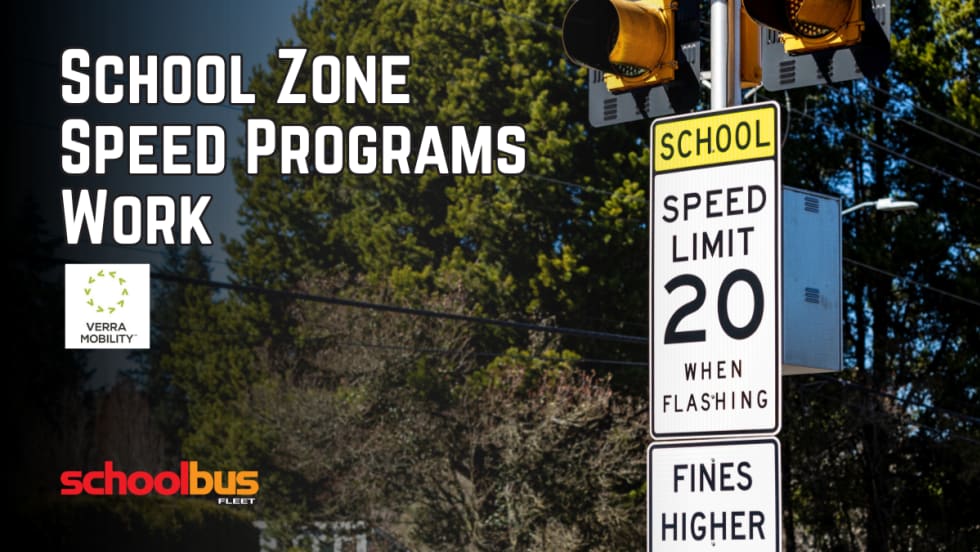
New Study Finds School Zone Speed Safety Cameras Cut Speeding Violations 97%
A Florida university's research demonstrates that Verra Mobility's automated enforcement changes driver behavior and significantly improves school zone safety.
Read More →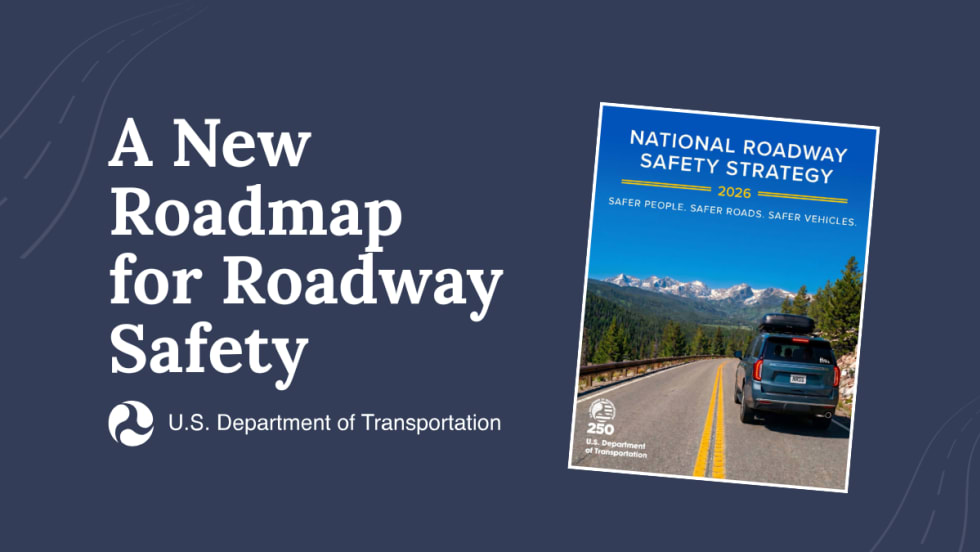
What Changed in DOT’s New National Roadway Safety Strategy?
The federal agency's new plan shifts its focus to safer people, roads and vehicles, with a new three-pronged approach instead of five. One outlined action even addresses a key industry concern around illegal school bus passing.
Read More →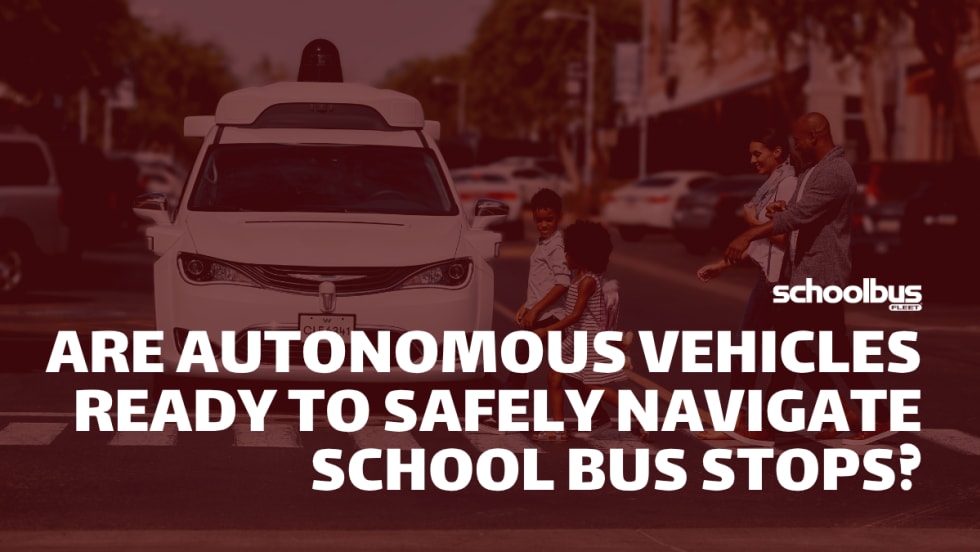
Are Autonomous Vehicles Ready to Safely Navigate School Bus Stops?
NHTSA is accelerating autonomous vehicle deployment through new safety standards and commercial approvals. See why school transportation leaders are watching.
Read More →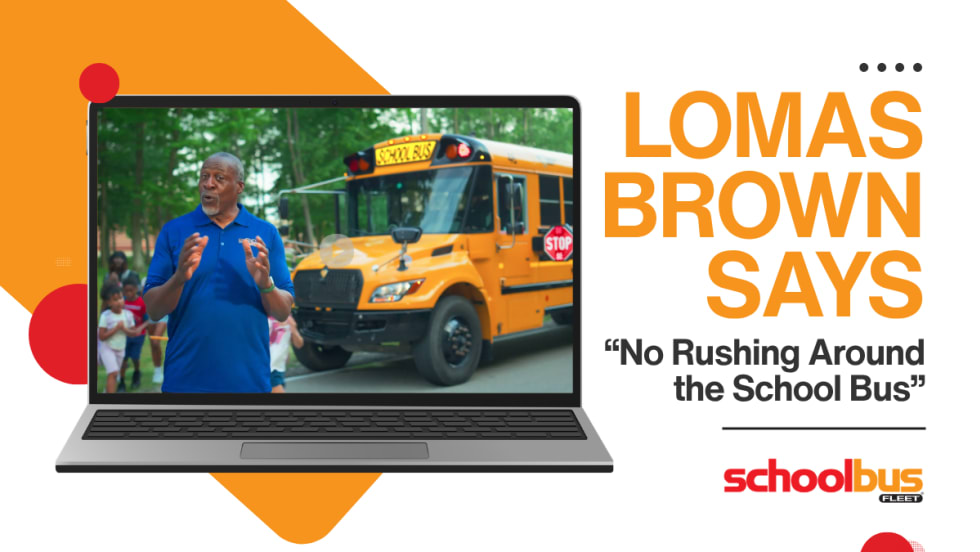
NFL Star Lomas Brown Kicks Off New Illegal School Bus Passing PSA
Just in time for the back-to-school season, the former Detroit Lions offensive tackle took time to record a video encouraging motorists to slow down around school buses.
Read More →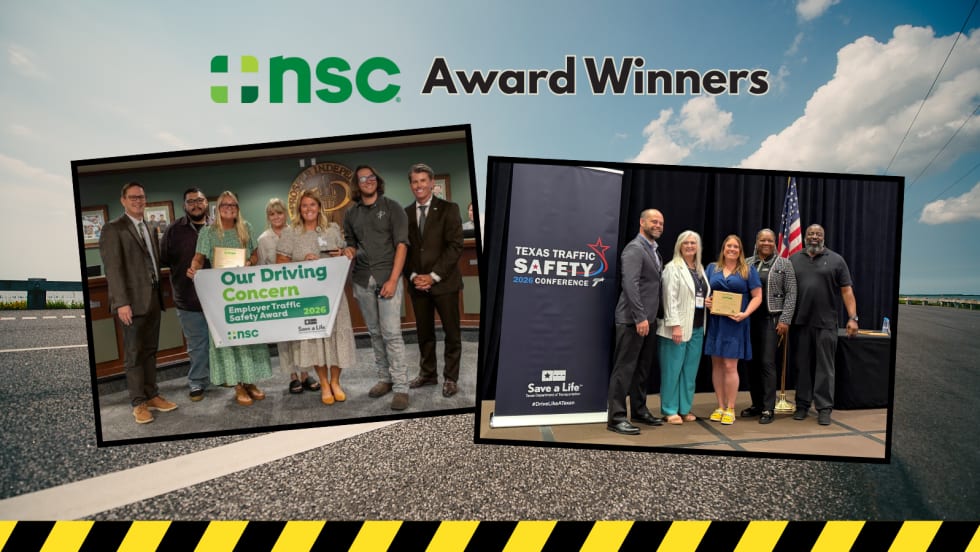
How Two Texas Districts Built Award-Winning Safety Programs
Learn how Prosper ISD and Rockwall ISD earned National Safety Council honors through hands-on training, safety culture, and strategies that reduced transportation incidents.
Read More →
NHTSA Releases 10-Year Review of Fatal School Bus Crashes
The latest federal analysis reinforces the safety of school buses while identifying where school-age pedestrians and other motorists remain most at risk.
Read More →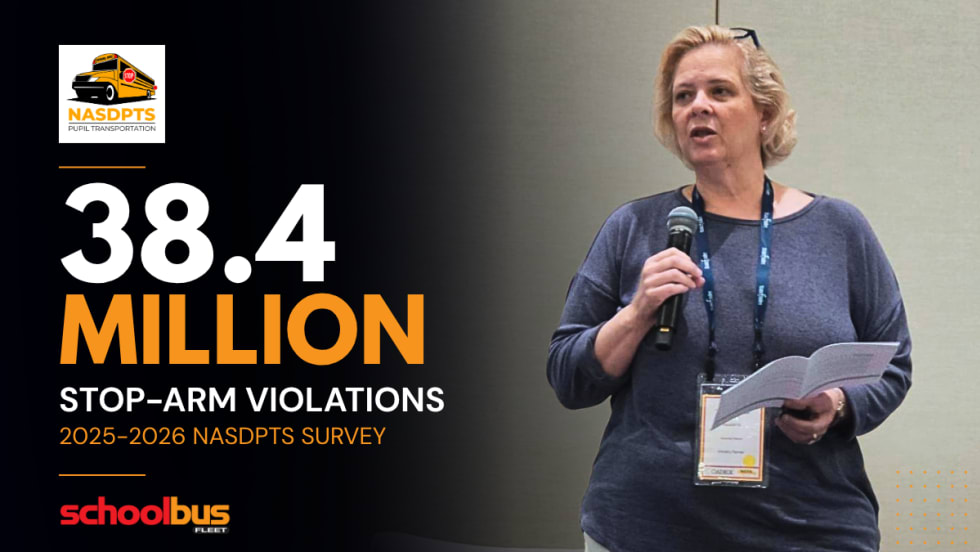
2026 NASDPTS Survey: Data Shows Further Reduction of Illegal Passing
New data is in! School bus stop-arm passings are down to 38.4 million violations per year, about a 2.3% decrease from last school year — but passings on the right side of the bus are higher than ever.
Read More →
Another School Bus Fatality Reported in Monsey, New York
A 7-year-old girl died after being struck by a school bus in Rockland County, New York while crossing the street. Here's what we know.
Read More →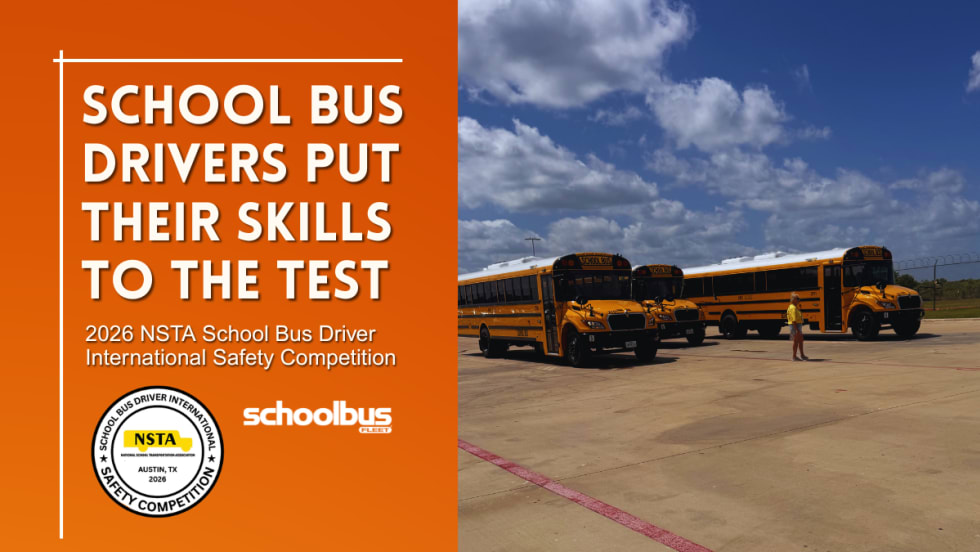
NSTA Announces 2026 School Bus Driver International Safety Competition Winners
Drivers from across the U.S. and Canada showcased their safety and driving skills, with two defending champions successfully retaining their titles.
Read More →